“What if we don’t make it?”
“What if we do?”
The zombie genre has become mainline slop to me. It is a concept that, for lack of a better phrase, feels beaten to death. Now and again, it returns only for the same storyline and familiar tropes to trot out like some mutated pony at an equestrian show. I’ll confess I’ve turned my nose up to the recent offering, already knowing what I’ll be receiving. Fortunately, I did not take this attitude towards Didn’t Die. In the same way that We Bury The Dead did, this zombie film features an actual living brain and a thoughtful story that is less about the apocalypse and more about hope.
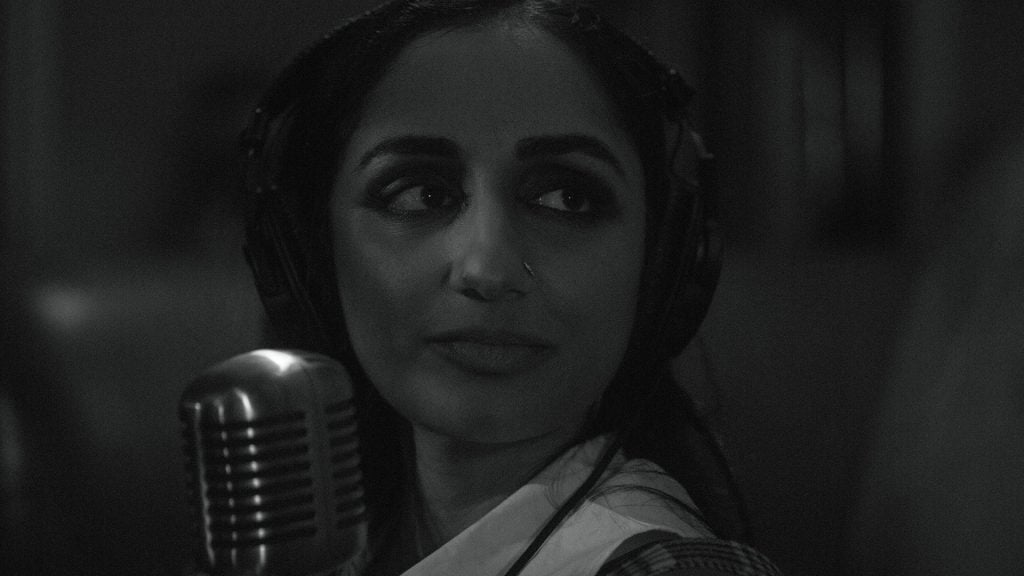
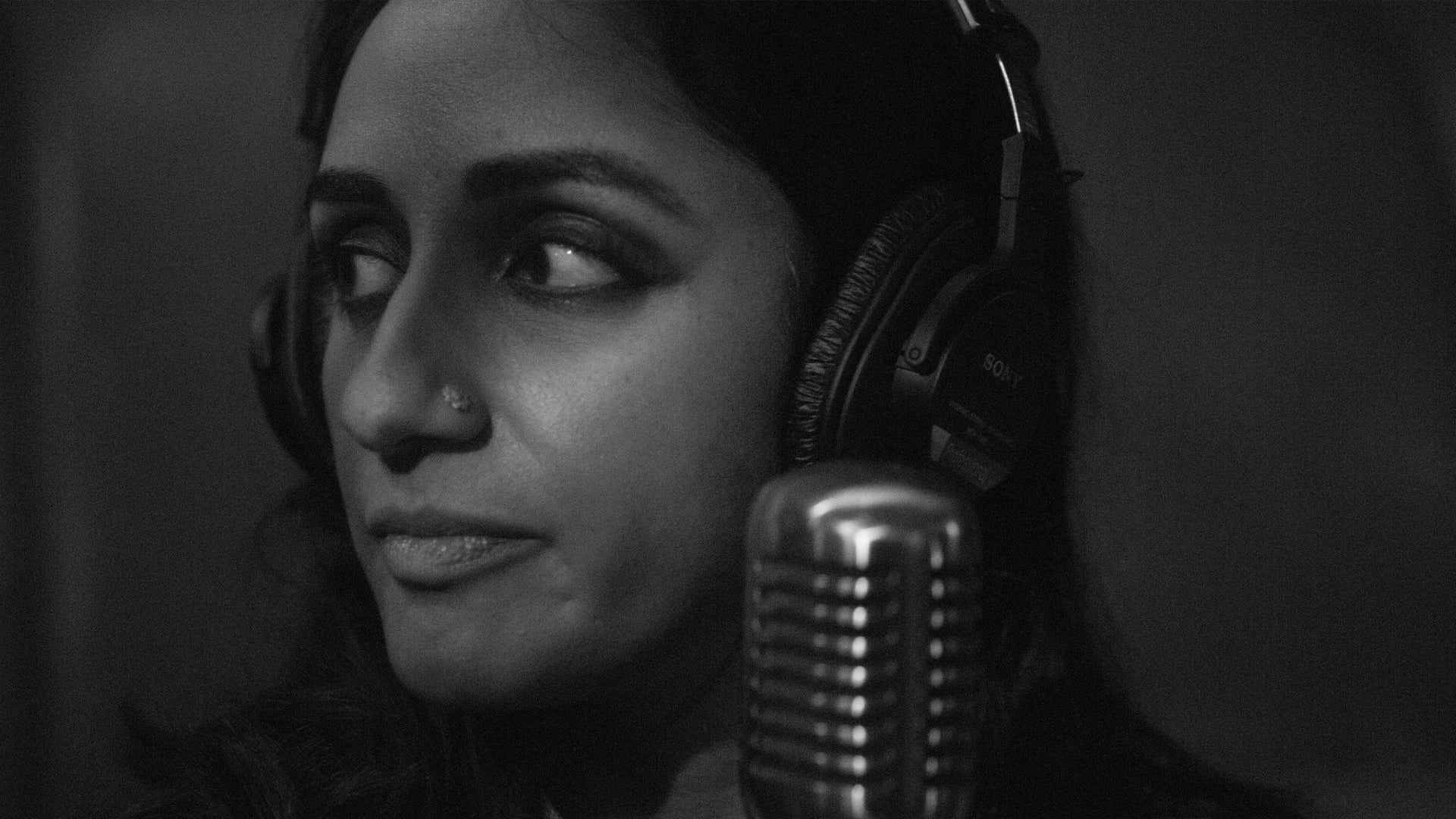
At the start, in a not-so-distant future, we meet Vinita (Kiran Deol), a young podcaster struggling to maintain her audience amid the ongoing zombie apocalypse. Despite the harrowing surroundings, Vinita keeps at her recordings, giving her a sense of purpose and welcome reprieve from the apocalyptic hellscape that is the world. Everything changes, however, when Vincent (George Basil), her ex-boyfriend, arrives on the scene with an orphan baby. Her priorities shift back towards full-on survival, Vinita, George, and her family must contend with the new stakes as the zombies begin to mutate, thus becoming more powerful.
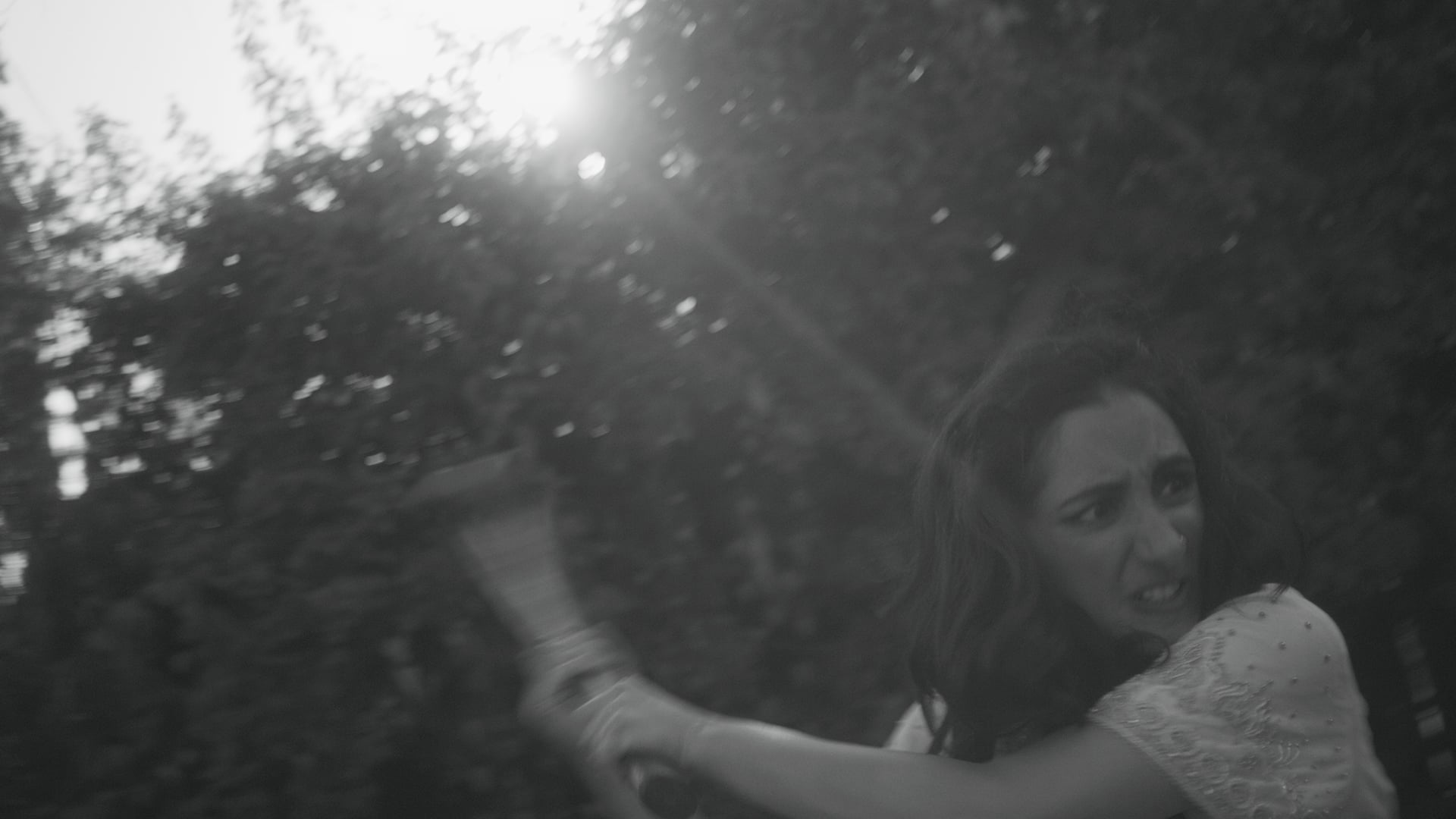
Now, some expecting the usual zombie flair will likely be upset by the lack of massive carnage. Yes, there are moments of intensity and high-stakes thrills. Didn’t Die is more interested in giving us something new. Sure, there are the usual settings, including a rural American landscape and a ragtag band of survivors. The focus here is less on fighting off the mutated undead and more on coping and enduring. The usual white-knuckle survival escapades take a back seat this round.
Part of that unique focus stems from Vinita’s character. The setup of her as a podcast host offers an exciting story thread. We can achieve the exposition through the framing presented in the episodes. The framing also draws on real-world parallels to what happened in the wake of the pandemic. Podcasts suddenly became the norm, and everyone seemed to have one. (Yours truly started one because of the pandemic.) Vinita becomes a composite of real-world coping strategies and the basic desire for a return to normalcy.
So much of this story revolves around the podcast. Inso, while the zombie tropes can appear from time to time, much of the framing becomes about dealing with death and the aftermath of grief. As is the case with many of these stories, much of it focuses on the immediate aftermath of the apocalypse. Many even crescendo into a climactic clash between the biters and the living. Here, the focus is less on the zombie clash and more on those living day to day.
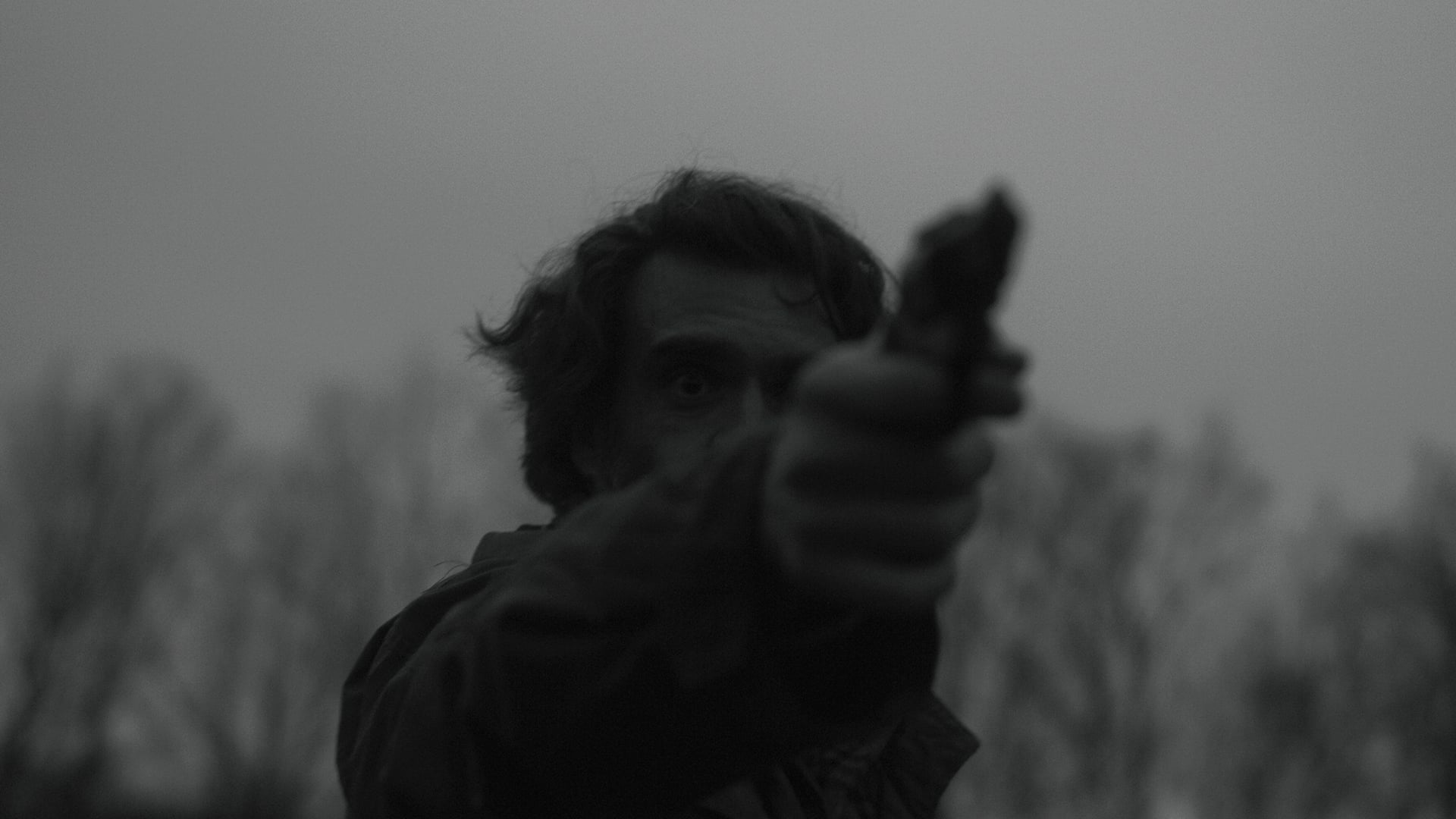
In ways that feel reminiscent and are direct homages to George Romero’s Night of the Living Dead, the film here puts characters and characterization first. There are more than enough subtle references to the classic zombie film, including one character being named Barbara (Katie McCuen). However, the most striking parallel to Romero’s seminal zombie film is this movie’s choice to film almost exclusively in black and white.
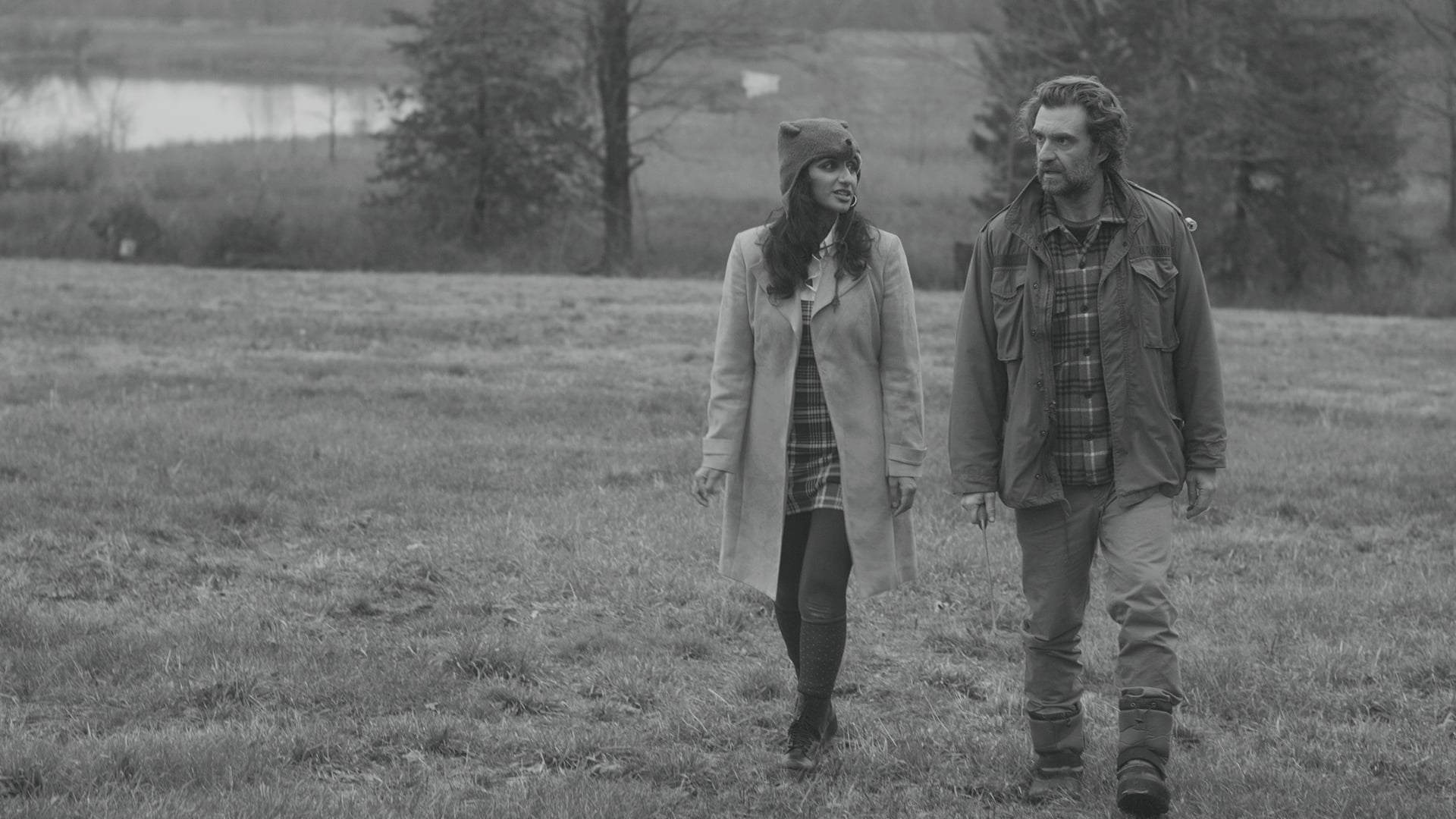
Call it nostalgia for the classics, but a zombie film looks infinitely better in black and white. There is a creepiness that cannot exist in color. Here, the callback to Romero is less full-on nostalgia bait and more an emulation of what arguably works best in these types of movies. Cinematographer Paul Gleason embraces a guerrilla-style camerawork. It complements the film’s indie vibes and aesthetic while also paying homage to Romero’s influential work.
Several moments in the film are full-on heartbreakers. Even though zombie attacks have been done ad nauseam in countless films, here the result feels more intimate. There is a subplot involving Vinita and her brother Rish (Vishal Vijayakumar) that adds clever emotional wrinkles to the story.
Now, audiences expecting a more grisly affair will undoubtedly be put off by Didn’t Die. While those moments arrive when the story calls for it, this is not a 28 Years Later. Ironically, this film is closer to Night of the Living Dead in part because it focuses less on the zombie action and more on the psychological effects. While Didn’t Die does not eclipse the classic in any way, shape, or form, it does honor the legacy by prioritizing characters and situational horror over mutated spectacle.
Ultimately, those looking for a break from the usual zombie fodder will find a lot to enjoy with Didn’t Die. Clocking in at ninety minutes, it delivers a well-paced, compelling story, full of characters who care, and a refreshing, unique hook.
Didn’t Die is now available On Demand courtesy of Level 33 Entertainment.
Before we let you go, we have officially launched our merch store! Check out all of our amazing apparel when you click here and type in GVN15 at checkout for a 15% discount!
For major deals and money off on Amazon, make sure to use our affiliate link! If you are purchasing any of the latest and best in physical media at MovieZyng, you can support us using our affiliate link.
While Didn't Die does not eclipse the classic in any way, shape, or form, it does honor the legacy by prioritizing characters and situational horror over mutated spectacle.

Writing & podcasting, for the love of movies.
His Letterboxd Favorites: The Dark Knight, Halloween, Jaws & Revenge of The Sith.