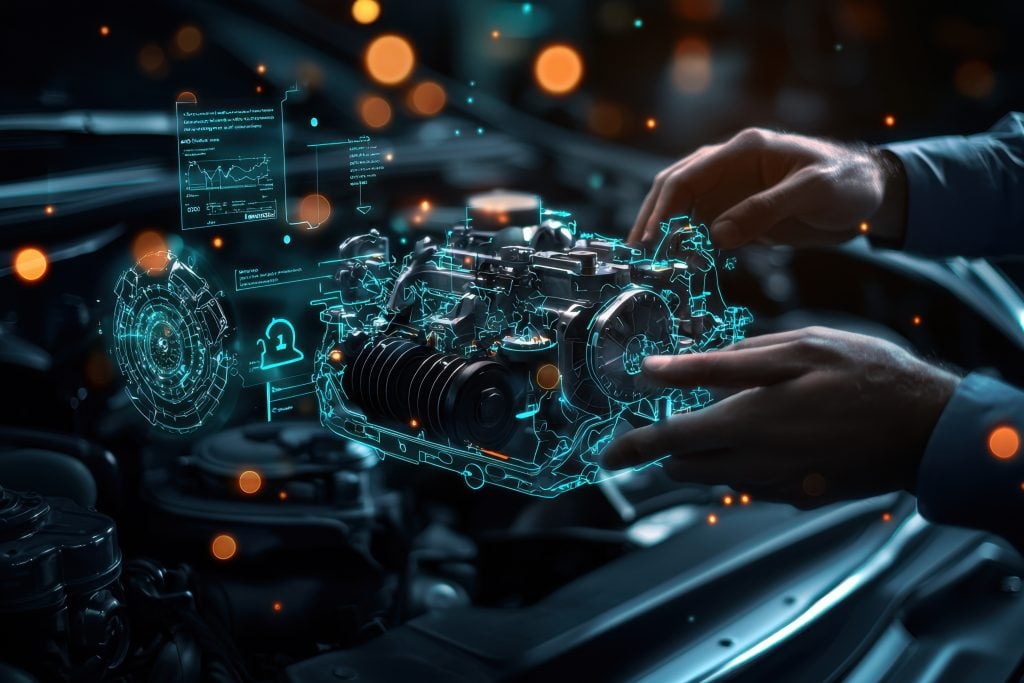
Engine efficiency has become one of the most important priorities in modern automotive engineering. Drivers increasingly expect vehicles to deliver strong performance while using fuel more effectively and reducing unnecessary energy loss. Manufacturers respond to these expectations through innovations in engine design, fuel management, turbocharging, hybrid systems, and digital performance monitoring. Ford has developed several technologies aimed at improving how engines generate power, manage fuel consumption, and adapt to changing driving conditions. Whether researching powertrain innovations independently or reviewing vehicle options through resources such as Manchester, VT car dealerships, understanding Ford’s engine efficiency technologies can provide insight into how modern engines balance capability with resource management.
The Evolution of Engine Efficiency in Modern Vehicles
Engine efficiency refers to how effectively an engine converts fuel energy into usable mechanical power. Traditional engines often lost significant amounts of energy through heat, friction, and incomplete combustion processes.
Modern engineering aims to reduce these inefficiencies while maintaining reliable performance and everyday drivability.
Ford’s approach to engine development reflects broader automotive trends that focus on maximizing output without relying solely on larger engine displacement. Instead of increasing size to generate more power, engineers increasingly emphasize smarter combustion management, improved airflow, lightweight construction, and advanced electronic controls.
This evolution demonstrates how efficiency improvements are no longer limited to fuel economy concerns alone. They also influence emissions management, performance consistency, durability, and overall vehicle responsiveness.
EcoBoost Technology and Turbocharged Efficiency
One of Ford’s most widely recognized engine technologies is EcoBoost.
EcoBoost engines combine turbocharging, direct fuel injection, and advanced control systems to improve the relationship between performance and efficiency.
Traditional engine design often associated greater power output with larger engines. Turbocharging challenges that assumption by using exhaust gases to power a turbine that compresses incoming air.
Compressed air allows more oxygen to enter the combustion chamber, supporting stronger combustion performance without necessarily increasing engine size.
Ford’s EcoBoost strategy emphasizes smaller displacement engines capable of delivering performance characteristics traditionally associated with larger engines.
This approach contributes to improved efficiency because smaller engines may consume less fuel during certain operating conditions while still maintaining strong acceleration and torque delivery when needed.
Direct fuel injection further supports efficiency by delivering fuel more precisely into the combustion chamber.
More accurate fuel delivery can improve combustion quality, optimize energy use, and help reduce unnecessary fuel waste.
The combination of turbocharging and direct injection illustrates how multiple technologies work together to influence engine behavior.
Direct Injection and Fuel Delivery Precision
Fuel delivery plays a major role in determining engine efficiency.
Older fuel systems often relied on less precise fuel distribution methods, which could limit combustion control and operational flexibility.
Ford incorporates direct injection technology in various engine platforms to improve precision in fuel management.
Rather than introducing fuel earlier in the intake process, direct injection systems deliver fuel directly into the combustion chamber.
This approach allows greater control over fuel timing, fuel quantity, and combustion conditions.
Improved fuel atomization can enhance combustion efficiency by creating a more controlled air-fuel mixture.
More efficient combustion may contribute to several performance benefits, including improved responsiveness, stronger power delivery, and better energy utilization.
Electronic engine management systems continuously adjust operating conditions according to variables such as throttle input, engine temperature, speed, and load requirements.
The ability to monitor and modify these conditions dynamically is an important component of modern engine efficiency engineering.
Variable Valve Timing and Airflow Optimization
Air management is another critical factor influencing engine efficiency.
Combustion engines depend on precise control of air entering and leaving the combustion chamber. Timing errors or inefficient airflow patterns can reduce performance and increase fuel consumption.
Ford uses variable valve timing technology to improve airflow management across different driving situations.
Valve timing controls when intake and exhaust valves open and close during engine operation.
Traditional fixed valve timing systems operate according to predetermined mechanical settings. While functional, these systems may not provide optimal performance across the full range of driving conditions.
Variable valve timing introduces adaptability by allowing valve operation to adjust according to current engine demands.
At lower speeds, timing adjustments may support smoother efficiency-focused operation.
Under higher loads or performance-oriented conditions, the system can optimize airflow differently to support stronger output.
This adaptability allows the engine to respond more effectively to changing operational requirements.
The result is a more flexible balance between efficiency, power generation, and drivability.
Lightweight Materials and Friction Reduction Technology
Efficiency improvements are not limited to combustion processes alone.
Mechanical resistance inside the engine also influences how effectively power is produced and transferred.
Ford incorporates engineering strategies aimed at reducing friction and minimizing unnecessary mechanical losses.
Internal engine components naturally generate resistance through movement, contact surfaces, and heat production.
Reducing friction helps preserve usable energy that would otherwise be lost inside the system.
Engine design improvements may involve specialized coatings, lightweight materials, improved lubricants, and revised component geometry.
Lightweight construction contributes to efficiency by reducing the amount of energy required for internal operation and vehicle movement.
Material selection has become increasingly important in modern engine development because stronger and lighter materials can support durability while limiting unnecessary mass.
These design choices demonstrate how efficiency depends not only on fuel combustion but also on broader engineering optimization throughout the powertrain system.
Hybrid Technology and Electrified Efficiency Solutions
Engine efficiency increasingly intersects with electrification technology.
Ford has expanded its use of hybrid systems to improve how vehicles manage power generation and energy consumption.
Hybrid systems combine conventional internal combustion engines with electric motor assistance.
Rather than relying exclusively on gasoline-powered operation, hybrid vehicles distribute workload between mechanical and electrical components according to driving conditions.
Electric motors can support low-speed operation, acceleration assistance, and energy recovery strategies.
One important hybrid feature is regenerative braking.
During conventional braking, kinetic energy is typically lost as heat.
Regenerative systems attempt to capture some of this energy and redirect it toward battery charging.
This process improves overall energy efficiency by reusing power that would otherwise be wasted.
Hybrid technology illustrates how engine efficiency increasingly depends on integrated power management rather than isolated engine performance alone.
Smart Transmission Systems and Power Delivery Management
Transmission technology plays an important supporting role in engine efficiency.
Even highly efficient engines depend on effective power delivery systems to translate engine output into practical vehicle performance.
Ford uses advanced transmission designs intended to optimize gear selection, power transfer, and operational efficiency.
Modern transmissions rely heavily on electronic control systems that monitor driving conditions and engine behavior.
Rather than following fixed mechanical patterns alone, these systems can adjust shift timing and gear selection dynamically.
Proper gear management helps engines operate within more efficient performance ranges.
When engines run closer to their optimal operating zones, fuel use and power delivery can become more balanced.
Transmission efficiency therefore contributes directly to overall vehicle performance and resource management.
The integration between engines and digitally controlled transmissions reflects the increasing complexity of modern powertrain engineering.
Digital Monitoring and Intelligent Engine Management
Modern engines depend extensively on digital technology.
Electronic control units continuously collect data from sensors positioned throughout the vehicle and powertrain system.
These sensors monitor variables such as temperature, airflow, pressure, throttle position, combustion conditions, and emissions performance.
Ford’s engine management systems use this information to make real-time operating adjustments.
Rather than functioning as static mechanical devices, modern engines behave as adaptive systems capable of responding dynamically to changing circumstances.
Intelligent monitoring supports efficiency because operating conditions can be optimized moment by moment.
For example, the system may modify ignition timing, fuel delivery, airflow behavior, or transmission coordination according to driving requirements.
This level of digital oversight contributes to smoother performance, improved responsiveness, and more refined energy management.
As automotive software continues advancing, digital engine intelligence will likely remain central to future efficiency improvements.
The Future Direction of Engine Efficiency Technology
The future of engine efficiency involves continued integration between mechanical engineering, software intelligence, electrification, and energy management systems.
Ford’s efficiency technologies reflect a broader industry transition toward smarter and more adaptable powertrain solutions.
Turbocharging, direct injection, variable valve timing, hybridization, and intelligent digital controls represent important milestones within this evolution.
Future developments may place greater emphasis on expanded electrification, predictive software management, advanced materials, and increasingly connected powertrain ecosystems.
The ongoing goal remains consistent: delivering reliable performance while improving how energy is generated, controlled, and utilized.
Conclusion
Ford engine efficiency technology represents a combination of engineering strategies focused on improving performance, optimizing fuel use, and reducing unnecessary energy loss. Technologies such as EcoBoost turbocharging, direct injection, variable valve timing, hybrid integration, friction reduction engineering, and intelligent digital management demonstrate how modern engines have evolved beyond traditional mechanical designs.
Understanding these technologies helps explain how contemporary powertrains balance power, responsiveness, efficiency, and adaptability. As automotive engineering continues progressing, engine efficiency innovation will likely remain a major force shaping the future of vehicle design and transportation technology.

Sandra Larson is a writer with the personal blog at ElizabethanAuthor and an academic coach for students. Her main sphere of professional interest is the connection between AI and modern study techniques. Sandra believes that digital tools are a way to a better future in the education system.