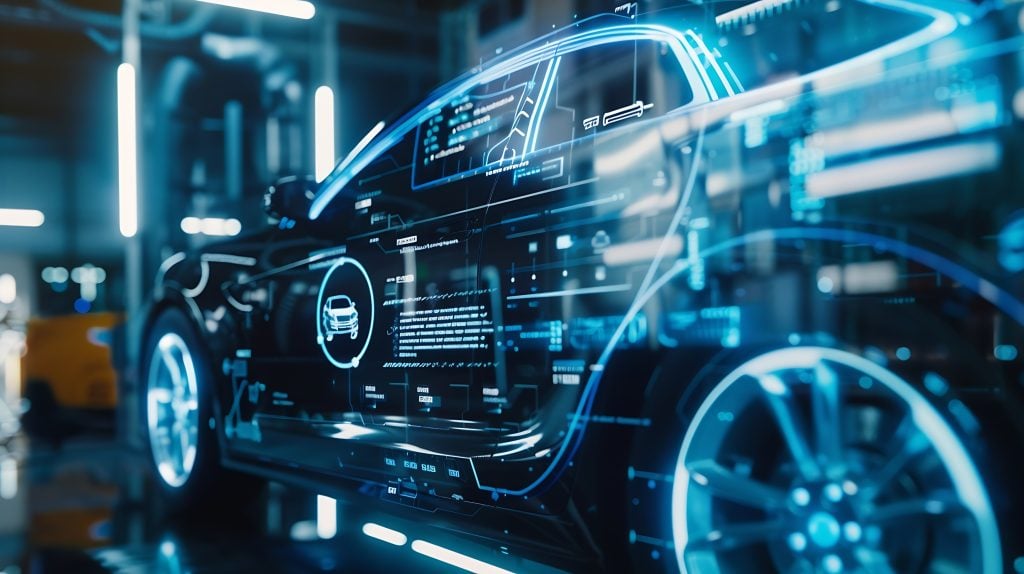
Transportation is undergoing a major transformation driven by rapid advances in digital systems, automation, electrification, and connectivity. Vehicles are evolving from purely mechanical machines into intelligent mobility platforms capable of communication, data analysis, and adaptive decision-making. These developments are changing how people think about travel, ownership, infrastructure, and sustainability. Whether exploring industry trends, researching transportation innovation, or reviewing available cars for sale Grand Rapids, understanding future mobility and vehicle technology helps explain how automotive progress is reshaping modern movement and everyday transportation experiences.
The Shift From Traditional Transportation to Smart Mobility
For decades, vehicles primarily focused on mechanical performance, fuel delivery, durability, and driving capability. Modern transportation technology has expanded far beyond those traditional priorities.
Future mobility emphasizes connected systems, intelligent automation, digital communication, and integrated transportation ecosystems.
Rather than functioning as isolated machines, modern vehicles increasingly operate within broader technology networks that involve cloud computing, real-time navigation systems, mobile integration, and infrastructure communication.
This shift reflects changing transportation demands in growing urban environments, evolving consumer expectations, and global interest in sustainability and efficiency.
Mobility technology is no longer limited to how vehicles move. It also involves how transportation systems communicate, adapt, share information, and coordinate movement across complex environments.
Electric Vehicles and the Electrification Revolution
One of the most significant developments in vehicle technology is the expansion of electrification.
Electric vehicles rely on battery-powered propulsion systems rather than traditional internal combustion engines. This transition changes how vehicles generate power, manage energy, and interact with supporting infrastructure.
Electric powertrains introduce several technological differences compared with conventional engine systems.
Battery systems store electrical energy used to power motors that drive the vehicle. Advanced software continuously manages charging conditions, energy distribution, temperature regulation, and performance optimization.
Charging technology has also become a major component of future mobility discussions.
Public charging networks, home charging systems, and fast-charging capabilities continue evolving to support wider electric vehicle adoption.
Battery innovation remains central to future development because improvements in charging speed, energy density, battery lifespan, and thermal management directly influence vehicle usability.
Electrification represents more than an alternative fuel strategy. It reflects a broader redesign of automotive engineering and transportation energy management.
Autonomous Driving and Artificial Intelligence Systems
Autonomous driving technology is among the most discussed areas of future vehicle development.
Although fully autonomous transportation remains an evolving field, many modern vehicles already use technologies that support semi-automated driving functions.
These systems rely heavily on artificial intelligence, sensor fusion, cameras, radar, lidar, and advanced software analysis.
Vehicle systems continuously process environmental information to interpret traffic patterns, lane markings, surrounding objects, road conditions, and driver behavior.
Artificial intelligence allows vehicles to analyze enormous volumes of real-time information while supporting functions such as adaptive cruise control, lane management assistance, parking automation, and hazard recognition.
The long-term objective of autonomous technology involves creating systems capable of performing driving tasks with minimal human intervention under specific conditions.
However, technical, legal, ethical, and infrastructure challenges continue influencing the pace of development.
Autonomous mobility remains an area of active research because reliable automated transportation requires extremely accurate environmental understanding and decision-making capability.
Connected Vehicles and Real-Time Communication
Connectivity is becoming a defining characteristic of future mobility.
Connected vehicles use communication technology to exchange information with drivers, mobile devices, cloud platforms, and sometimes other vehicles or infrastructure systems.
This communication environment creates opportunities for smarter transportation management.
Connected vehicle systems may support features related to navigation updates, maintenance monitoring, software improvements, traffic analysis, and digital convenience tools.
Real-time communication can improve route planning by responding dynamically to congestion, weather conditions, road incidents, or infrastructure changes.
Vehicle-to-vehicle communication represents another important area of development.
Future systems may allow vehicles to share information regarding braking activity, traffic flow, road hazards, or surrounding movement patterns.
Vehicle-to-infrastructure communication could also influence future transportation networks by enabling interaction between vehicles and traffic signals, roadway sensors, parking systems, or smart city technologies.
These developments demonstrate how future mobility increasingly depends on information sharing and connected digital ecosystems.
Software-Defined Vehicles and Digital Control Systems
Modern vehicles increasingly resemble software-driven technology platforms.
Many automotive functions that were once controlled mechanically now depend heavily on software management systems.
This shift has introduced the concept of software-defined vehicles.
In software-defined environments, digital systems influence everything from infotainment and navigation to battery management, safety monitoring, and driving performance.
Electronic control units continuously collect and process operational data from sensors distributed throughout the vehicle.
Software-based systems allow manufacturers to adjust functionality through remote updates rather than relying solely on hardware modifications.
Over-the-air updates illustrate this trend clearly.
Instead of requiring physical service appointments for selected software improvements, vehicles may receive updates remotely to improve functionality, interface performance, or compatibility.
As vehicle software becomes more advanced, digital architecture will likely play an increasingly central role in future automotive engineering.
Mobility as a Service and Changing Transportation Models
Future mobility discussions increasingly include changing attitudes toward transportation access and ownership.
Mobility as a Service, often abbreviated as MaaS, describes transportation systems that emphasize flexible access over traditional ownership models.
Digital platforms increasingly connect users with transportation options such as ride-sharing services, subscription models, micro-mobility systems, and integrated public transportation solutions.
Smartphone technology plays an important role in enabling these transportation ecosystems.
Instead of relying exclusively on personal vehicle ownership, some future transportation models may involve combining multiple mobility options according to travel needs, geographic location, and economic preferences.
Urban environments are particularly important in these discussions because growing populations place pressure on parking availability, congestion management, and infrastructure planning.
Future mobility systems may therefore involve more integrated transportation coordination across private, public, and shared mobility services.
Safety Technology and Predictive Driver Assistance
Safety innovation continues influencing the future direction of vehicle technology.
Modern driver-assistance systems already provide important examples of how intelligent safety tools support awareness and operational control.
Future safety systems will likely become increasingly predictive rather than purely reactive.
Advanced technologies may analyze driver behavior, road conditions, vehicle status, and environmental variables to identify potential risks before hazardous situations fully develop.
Artificial intelligence and predictive analytics may improve the accuracy of hazard recognition, fatigue detection, collision prevention systems, and traffic monitoring tools.
Modern safety development increasingly focuses on supporting proactive awareness rather than waiting for emergency situations to occur.
The integration between sensors, software intelligence, and vehicle control systems reflects a growing emphasis on preventative safety engineering.
Sustainable Engineering and Environmental Mobility Goals
Sustainability remains a major factor shaping future transportation technology.
Automotive development increasingly considers environmental efficiency alongside performance, convenience, and operational capability.
Sustainable mobility extends beyond electric vehicle adoption alone.
Manufacturers also explore lightweight materials, improved aerodynamics, renewable energy integration, recycling strategies, and energy-efficient manufacturing methods.
Reducing energy waste across vehicle design, production, operation, and disposal has become an important engineering objective.
Smart transportation systems may also contribute to sustainability by reducing congestion, optimizing traffic flow, and improving route efficiency.
Future mobility strategies therefore involve both vehicle-level innovation and broader transportation system management.
The pursuit of environmental responsibility continues influencing technological priorities throughout the automotive industry.
Human Experience and the Future Vehicle Interior
As automation and connectivity expand, the vehicle interior is also evolving.
Future cabin design increasingly focuses on digital interaction, personalization, comfort, and adaptive user experiences.
Touchscreen systems, voice recognition, augmented displays, and intelligent interface design already influence how drivers interact with modern vehicles.
As automated driving technology progresses, interior layouts may continue changing to accommodate new forms of productivity, entertainment, communication, and passenger comfort.
Artificial intelligence may further personalize the cabin environment by adapting climate settings, seating preferences, navigation behavior, and digital interfaces according to user patterns.
This shift suggests that future vehicles may function not only as transportation tools but also as connected personal environments tailored to individual needs.
Conclusion
Future mobility and vehicle technology represent a broad transformation in how transportation systems are designed, managed, and experienced. Electrification, artificial intelligence, connected communication, software-defined architecture, predictive safety systems, and evolving ownership models are reshaping the automotive landscape.
Understanding these technologies provides insight into how vehicles are becoming more intelligent, adaptive, and integrated with digital life. As innovation continues advancing, future mobility will likely involve greater emphasis on connectivity, sustainability, automation, and flexible transportation solutions that redefine how people move through modern society.

Sandra Larson is a writer with the personal blog at ElizabethanAuthor and an academic coach for students. Her main sphere of professional interest is the connection between AI and modern study techniques. Sandra believes that digital tools are a way to a better future in the education system.