Geek culture has always moved through visuals. A striking poster, a memorable trailer, a convention teaser, a comic preview, a streaming announcement, a game clip, or a podcast short can turn a small update into something fans want to share.
The difference now is speed. Creators, reviewers, indie filmmakers, comic artists, podcasters, and fan-focused publishers are expected to keep up with a constant stream of movie news, streaming releases, gaming updates, convention coverage, interviews, and social clips. A strong idea may need to become a short video before the conversation moves on.
That is where AI video technology is starting to become useful. The best use is not replacing original art, film footage, or human criticism. It is helping creators turn approved assets, original visuals, audio, and written concepts into video drafts that can be reviewed and refined before publishing.
From Static Posts to Motion-Based Drafts
Digital coverage often begins with static materials: a headline, a poster image, a press still, a podcast quote, a comic panel preview, or a short written angle. These assets can work on their own, but social media often rewards motion.
A review site may want a teaser for an upcoming home entertainment review. A podcast team may want to turn an interview quote into a short visual clip. An indie comic creator may want a motion preview for a crowdfunding update. A convention team may want a quick video to announce a panel or guest.
Producing every short clip manually can take time, especially for smaller teams. AI video can help by creating an early moving draft from materials that already exist.
Why Reference-Based Video Matters
Text prompts alone can be too loose for pop culture content. A creator may want a clip to match the tone of a review, the look of a creator-owned comic, the pacing of a podcast teaser, or the mood of an original short film concept. Without references, the output can feel generic.
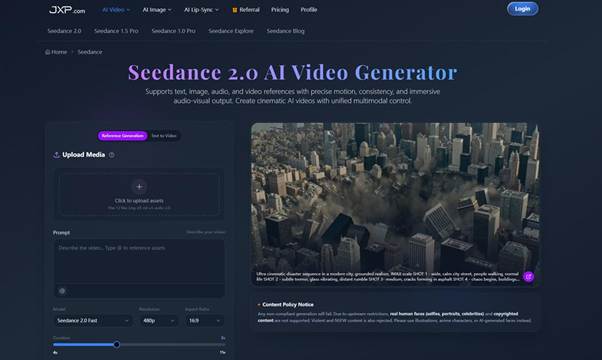
Tools such as Seedance 2.0 are relevant because they support text, image, audio, and video references. A creator can upload approved visuals, describe the camera movement, add audio direction, and generate a short draft that feels closer to the intended story.
This is especially useful for creators working with original material. A comic artist can test how a cover style might move in a teaser. A filmmaker can explore a mood clip for a pitch. A podcaster can build a visual short around a quote without starting from a blank editing timeline.
Useful for Reviews, Interviews, and Creator Projects
Geek media is full of repeatable formats. Reviews, interviews, list features, convention previews, streaming coverage, gaming guides, and comic spotlights all need visuals that help the audience understand the angle quickly.
AI video can support those formats in practical ways. A reviewer can create a non-spoiler visual intro for a discussion. An interview team can turn a guest quote into a short clip for social sharing. A comic creator can test a teaser using original character art. A gaming writer can create a motion graphic-style draft around a guide or feature without using restricted gameplay footage.
With reference-based video generation, the goal is not to invent a random scene. The goal is to use references and direction to create a first version that can be improved by a human editor or creator.

A Better Workflow for Short-Form Publishing
Short-form publishing is now part of digital media. A written review may still carry the full opinion, but a short video can draw attention to the piece. A podcast may still be the main product, but a visual quote clip can help it reach new listeners. A comic or indie film update may live on a website, but a motion teaser can make it easier to share.
This is where an AI video workflow can help creators move faster. Instead of waiting until a full edit is built, a team can test a short draft, compare a few directions, and decide which version deserves final polish.
A simple process can work:
- Choose the content goal, such as review teaser, interview clip, comic preview, or convention announcement.
- Gather original or approved assets.
- Add audio, quotes, stills, or reference clips when available.
- Write a prompt that explains tone, motion, pacing, and format.
- Generate a short draft.
- Review whether the clip supports the story clearly.
- Refine the strongest version before publishing.
Keeping Creativity and Rights in Focus
Entertainment content has a special responsibility. Creators should be careful with copyrighted footage, character likenesses, studio assets, and fan-made material. AI video should not be treated as permission to recreate protected work or mislead audiences.
The safer and more useful approach is to work from original assets, licensed materials, press-approved visuals, creator-owned art, or abstract motion concepts. That keeps the focus on storytelling, commentary, and promotion rather than imitation.
Human judgment remains central. A video draft may look polished, but it still needs to fit the voice of the review, the tone of the interview, or the identity of the creator project. The tool can help build a draft, but people decide what feels right.
What This Means for Geek Culture Technology
Geek culture moves fast. A new trailer drops, a festival review lands, a convention announcement goes live, a comic campaign launches, or a streaming release becomes the conversation of the week. In that environment, visual speed matters.
AI video tools can help smaller teams and independent creators keep pace without turning every idea into a full production project. They can make early drafts easier, support short-form promotion, and help original projects look more polished before they reach the audience.
The future of geek culture content will still depend on taste, fandom knowledge, criticism, interviews, and creative point of view. AI video simply adds another tool for getting from idea to motion faster. Used responsibly, it can help more stories, reviews, and creator projects find their audience while keeping the human voice at the center.

Sandra Larson is a writer with the personal blog at ElizabethanAuthor and an academic coach for students. Her main sphere of professional interest is the connection between AI and modern study techniques. Sandra believes that digital tools are a way to a better future in the education system.