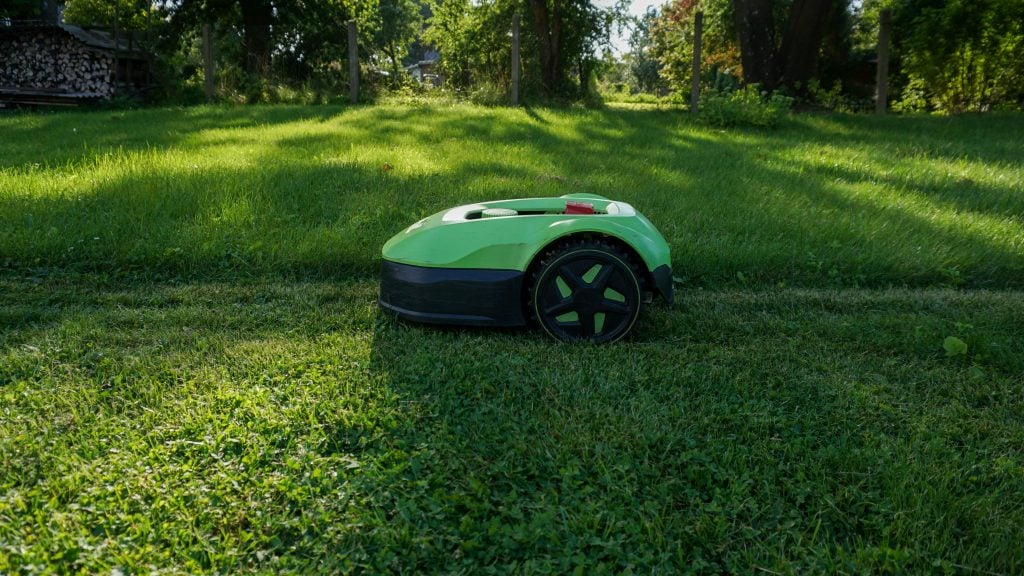
Choosing the best electric lawn mower starts with understanding your yard and how you like to maintain it. Cordless models now rival gas machines for power, while staying quieter and easier to maintain. You’ll find everything from simple push mowers to advanced robotic units like the Sunseeker Elite X5, which can mow with satellite precision and smart obstacle detection. With so many options, it’s easy to get overwhelmed. Focus on yard size, battery performance, cutting width, and key features such as self-propelled drives or multi-zone mapping. With a bit of planning, you can match the mower to your lawn and your lifestyle.
What Factors Should You Consider When Choosing an Electric Lawn Mower?
Match the Lawn Mower to Your Yard Size and Terrain
Start by measuring your lawn and noting its layout. Small, flat townhome yards usually do fine with a compact push mower. These models turn easily in tight spaces and cost less. Medium suburban lawns often benefit from a wider cutting deck to finish faster and may need a self‑propelled drive on slopes. Large, complex yards with hills, trees, and narrow passages demand more thought. Some homeowners now choose robotic mowers like the Sunseeker Elite X5, which uses RTK‑GNSS and VSLAM to map lawns with centimeter‑level accuracy and handle 60% slopes. Match the mower’s size, drive system, and navigation ability to your terrain for reliable results.
Compare Battery Life, Runtime, and Charging Performance
Battery performance determines whether you finish the lawn in one go or stop halfway. Check the voltage and amp‑hours (Ah) of the battery, since higher values usually mean more power and longer runtime. Many walk‑behind cordless mowers offer 30–60 minutes per charge, which suits most urban and suburban yards. For larger areas, look for dual‑battery systems or kits that include a spare pack. Also compare charge times; fast chargers can bring a pack from empty to full in about an hour. Robotic mowers like the Sunseeker Elite X5 recharge themselves automatically, then resume mowing, which helps maintain a consistently trimmed lawn without manual battery swaps.
Evaluate Cutting Width, Height Adjustment, and Power Output
Cutting width affects how many passes you make. A 14–18 inch deck works well for small yards with tight corners, while 20–22 inch decks reduce mowing time on larger lawns. Check how easily you can adjust the cutting height; a single‑lever system saves time when grass growth changes with the seasons. Power output matters when you deal with thick, wet, or fast‑growing grass. Higher‑voltage brushless motors deliver more torque and maintain blade speed under load. Robotic models like the Sunseeker Elite X5 use a floating cutting disc, which keeps blades at the right height over uneven ground, improving cut quality across bumps, slopes, and contours.
Which Features Make an Electric Lawn Mower Worth Buying?
Look for Self-Propelled Functions and User-Friendly Controls
Self‑propelled mowers reduce effort, especially on slopes and larger lawns. Rear‑wheel drive offers better traction uphill, while all‑wheel drive systems give the best control on uneven or wet ground. Robotic mowers such as the Sunseeker Elite X5 take this even further with all‑wheel drive, independent front suspension, and a 60% climbing capability, letting the machine handle terrain that would tire most people. For walk‑behind models, look for variable speed controls, easy‑to‑reach levers, and straightforward start buttons instead of pull cords. Clear battery indicators and intuitive height adjusters matter, too. On the smart side, app control, scheduling, and voice commands via Alexa or Google Assistant add convenience and help you manage mowing without being on the lawn.
Compare Mulching, Bagging, and Side Discharge Options
Grass handling affects lawn health and cleanup time. Mulching mowers cut clippings into fine pieces and return them to the soil as natural fertilizer, which helps maintain greener grass with fewer added products. Bagging keeps the lawn spotless and works well when the grass grows long or you deal with weeds and don’t want seeds spreading. Side discharge suits rough areas, seasonal overgrowth, or utility spaces where appearance matters less. Many premium electric mowers allow you to switch between these three modes without tools. Robotic units like the Sunseeker Elite X5 focus on frequent light cuts, leaving micro‑clippings that act like continuous mulch, so you almost never see visible clippings on the lawn.
Review Warranty Coverage, Build Quality, and Long-Term Value
A quality electric mower should last several seasons with regular use. Check the warranty length on both the mower and the battery, since replacement packs can be pricey. Look for sturdy, corrosion‑resistant decks, solid wheel construction, and protected electronic components. Brushless motors typically outlast brushed ones and run more efficiently. Consider the brand’s service network and parts availability. High‑end robotic mowers like the Sunseeker Elite X5 may cost more upfront, but their precise navigation, Vision AI obstacle detection, and wire‑free setup can lower long‑term hassle and yard damage. When you factor in fuel savings, reduced maintenance, and time saved, a durable, well‑supported electric mower often provides better value than a cheaper, short‑lived model.
Conclusion
Choosing the best electric lawn mower means matching features to your yard, not just chasing the lowest price. Think about lawn size, terrain, and how much effort you want to invest. Evaluate battery runtime, cutting width, and power so the mower can handle your grass without frustration. Decide which extras matter most: self‑propelled drives, smart app control, or robotic navigation like the Sunseeker Elite X5 offers. Finally, weigh warranty coverage and build quality to protect your investment. When you align performance, convenience, and durability with your yard’s needs, your electric mower will keep your lawn neat with minimal work.

Sandra Larson is a writer with the personal blog at ElizabethanAuthor and an academic coach for students. Her main sphere of professional interest is the connection between AI and modern study techniques. Sandra believes that digital tools are a way to a better future in the education system.