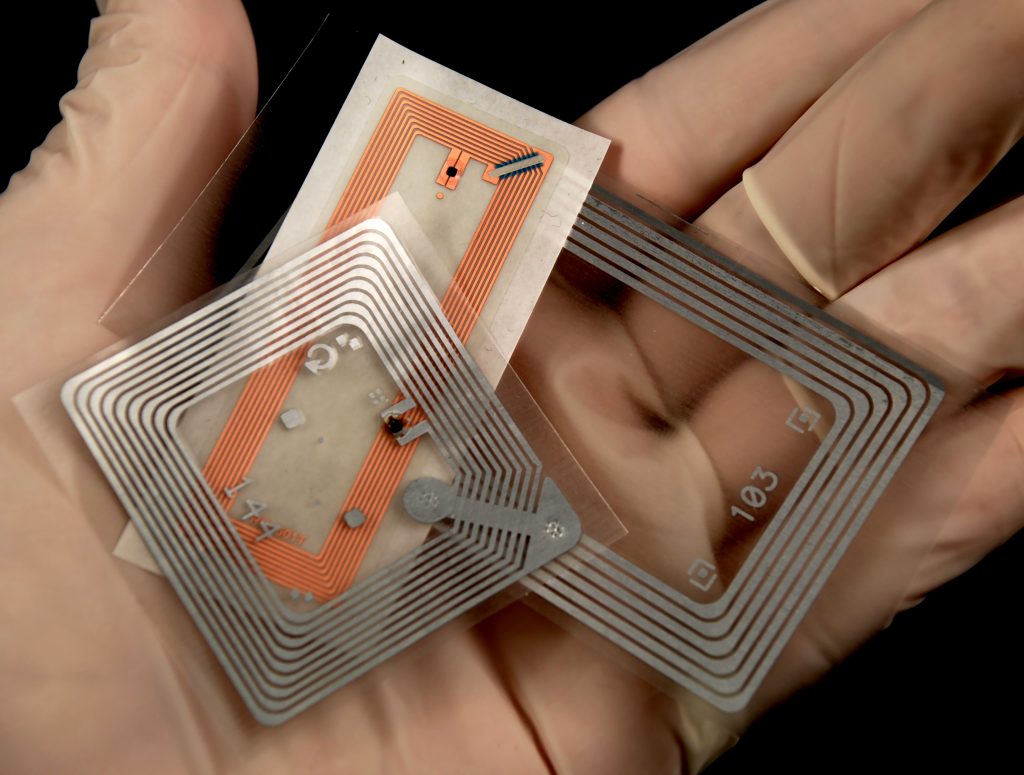
Understanding RFID Inventory Management Systems
RFID, or Radio Frequency Identification, is changing how businesses keep track of their stuff. Think of it like a super-powered barcode system, but instead of needing a direct scan, it uses radio waves. This means you can track items much faster and with fewer mistakes. An RFID system uses special tags attached to your inventory, readers that pick up signals from those tags, and software to make sense of all the data. It’s a big step up from the old ways of counting things by hand or scanning each item one by one.
This technology is all about getting real-time information. When an item moves, the RFID system knows. This constant stream of data helps businesses see exactly what they have and where it is, all the time. This real-time visibility is the core of what makes RFID so powerful for inventory management. It cuts down on those frustrating moments when you can’t find something or when your stock count doesn’t match what’s actually on the shelves. The goal is to make inventory tracking less of a chore and more of an automated process.
Implementing an RFID inventory management system means you’re moving towards a more automated and accurate way of doing things. It’s not just about having fancy tags; it’s about creating a smarter workflow. This system helps reduce manual errors that happen when people are doing the counting. It also means you can track items without needing to be right next to them, which speeds things up considerably. The accuracy you get from RFID is a game-changer for any business that deals with a lot of inventory.
The Advantages of RFID Over Traditional Tracking
Traditional tracking methods, like barcode scanning, have served us for a long time, but they have their limits. You have to physically see and scan each barcode, which takes time and can lead to errors if a label is missed or damaged. RFID, on the other hand, works differently. It uses radio waves, so readers can pick up signals from multiple tags at once, even if they’re inside boxes or containers. This ability to read tags without direct line-of-sight is a huge advantage.
One of the biggest benefits is speed. Imagine counting thousands of items. With barcodes, it’s a slow, painstaking process. With RFID, a reader can scan a whole pallet or even a room full of tagged items in seconds. This dramatically cuts down the time spent on inventory counts. Plus, because it’s automated, the risk of human error, like accidentally scanning the wrong item or missing one, is greatly reduced. This means your inventory data becomes much more reliable.
The shift from manual scanning to automated RFID reading means less time spent on inventory tasks and more time focused on running the business. It’s about working smarter, not harder.
Here are some key advantages:
- Faster Counts: Significantly reduces the time needed for inventory checks.
- Improved Accuracy: Minimizes human error in data entry and item identification.
- Real-Time Data: Provides up-to-the-minute information on stock levels and locations.
- Reduced Labor Costs: Less manual effort is required for tracking and counting.
Real-Time Visibility for Smarter Operations
Having real-time visibility into your inventory is like having a crystal ball for your business operations. It means you always know exactly what you have, where it is, and how much of it is available. This constant stream of accurate information from RFID tags allows managers to make better, faster decisions. Instead of guessing or waiting for outdated reports, they have the current facts at their fingertips.
This level of insight is incredibly useful for preventing problems before they start. For example, if a popular item is running low, the RFID system can alert you immediately. This allows you to reorder before you run out, avoiding lost sales and unhappy customers. It also helps in managing stock rotation, especially for items with expiration dates, by showing you what needs to be moved first. The impact of this constant awareness on operational efficiency is substantial.
Ultimately, real-time visibility powered by RFID transforms how a business operates. It moves operations from being reactive to proactive. When you can see your inventory status live, you can optimize everything from purchasing and sales to warehouse management and customer service. This makes the entire supply chain more agile and responsive to market changes. The benefits of this continuous insight are clear for any organization aiming for peak performance.
Enhancing Operational Efficiency Through RFID
RFID is changing the way businesses handle everyday inventory tasks. Instead of workers scanning each item by hand, RFID lets them gather data instantly as items pass by a reader. This boost in speed and accuracy means fewer errors and less time spent on busywork. RFID tag manufacturing puts smarter inventory tracking within reach for teams who want to work faster and make fewer mistakes.
Automated Data Capture and Improved Accuracy
Automation is the star of the show when it comes to RFID. Workers don’t need to pause and log every item. Hundreds of tags can be read in a single go, even if they’re tucked away or in motion. This means counts are always up to date, limiting surprises at audit time. For anyone tired of manual entry, automated data capture is a real game-changer for maintaining accurate records.
Streamlining Receiving and Put-Away Processes
Receiving shipments doesn’t have to take all morning. RFID tag manufacturing allows businesses to instantly check in goods as they roll off the truck. Speeding up receiving means items are on shelves and ready for use much sooner. During put-away, RFID tracks each item’s location, helping workers find bins or shelves without guesswork. Faster receiving keeps everything flowing, so production doesn’t get stuck waiting.
Preventing Stockouts with Material Replenishment Alerts
No one wants to run out of materials in the middle of a job. RFID tag manufacturing supports real-time alerts when stock drops below preset limits. Systems can send automatic notifications—or even orders—before a crisis hits. If you’re trying to avoid emergency purchases or last-minute rushes, this is key to maintaining a stable workflow without holding too much inventory at once.
RFID tag manufacturing isn’t just about technology. It’s about helping workers spend less time hunting for items, reducing costly errors, and making inventory tracking smarter and more reliable every day.
Benefits of RFID-Powered Efficiency
- Faster, automated inventory counts
- Fewer mistakes from manual entry
- Real-time inventory data at every step
| Task | Without RFID | With RFID | |
| Inventory Counting | Hours/days | Minutes | |
| Receiving Shipments | Manual log | Automatic scan | |
| Stock Replenishment | Reactive calls | Proactive alerts |
The Role of RFID in Asset Tracking and Accountability
Monitoring Tool Usage and Maintenance Schedules
Keeping tabs on tools and equipment is a big deal in many industries. Without a solid system, tools go missing, or worse, end up being used when they’re due for maintenance. RFID tags attached to tools make this whole process much simpler. Each time a tool is checked out or returned, the RFID system logs it. This means supervisors can quickly see who used what and when. It also helps spot if a tool is overdue for service. This level of detail prevents costly downtime and ensures safety.
This data also sheds light on usage patterns. You might find certain tools are hardly ever used, or conversely, that a specific tool is constantly in demand. This insight helps in making better decisions about purchasing new equipment or retiring old, underused assets. It’s all about making sure your tools are working for you, not gathering dust.
Ultimately, using RFID for tool tracking means less time spent searching and more time spent working. It brings a new level of order to what can often be a chaotic tool crib. The accountability it provides is a significant benefit for any operation.
Improving Equipment Utilization Insights
Understanding how your equipment is actually being used is key to efficiency. Are you getting the most out of your machinery, or are some assets sitting idle? RFID asset tracking provides the answers. By tagging equipment, you get a clear picture of its operational history. This data shows exactly how much each piece of equipment is running, or not running.
This information is gold for managers. It helps identify underutilized assets that might be candidates for redeployment or even sale. On the flip side, it can justify the need for new equipment if current assets are consistently maxed out. It’s about making informed choices based on real usage, not guesswork.
Better equipment utilization means a better bottom line. It reduces unnecessary capital expenditure and maximizes the return on existing investments. RFID makes this level of insight achievable.
Ensuring Accountability Across Teams and Departments
When assets move between different teams or departments, it’s easy for things to get lost or for responsibility to become unclear. RFID technology brings much-needed clarity to this situation. Every movement of a tagged asset is recorded, creating a clear chain of custody. This means you always know where an asset is and who last had it.
This improved accountability is especially important for high-value items or sensitive equipment. It reduces disputes over lost or damaged goods. Managers can easily review logs to see the history of an asset’s movement, pinpointing any issues quickly.
Implementing RFID for asset tracking doesn’t just improve inventory counts; it fundamentally changes how teams interact with and are responsible for shared resources. This fosters a culture of care and efficiency across the entire organization.
The ability to track assets across different locations and departments simplifies audits and compliance checks. It provides a reliable digital trail that satisfies regulatory requirements and internal controls. This makes RFID a powerful tool for maintaining order and responsibility.
Integrating RFID with Smart Storage Solutions

Seamless Tracking with Vertical Lift Modules
Vertical lift modules (VLMs) are fantastic for saving space and keeping high-value items secure. When you add RFID tags to the items stored within a VLM, the tracking becomes incredibly simple. As an item is retrieved or put back, the RFID system automatically logs the transaction. This means you always know exactly what’s inside, where it is, and who took it, without needing to manually scan anything. This integration makes managing inventory within these compact storage units much easier.
Controlled Access with Smart Vending Systems
Smart vending systems offer a controlled way to dispense tools, supplies, or parts. By equipping items with RFID tags, these systems can verify what’s being taken and link it to a specific user or job. This level of detail is super helpful for tracking usage patterns and managing who has access to what. It’s a big step up from just guessing what’s running low or who used the last of something. The RFID data provides clear insights into consumption.
Optimizing Space Utilization Through Leaner Inventory
Combining RFID technology with smart storage solutions like VLMs and smart vending machines helps keep inventory levels lean. Because you have such accurate, real-time information about what you have and what’s being used, you can avoid overstocking. This means less capital tied up in inventory and more efficient use of your storage space. The RFID system supports this by providing the data needed to make smarter purchasing and stocking decisions, leading to better overall space utilization.
Manufacturing Automation Powered by RFID
Automated Material Handling and Routing
Manufacturing automation gets a big boost from RFID. Think about how materials move around a factory floor. With RFID tags on bins, parts, or even individual components, automated systems can identify what’s what and where it needs to go. This means conveyors, robotic arms, and automated guided vehicles can pick up the right items and send them to the correct workstations without anyone needing to manually direct them. It really speeds things up and cuts down on mistakes.
This automated material handling is a key part of modern manufacturing automation. It’s not just about moving things; it’s about moving the right things at the right time. RFID makes this possible by giving machines the information they need to make smart decisions on the fly. This level of automation helps keep production lines flowing smoothly and reduces the chances of delays caused by misrouted parts.
RFID technology transforms how materials are managed on the factory floor, enabling a more efficient and error-free production process.
Quality Control Verification with Smart Labels
Quality control is another area where RFID makes a significant impact. Instead of relying solely on manual checks or barcode scans, manufacturers can use RFID smart labels. These labels can store specific production data, like manufacturing date, batch number, or even test results. As a product moves through the quality check points, automated systems can read these RFID tags.
If a component or finished product doesn’t meet the required specifications, the RFID system can automatically flag it. This might mean diverting the item to a rework station or rejecting it entirely. This automated verification process is much faster and more reliable than manual inspection, helping to catch defects early and prevent faulty products from moving further down the line. Using RFID in quality control means better product consistency.
Tracking Work-in-Process for Production Flow
Keeping track of work-in-process (WIP) is vital for any manufacturing operation. RFID tags attached to subassemblies or components allow manufacturers to monitor their progress through every stage of production. This real-time visibility helps identify bottlenecks – those points where work piles up and slows everything down. By knowing exactly where each item is in the production cycle, managers can address issues before they cause significant delays.
This constant tracking of WIP is what makes production flow more predictable and efficient. It allows for better scheduling and resource allocation because you have an accurate picture of what’s being worked on and what’s coming next. The use of RFID technology in manufacturing automation for WIP tracking means fewer surprises and a more controlled production environment. It’s all about keeping things moving smoothly from start to finish.
The Financial Impact of RFID Implementation
Implementing RFID technology isn’t just about fancy gadgets; it’s about making solid business sense. The financial benefits often start showing up pretty quickly, impacting the bottom line in several key areas. Think about the hours your team spends manually counting inventory. That’s time and money that could be spent on more productive tasks. RFID automates much of this, freeing up staff and reducing the chance of human error that can lead to costly mistakes.
Beyond labor savings, RFID significantly cuts down on losses. Misplaced items, shrinkage due to theft, or even just items expiring on the shelf because they weren’t found in time – these all add up. With real-time tracking, you know where everything is, reducing the chances of items going missing or becoming obsolete. This improved inventory accuracy means less money tied up in excess stock and fewer emergency orders placed at premium prices.
Ultimately, the financial impact of RFID implementation is about long-term strategic investment. While there’s an upfront cost, the ongoing savings in labor, reduced losses, and optimized stock levels create a strong return. This allows businesses to reallocate capital more effectively, making smarter decisions about purchasing and operational improvements. The financial gains from RFID are not a one-time event but a continuous improvement cycle.
Key Considerations for RFID Implementation

Assessing Inventory Types and Environmental Conditions
When thinking about putting RFID into play, the first thing to really look at is what you’re tracking. Are we talking about tiny electronic components, big metal machinery, or maybe liquids? Each type of item might need a different kind of RFID tag. Metal, for instance, can mess with the signals, so you’d need special tags for that. Also, think about where these items live. Is it a super cold warehouse, a hot factory floor, or a place with lots of moisture? These environmental factors can really affect how well your RFID tags and readers work. It’s not a one-size-fits-all situation, so a good assessment upfront saves a lot of headaches later.
It’s important to remember that not all RFID tags are created equal. You’ve got passive tags, which are cheaper and don’t need batteries, and active tags, which are more expensive but have a longer read range and can send out their own signals. For tracking high-value assets that move around a lot, active tags might be worth the extra cost. But for just tagging thousands of small parts on a shelf, passive tags are usually the way to go. The cost per tag can range from pennies to many dollars, so matching the tag type to the item and its environment is key to keeping the budget in check.
Businesses comparing options for the Best RFID Tag Manufacturer in China can look for suppliers like WXR that support custom chip selection, materials, printing, and encoding to match RFID tags to specific inventory environments.
Proper planning around tag selection and environmental suitability is vital for a functional RFID system. Ignoring these details can lead to poor read rates and wasted investment.
Integrating RFID with Existing ERP and WMS Software
So, you’ve got your RFID tags and readers all set up. Now, how does all that new data get into your existing systems? Most businesses already use some kind of Enterprise Resource Planning (ERP) or Warehouse Management System (WMS) software. The goal isn’t just to collect data; it’s to make that data useful. This means your new RFID system needs to talk nicely with your old software. Sometimes, this integration is pretty straightforward, especially if your ERP or WMS provider offers specific RFID modules. Other times, it can be a bit more complicated, requiring custom work or middleware to bridge the gap.
Think about what information you want to flow. Do you need real-time updates on inventory levels in your WMS? Or maybe you want to automatically update asset records in your ERP when an item is moved? Defining these data flows before you start the integration process makes things much smoother. It’s also a good idea to involve your IT team or an experienced RFID vendor early on. They can help identify potential compatibility issues and map out the best way to connect your systems. Getting this right means your RFID data isn’t just sitting in a separate database; it’s actively improving your overall business operations.
- Define data integration points clearly.
- Consult with IT and RFID specialists.
- Test data flow thoroughly before full deployment.
Training Staff for Successful Adoption
Implementing RFID technology isn’t just about the hardware and software; it’s also about the people who will use it every day. If your team doesn’t understand how the system works or why it’s being implemented, you’re going to run into problems. Resistance to change is natural, especially if people are used to older, manual methods. That’s why comprehensive training is so important. You need to explain not just how to use the new tools, but also why they are beneficial. Show them how RFID can make their jobs easier, reduce errors, and free up time for more important tasks.
Training should be tailored to different roles. Warehouse staff who will be scanning items need hands-on training with the readers. Managers might need training on how to interpret the data and reports generated by the system. It’s also a good idea to have some internal champions – people who are enthusiastic about the technology and can help their colleagues. Providing ongoing support and refresher training can also help solidify understanding and encourage consistent use of the RFID system. A well-trained team is more likely to embrace the technology and help you get the most out of your RFID investment.
Successful RFID adoption hinges on user buy-in, which is best achieved through clear communication and practical, role-specific training.
Looking Ahead: RFID’s Role in Smarter Operations
So, as we’ve seen, the way RFID tags are made really matters for how well they help businesses keep track of their stuff. It’s not just about slapping a tag on something; it’s about having the right tech built into that tag to handle tough factory floors or busy warehouses. When you get that right, you get fewer mistakes, you can find things faster, and you stop losing items. This all adds up to a smoother operation, less wasted money, and a better handle on what you actually have. As companies keep looking for ways to work smarter, RFID is going to be a big part of making that happen, especially when it comes to knowing exactly where everything is at all times.

Caroline is doing her graduation in IT from the University of South California but keens to work as a freelance blogger. She loves to write on the latest information about IoT, technology, and business. She has innovative ideas and shares her experience with her readers.