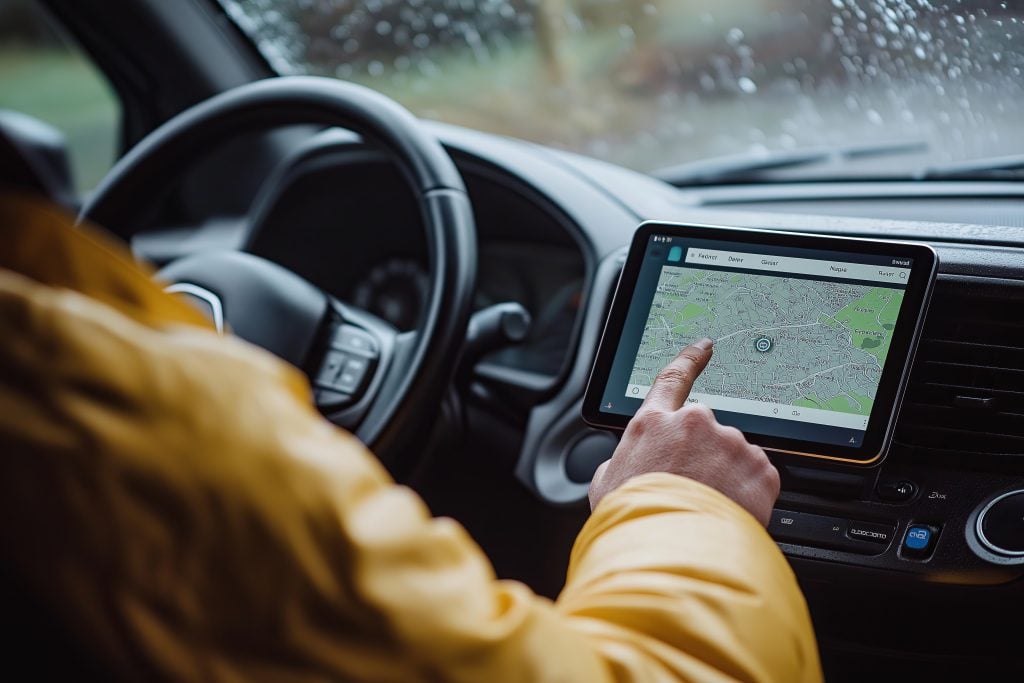
The modern driving experience has changed dramatically over the past decade. Vehicles are no longer just mechanical machines designed to transport people from one place to another. They have become intelligent environments that combine comfort, connectivity, and automation. Smart cabin technology is at the center of this transformation, reshaping how drivers and passengers interact with their vehicles. For many shoppers exploring advanced vehicle interiors through Chrysler Davie, FL, it becomes clear that today’s cabins are designed not just for driving, but for living, working, and relaxing on the move.
As automotive innovation continues, smart cabins are setting new standards for convenience, personalization, and safety, turning every journey into a more refined and enjoyable experience.
The Rise of the Smart Cabin Concept
A smart cabin refers to a vehicle interior equipped with advanced digital systems, sensors, and connected technologies that enhance comfort and usability. Unlike traditional interiors that relied mainly on mechanical controls, smart cabins integrate software-driven interfaces that respond intelligently to driver and passenger needs.
These systems include voice assistants, digital dashboards, climate automation, adaptive seating, and personalized user profiles. The goal is to create an environment that feels intuitive, responsive, and tailored to individual preferences.
This shift represents a major evolution in automotive design, where the interior experience is just as important as engine performance or exterior styling.
Voice-Controlled Systems and Hands-Free Convenience
One of the most noticeable features of smart cabin technology is voice control. Drivers can now interact with their vehicles using natural speech commands instead of physical buttons or touchscreens.
Voice assistants can manage navigation, adjust climate settings, play music, send messages, and even control connected smart devices. This hands-free interaction reduces distractions and allows drivers to keep their focus on the road.
Modern systems are also becoming more advanced in understanding context and intent. Instead of requiring precise commands, they can interpret conversational language, making the experience more natural and user-friendly.
Digital Instrument Clusters and Smart Displays
Traditional analog dashboards have largely been replaced by fully digital instrument clusters. These displays provide real-time information such as speed, fuel efficiency, navigation directions, and safety alerts in a customizable format.
Drivers can choose what information is most important to them, adjusting layouts based on driving conditions or personal preference. Some systems even allow different display themes for sport, comfort, or eco driving modes.
Central infotainment screens further enhance the experience by integrating entertainment, navigation, and vehicle settings into a single interface. These screens are designed for easy interaction, often using touch, voice, and gesture controls.
Personalized Driver Profiles and Memory Settings
Smart cabin technology enables vehicles to recognize individual drivers and automatically adjust settings to their preferences. This includes seat position, steering wheel alignment, mirror angles, climate control, and infotainment preferences.
When multiple drivers use the same vehicle, each person can have a unique profile stored in the system. Once the driver enters the vehicle, their settings are instantly restored.
This level of personalization adds convenience and ensures a consistent driving experience every time.
Intelligent Climate Control Systems
Climate control has also become more advanced with the integration of smart technology. Instead of simple manual adjustments, modern systems use sensors to monitor cabin temperature, humidity, and sunlight exposure.
Based on this data, the system automatically adjusts airflow, temperature, and ventilation zones to maintain optimal comfort. Some vehicles even allow individual temperature settings for different seating areas, ensuring personalized comfort for all passengers.
These systems can also learn user preferences over time, automatically adjusting settings based on past behavior.
Smart Seating and Comfort Optimization
Seats in modern vehicles are no longer static components. Smart seating systems can now adjust dynamically to improve comfort and reduce fatigue.
Features such as lumbar support adjustment, massage functions, heating and cooling, and posture correction are increasingly common in advanced vehicles. Some systems can even detect driver fatigue and suggest adjustments or rest breaks.
Long-distance driving becomes significantly more comfortable with these innovations, reducing strain and improving overall well-being.
Advanced Infotainment and Connectivity
Infotainment systems are a central part of the smart cabin experience. These systems provide seamless connectivity between smartphones, cloud services, and in-car applications.
Drivers can access navigation apps, streaming services, messaging platforms, and vehicle diagnostics through a single interface. Integration with Apple CarPlay and Android Auto allows for easy synchronization of mobile devices.
Many systems also support over-the-air updates, ensuring that software remains current and continuously improves over time.
Ambient Lighting and Interior Atmosphere Control
Smart cabins also focus on creating a more enjoyable atmosphere through ambient lighting systems. These customizable lighting features allow drivers to adjust color schemes, brightness, and lighting zones within the cabin.
Lighting can be synchronized with driving modes, music, or time of day, creating a more immersive environment. For example, calming tones may be used during nighttime driving, while brighter settings enhance visibility during the day.
This level of control helps create a more personalized and emotionally engaging driving experience.
AI-Based Driver Assistance Inside the Cabin
Artificial intelligence plays an important role inside smart cabins. AI systems can monitor driver behavior, detect fatigue, and provide alerts when necessary.
Some systems track eye movement and steering patterns to determine whether the driver is distracted or tired. If risk is detected, the system may issue warnings or suggest taking a break.
AI can also assist with predictive adjustments, such as pre-conditioning the cabin before the driver enters or recommending routes based on traffic conditions.
Enhanced Safety Through Cabin Monitoring Systems
Smart cabins are not only about comfort—they also improve safety. Interior cameras and sensors can monitor passengers, especially in family vehicles, ensuring that seatbelts are fastened and children are safe.
Some systems can detect forgotten passengers or objects inside the vehicle, reducing risks such as leaving children or pets unattended.
These technologies provide an additional layer of safety beyond traditional external vehicle systems.
Gesture Controls and Touch-Free Interaction
In addition to voice control, many smart cabins now include gesture recognition systems. These allow drivers to control functions such as volume, calls, and navigation through simple hand movements.
This reduces the need to interact directly with screens or buttons, improving safety and convenience. Gesture controls are especially useful when quick adjustments are needed without taking attention away from driving.
As technology advances, these systems are becoming more accurate and responsive.
Integration With Smart Devices and Ecosystems
Modern vehicles are increasingly integrated into broader digital ecosystems. Smart cabins can connect with home automation systems, smartphones, and wearable devices.
For example, drivers can synchronize calendars, control home lighting, or check security cameras directly from the vehicle interface. This connectivity creates a seamless transition between home, work, and travel environments.
Such integration highlights how vehicles are becoming extensions of the digital lifestyle.
The Future of Smart Cabin Technology
The future of smart cabin technology is expected to include even greater levels of automation, personalization, and artificial intelligence.
Emerging innovations may include augmented reality displays projected onto windshields, fully adaptive interiors that change layout based on usage, and predictive systems that anticipate driver needs before commands are given.
As autonomous driving technology develops further, the cabin will evolve into a multifunctional space where occupants can work, relax, or entertain themselves during travel.
Conclusion
Smart cabin technology is fundamentally transforming the driving experience by making vehicles more intelligent, comfortable, and connected. Through features such as voice control, personalized settings, AI assistance, and advanced infotainment systems, modern interiors are designed to respond to individual needs in real time.
These innovations not only enhance convenience but also improve safety and reduce driving fatigue. As automotive technology continues to evolve, smart cabins will play an even greater role in shaping the future of mobility, turning vehicles into fully adaptive environments that go far beyond traditional transportation.

Amanda Lancaster is a PR manager who works with 1resumewritingservice. She is also known as a content creator. Amanda has been providing resume writing services since 2014.