Warning: This article contains major spoilers for Brand New Day
Spider-Man: Brand New Day finally gives Marvel fans something they have been requesting for years: a frightening, unpredictable Hulk who feels capable of tearing apart anything placed in front of him.
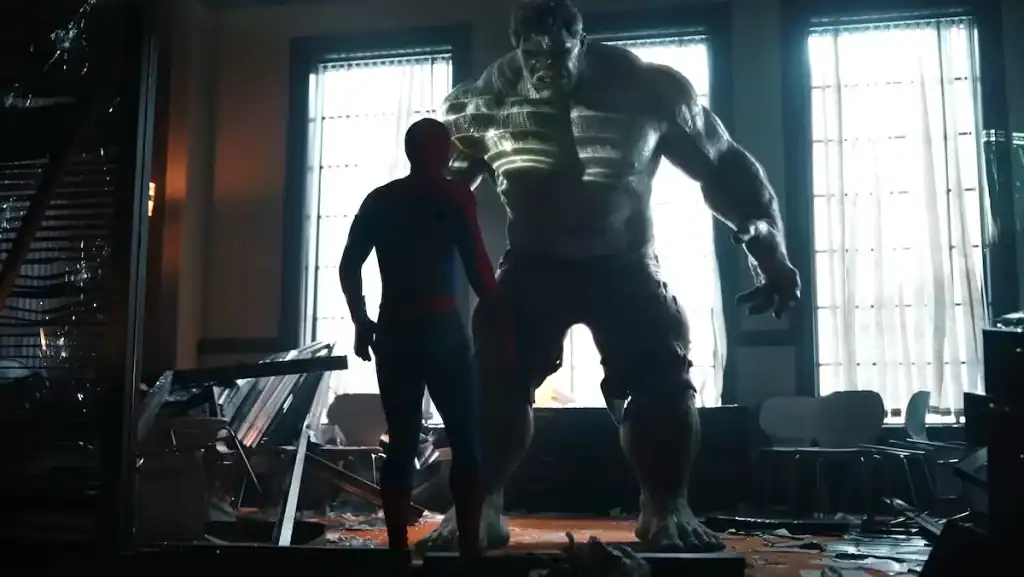
The return of Mark Ruffalo’s more savage Hulk results in one of the movie’s biggest action sequences, forcing Spider-Man and the Punisher into a desperate attempt to survive an opponent neither of them can realistically overpower.
It is exciting, destructive and much closer to the version of the character who originally helped define the Avengers. It also leaves audiences with the same question that has followed Bruce Banner throughout the post-Endgame era.
What exactly is Marvel doing with the Hulk?
Bruce has moved from permanently merged Smart Hulk to ordinary human, back to Smart Hulk, and now into an unstable Savage Hulk. Along the way, Marvel introduced his son, revived several important figures from his past and expanded the MCU’s collection of gamma-powered characters.
Yet none of those developments have formed a clear direction for Bruce himself.
How Hulk Fits Into Spider-Man: Brand New Day
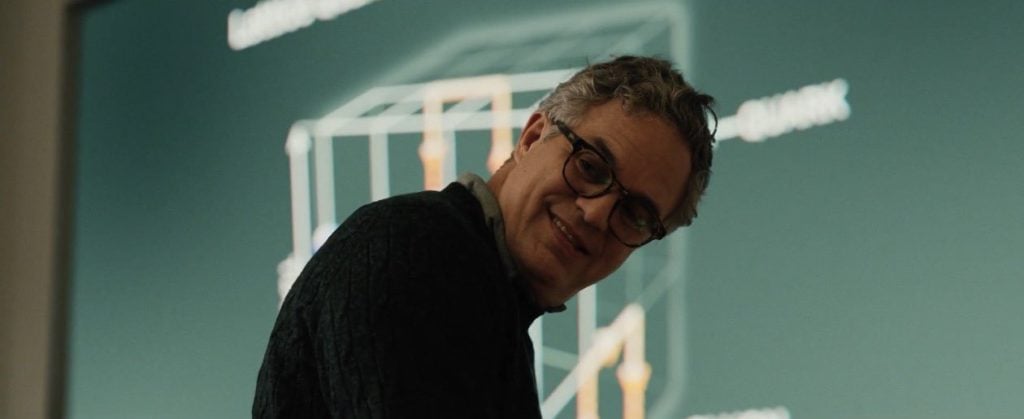
Bruce Banner enters Brand New Day in a surprisingly peaceful place. He is teaching quantum mechanics at Empire State University and using an inhibitor to remain in his human form.
Peter Parker approaches Bruce after experiencing frightening changes to his own body. Peter’s spider abilities are evolving, giving him new organic powers while also making him more aggressive and difficult to control.
Bruce is the logical person to consult. Few people in the MCU understand unwanted physical transformation better than the man who spent years trying to prevent himself from becoming the Hulk.
The two work on technology capable of suppressing Peter’s mutations. Peter eventually adapts that research into a more universal inhibitor, which becomes an important part of the conflict involving Jean Grey and the Department of Damage Control.
Bruce’s involvement initially appears to be more intellectual than physical. He is not there simply because Marvel wanted Spider-Man to fight a recognizable Avenger. His experience provides a direct parallel to Peter’s struggle over whether his changing body should be controlled, accepted or feared.
That connection works. The confusion begins when Jean enters Bruce’s mind.
Jean Grey Accidentally Unleashes Savage Hulk
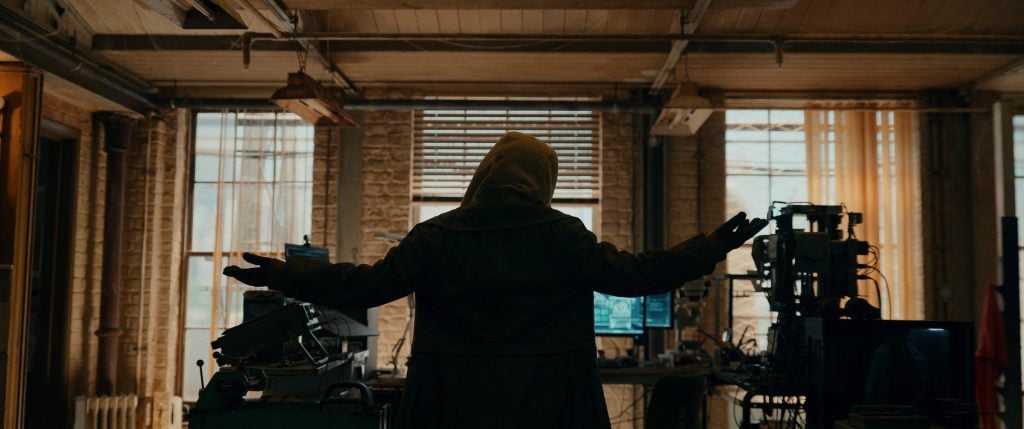
Jean uses her telepathic abilities to take control of several people as she attempts to reach Department of Damage Control director Bill Metzger.
Among those people are Frank Castle and Bruce Banner.
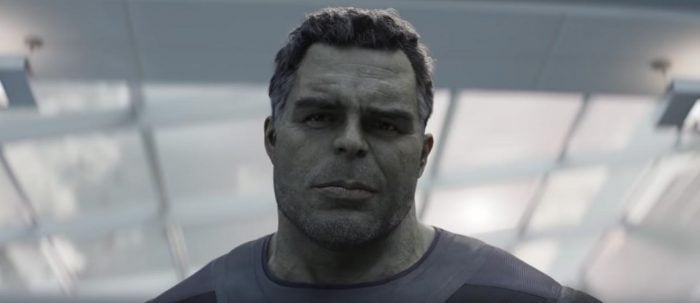
When Jean controls Bruce, he transforms into the intelligent version of Hulk associated with Avengers: Endgame. He can communicate, understand what is happening and resist Jean’s influence rather than behaving like a completely mindless monster.
Hulk eventually forces Jean out of his mind, but the experience appears to damage the balance Bruce created between his personalities. He briefly returns to his human form before transforming again, this time without Banner’s intelligence or control holding the Hulk back.
The Savage Hulk emerges.
Spider-Man and the Punisher are then forced to contain a rampaging Hulk who sees nearly everyone around him as a threat. Peter’s webs and Frank’s weapons can slow him down, but neither hero possesses the physical strength to defeat him directly.
For longtime Hulk fans, the sequence delivers the kind of spectacle the MCU has largely avoided since the character’s earlier appearances. Hulk is not a friendly celebrity taking selfies in a diner. He is not a supporting scientist wearing glasses and explaining time travel. He is a disaster unfolding in real time.
The problem is that the movie never fully explains what this transformation means for Bruce’s future.
Was Smart Hulk Ever A Genuine Balance?
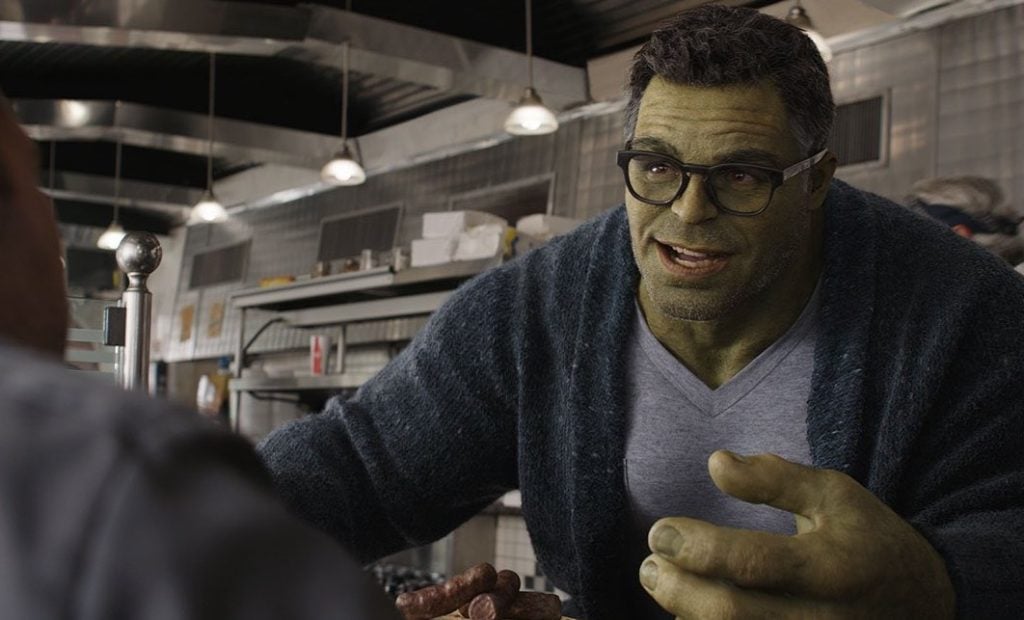
Avengers: Endgame introduced Smart Hulk after its five-year time jump. Bruce explained that he had spent eighteen months experimenting with gamma radiation until he could combine Banner’s intelligence with Hulk’s strength.
The solution appeared permanent.
Bruce no longer treated Hulk as a separate being he needed to fear. He presented the transformation as a healthy reconciliation between two sides that had spent years fighting for control of the same body.
However, the actual process occurred entirely offscreen. Audiences never saw Bruce speak with Hulk, earn his cooperation or confront the anger that had existed between them since the beginning of the MCU.
Bruce simply returned with the conflict apparently resolved.
Brand New Day now suggests that the resolution may have been far less stable than Bruce believed. If telepathic interference can remove Banner’s control and allow Savage Hulk to return, then Smart Hulk may not have represented a true merger.
Bruce may have placed his own mind in control of Hulk’s body while pushing the original personality somewhere deeper.
That would explain why the Savage Hulk who emerges feels so angry. From his perspective, Bruce did not create peace. He silenced him.
The idea could become the foundation of a fascinating Hulk story, especially if Bruce must acknowledge that treating Hulk as a condition to suppress has only made their relationship worse.
Unfortunately, Brand New Day raises that possibility without providing a clear answer.
The Inhibitor Creates Another Continuity Question
Bruce’s inhibitor is not entirely new.
Shang-Chi and the Legend of the Ten Rings showed Ruffalo in human form after Endgame, surprising viewers who believed he could no longer transform back from Smart Hulk.
She-Hulk: Attorney at Law later explained that Bruce had created an inhibitor allowing him to remain human while his injured arm recovered. The device broke during the accident that exposed Jennifer Walters to his blood, causing Bruce to transform into Smart Hulk again.
By the end of the series, Bruce appeared perfectly comfortable in that form.
Brand New Day presents him in human form once again, using another inhibitor to prevent Hulk from emerging. That means something changed between his final appearance in She-Hulk and his new life at Empire State University.
The movie does not explain what happened.
Perhaps Bruce decided that remaining Smart Hulk was unhealthy. Maybe Hulk became more difficult to control. Bruce could also have concluded that living permanently inside a gamma-powered body prevented him from having anything resembling a normal life.
Any of those explanations could work, but Marvel leaves audiences to fill in the gap themselves.
That has become a recurring problem with the character. Major stages of Bruce’s life happen between projects, while his appearances focus on how he can support someone else’s story.
Marvel Still Has Not Followed Up On Skaar
The most obvious missing piece is Bruce’s son.
The finale of She-Hulk: Attorney at Law revealed that Bruce had returned from Sakaar with Skaar, a young gamma-powered character who is his son.
The introduction should have changed Bruce’s life completely. He went from believing himself to be isolated by his condition to learning that he had a child who inherited some version of the same power.
Marvel offered no explanation of Skaar’s mother, his upbringing, his relationship with Bruce or why he suddenly came to Earth. Bruce simply introduced him during a family gathering, and the series ended.
Brand New Day does not mention him.
That absence becomes difficult to ignore once Bruce loses control. If Skaar is living on Earth, where is he while his father is struggling to contain the Hulk? Does he know what happened? Is he capable of helping Bruce, or would seeing Savage Hulk create an even larger conflict?
There may be perfectly reasonable answers. Skaar could be somewhere else, living independently or learning to manage his own abilities. The larger issue is that Marvel introduced him as a major development and then allowed years to pass without continuing the story.
The MCU Has Built An Entire Hulk Corner Without Hulk
Bruce’s uncertain future becomes even stranger when considering how many pieces of Hulk mythology Marvel has placed throughout the MCU.
Jennifer Walters became She-Hulk and learned to control her transformations almost immediately. Emil Blonsky returned as Abomination and attempted to build a new life after prison. Skaar arrived from Sakaar with no explanation of what he had experienced there.
Captain America: Brave New World then returned to several characters and ideas from 2008’s The Incredible Hulk. Thaddeus Ross became Red Hulk, Samuel Sterns finally emerged as the Leader and Betty Ross returned after an absence of more than fifteen years.
Those developments could form the supporting cast of a substantial Hulk story.
Bruce could be surrounded by people whose lives were transformed by gamma radiation, including a cousin who embraces her abilities, a son he barely knows and an old enemy who became the very kind of creature he spent his life hunting.
Instead, those characters remain scattered across unrelated movies and television series.
Bruce does not confront Red Hulk. He does not reunite with Betty. He does not respond to the Leader’s return. His relationship with Skaar remains unexplored, while his connection with Jennifer has not continued beyond her series.
The MCU has quietly assembled an entire Hulk universe without giving Hulk a story at its center.
Hulk Keeps Becoming A Guest In Someone Else’s Movie
Mark Ruffalo has played Bruce Banner since The Avengers in 2012, but he has never led a standalone MCU movie.
The character has instead developed through other franchises.
Thor: Ragnarok incorporated elements of the Planet Hulk storyline into Thor’s journey. Avengers: Infinity War began a conflict between Bruce and Hulk that was resolved during the time jump before Endgame. She-Hulk used Bruce as a mentor before introducing his son, and Brand New Day turns him into both an adviser and a physical obstacle for Peter Parker.
None of those appearances are necessarily bad. Ruffalo remains entertaining, and Hulk frequently brings something valuable to another hero’s story.
The accumulated effect is still frustrating.
Bruce’s life is treated as connective material. He arrives with a new status quo, helps another character and leaves before the emotional consequences can be explored.
Brand New Day repeats that pattern. The movie reopens the most important conflict in Bruce’s life but does not have the space to examine what it means because the story ultimately belongs to Peter and Jean.
Savage Hulk’s Return Could Still Lead Somewhere Meaningful
Despite those concerns, bringing back Savage Hulk is not automatically a regression.
Bruce deciding that he had permanently solved his condition was always unlikely to be the end of the character’s story. Hulk represents trauma, anger and survival instincts that cannot be removed through a convenient scientific procedure.
A stronger story would reveal that Smart Hulk was a temporary stage rather than Bruce’s final form.
Bruce may need to stop searching for a version of himself that places one personality above the other. Instead of forcing Hulk into silence or taking control of his body, he may have to understand why Hulk exists and what he wants.
The comics have explored numerous Hulk personalities, each reflecting a different part of Bruce’s psychological history. The MCU has mostly simplified that idea into Banner and the angry “other guy,” but Brand New Day creates an opportunity to go deeper.
Savage Hulk could be furious because Bruce suppressed him. Smart Hulk could be a separate compromise personality rather than a perfect union. Other forms could emerge as Bruce’s mental barriers continue breaking down.
That approach would turn the apparent inconsistency into an intentional story about a man who tried to cure himself without confronting the source of his pain.
Hulk Needs A Story That Actually Belongs To Him
Marvel does not necessarily need to announce a traditional standalone Hulk movie to resolve these issues.
A Disney+ series, special presentation or ensemble film centered on the gamma-powered characters could work. The format matters less than making Bruce the emotional focus rather than another hero’s supporting player.
The story already has everything it needs.
Bruce has lost control of Hulk again. Skaar needs a father. Jennifer represents a healthier relationship with gamma power. Ross has become Red Hulk, while Betty and Sterns have returned to the MCU.
Those pieces could support a story about family, inherited trauma and the destructive consequences of trying to control every part of oneself.
They could also finally allow Ruffalo to explore Bruce as more than the Avengers’ resident scientist or the friendly celebrity version of Hulk introduced in Endgame.
Marvel has not publicly confirmed where the character will appear next. That makes the ending of his Brand New Day storyline feel less like a clear setup and more like another unresolved change waiting for a future project to explain it.
Brand New Day Gives Hulk His Anger Back, But Not His Direction
Spider-Man: Brand New Day succeeds in reminding audiences why Hulk can be terrifying.
When Savage Hulk returns, Spider-Man and the Punisher are no longer dealing with another superhero who can be reasoned with. They are trying to survive a force capable of turning an ordinary New York confrontation into a catastrophe.
That is the Hulk many viewers have wanted to see again.
However, restoring the rage is not the same as giving the character a meaningful future.
Bruce now has more unresolved relationships, transformations and personal conflicts than at any previous point in the MCU. Marvel has introduced the material for an ambitious Hulk story but continues placing its most important developments inside projects devoted to other heroes.
Brand New Day may mark the return of Savage Hulk, but it does not answer what Bruce has become, what happened to the balance established in Endgame or how Skaar fits into his life.
After fourteen years of Ruffalo’s Hulk, Marvel no longer needs another surprising transformation. It needs to decide where the character is actually going.

Elara is a dynamic writer and blogger who specializes in pop culture and movie reviews. With a background in film studies and journalism, she combines her deep knowledge of the entertainment industry with a sharp, insightful writing style that keeps readers coming back for more.