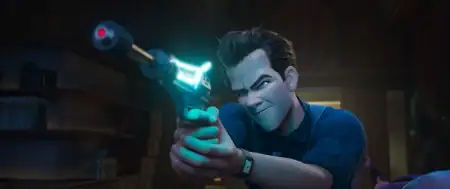
Pop culture ideas often feel fully alive long before they have any finished visuals. A fan trailer concept can sound perfect in a group chat. A character reimagining can feel obvious in your head. A reboot pitch, alternate casting idea, or crossover concept can carry real energy before a single frame exists. The problem is that fandom creativity moves fast, while visual execution usually moves much slower.
That is where Kling 3.0 API becomes interesting for creators and workflow teams building around entertainment-focused ideas. Its value is not just video output in the abstract. Its value is giving pop culture concepts a faster route into visible form, especially when the goal is to test trailer energy, character presence, or the mood of a larger fictional idea.
Pop Culture Ideas Need Visual Energy Before They Feel Real
A lot of fandom creativity depends on atmosphere. A trailer-style concept works because it suggests tension, scale, and momentum. A character visual works because it captures mood, silhouette, styling, and screen presence. A concept video works because it helps people feel what the idea could be, not just understand it.
That makes visual speed unusually important in pop culture creation. Text alone can carry a pitch, but it rarely carries the same immediate charge as a convincing visual draft.
Fan Concepts Often Sound Great Before They Look Right
A fake sequel trailer, a darker reboot angle, or an alternate version of a famous character can be exciting on paper and still fall flat once visuals enter the picture. The transition from idea to image is where a lot of fan concepts either gain momentum or lose it.
Faster Experimentation Helps Fandom Ideas Evolve
Fandom culture thrives on trying things quickly. One version may lean darker, another more nostalgic, another more anime-inspired, another more cinematic. That kind of experimentation becomes easier when the visual layer arrives earlier.
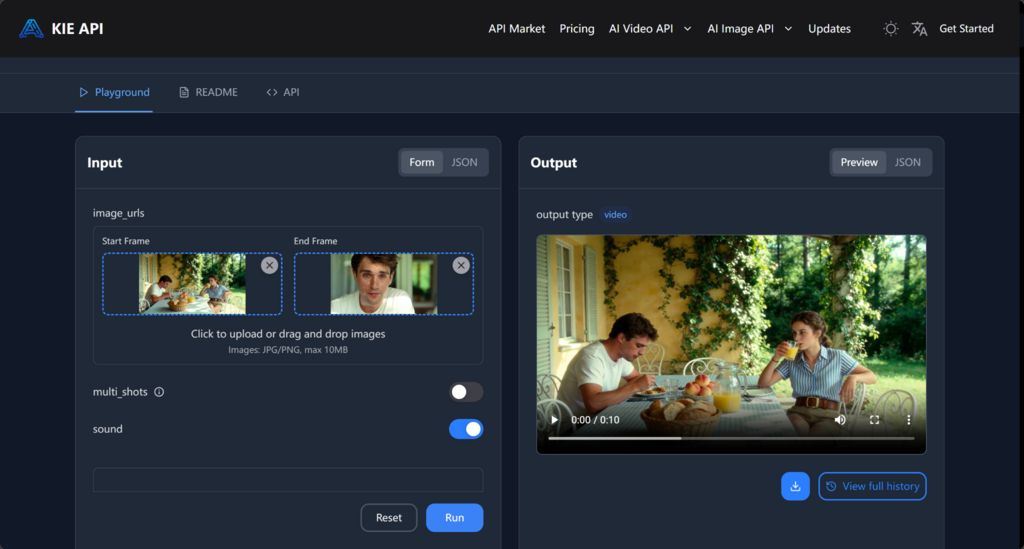
Kling 3.0 API Helps Turn Fan Trailer Ideas Into Visual Drafts
Fan trailers are one of the most natural use cases here because trailer logic is built around impact. A trailer does not need to explain everything. It needs to establish tone, suggest stakes, and leave people wanting more. That makes rough visual drafting more valuable than perfect polish in the early stage.
A creator with a strong concept for a franchise spinoff, superhero reinterpretation, game adaptation, or horror-action crossover can use Kling 3 API to move from idea into something visible enough to judge. Once there is a draft, it becomes much easier to see whether the concept actually carries the energy it promised.
Trailer Hooks Matter More Than Full Story Structure
Most fan trailers live or die in their first few beats. A strong opening image, a suggestive world, or one dramatic visual turn often matters more than complete narrative clarity.
Rough Visual Drafts Make Better Comparison Possible
A creator can test whether one direction feels more brutal, more epic, more grounded, or more neon-soaked than another. That kind of comparison is hard to do honestly without visual output.
Character Visuals Are One of the Most Natural Fits
Character-driven content has always been central to fandom. Many pop culture communities do not need an entire short film to engage with an idea. Sometimes one visual moment is enough: a redesigned suit, a changed tone, an alternate-era version of a hero, or a villain framed with stronger cinematic menace.
That is one reason Kling AI 3.0 feels so relevant in this space. Creators are often not trying to build an entire finished production. They are trying to capture presence. Character visuals work when they make a familiar figure feel newly vivid, dramatic, or emotionally charged.
Character Presence Carries More Weight Than Plot in Many Fan Concepts
A lot of shareable fan content is built around the feeling of a character, not a complete storyline. That feeling can come from posture, mood, costume direction, lighting, and the implied world around them.
Mood and Style Matter as Much as Recognition
Recognition gets attention. Style keeps attention. A visual concept that feels cinematic, moody, or emotionally specific tends to travel further than one that is merely recognizable.
Pop Culture Concepts Get Easier to Test When Visuals Arrive Early
The broader value of Kling video 3.0 is that it helps creators and visual teams test ideas before they have invested too much in one direction. A reboot concept, animated adaptation idea, sci-fi reinterpretation, or game-inspired trailer treatment becomes easier to assess once there is something visible to react to.
That matters because fandom often works through comparison. People want to see alternate takes side by side. They want to feel which version has stronger energy, stronger atmosphere, or stronger cinematic potential.
Reboots, Spinoffs, and Alternate Takes Need Fast Visualization
The more speculative the idea, the more useful early visuals become. A concept that sounds wild in text can suddenly feel convincing once it has tone and movement.
Visual Drafts Help Tone Decisions Happen Earlier
A concept may need to feel darker, cleaner, more emotional, or more trailer-ready. Those decisions get easier once the tone is visible rather than theoretical.
Better Results Usually Start With Strong References
Creators working with established pop culture ideas usually get better results when they already know what kind of mood, setting, and character emphasis they want. A vague “make it epic” instruction rarely carries enough direction. More specific references tend to produce visuals that feel more cinematic and more internally coherent.
That is especially true when teams are building around familiar franchise aesthetics, genre expectations, or iconic character traits. A well-defined prompt and strong references give Kling AI API workflows a better chance of producing something that feels worth sharing.
Character References Improve Consistency
When the look, mood, or visual identity of a character is already clear, the resulting concept usually feels more stable and more believable.
Specific Prompting Helps Pop Culture Concepts Feel More Cinematic
Mood, pacing, setting, and framing cues do more work than generic hype language. Better direction usually creates stronger screen presence.
Kling 3.0 API Works Best as a Concept and Creativity Layer
The most realistic way to think about Kling AI API is not as a replacement for all the taste, editing, and judgment behind great fan content. It works best as a concept layer: a faster path from pop culture idea to visual draft. That is where the real value sits for creators and teams experimenting with trailers, character-focused content, and broader fandom concepts.
What makes Kling 3.0 API worth watching is not the promise of instant perfection. It is the way it helps fan concepts, trailer-style ideas, and character-driven visuals start feeling real much earlier in the creative process.

Sandra Larson is a writer with the personal blog at ElizabethanAuthor and an academic coach for students. Her main sphere of professional interest is the connection between AI and modern study techniques. Sandra believes that digital tools are a way to a better future in the education system.