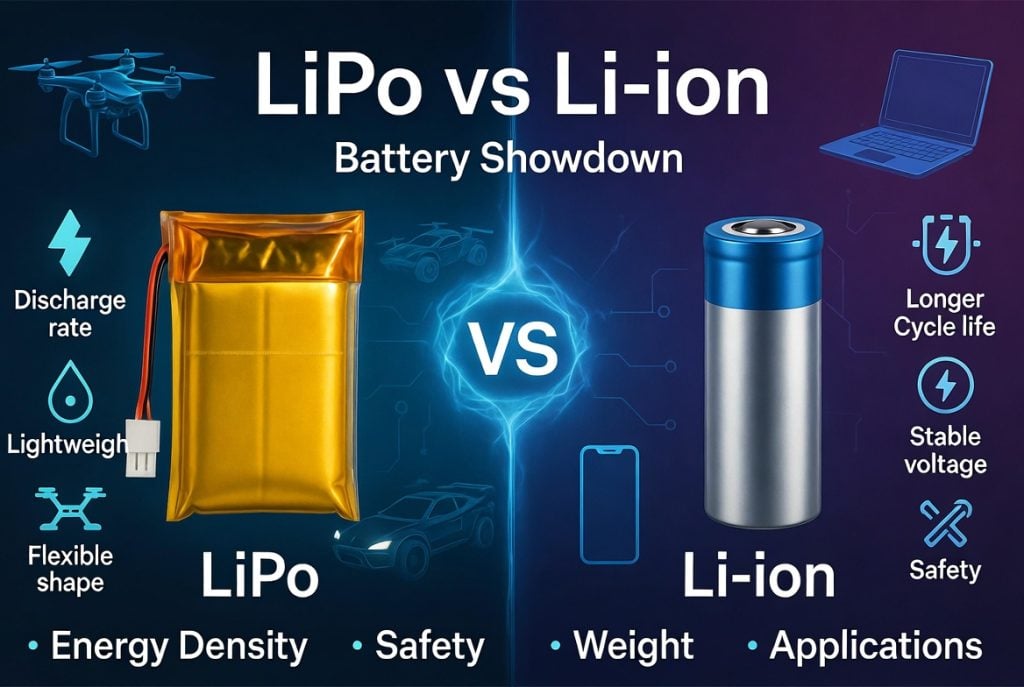
When it comes to rechargeable batteries, understanding the differences between Lipo and Li-Ion batteries is crucial. Explore their unique characteristics and applications!
What are Lipo Batteries?
Lipo batteries, or Lithium Polymer batteries, are a type of rechargeable battery that has gained significant popularity in various industries due to their high energy density and lightweight characteristics. These batteries are composed of a polymer electrolyte which allows for a thinner and more flexible cell architecture. This flexibility is one of the primary reasons for the widespread use of Lipo batteries in applications where space and weight are critical considerations. The polymer electrolyte in Lipo batteries is typically a gel-like substance, which differs from the liquid electrolyte found in other types of batteries.
One of the defining features of li-po battery is their ability to deliver high discharge rates, making them suitable for applications that require bursts of power. This includes remote-controlled vehicles, drones, and various electronic devices. Their high discharge rate capability makes them a preferred choice for performance-driven applications. Moreover, Lipo batteries can be manufactured in almost any shape and size, providing designers with the flexibility to integrate them into complex and compact devices seamlessly.
Despite their numerous advantages, Lipo batteries also come with certain drawbacks, particularly concerning safety. They are more prone to swelling and can catch fire if overcharged, punctured, or improperly handled. This necessitates the use of specialized chargers and protective circuits to ensure safe operation. Understanding the nuances of Lipo batteries, including their construction, performance characteristics, and safety requirements, is essential for maximizing their benefits while mitigating potential risks.
What are Li-Ion Batteries?
Li-Ion batteries, or Lithium-Ion batteries, are another popular type of rechargeable battery that has found widespread usage in a multitude of applications, from consumer electronics to electric vehicles. Unlike Lipo batteries, Li-Ion batteries use a liquid electrolyte and have a more rigid and cylindrical or rectangular casing. This design makes them less flexible in terms of shape but offers a robust and durable construction. Li-Ion batteries are known for their high energy density, long cycle life, and relatively stable performance.
The chemistry of Li-Ion batteries involves the movement of lithium ions between the anode and cathode during charging and discharging cycles. This movement of ions is facilitated by the liquid electrolyte, which is typically a lithium salt dissolved in an organic solvent. The materials used for the anode and cathode can vary, influencing the battery’s overall performance, energy density, and cost. Common materials include lithium cobalt oxide, lithium iron phosphate, and lithium manganese oxide, each offering distinct advantages and trade-offs.
Li-Ion batteries are renowned for their high energy-to-weight ratio, which makes them ideal for portable electronics such as smartphones, laptops, and tablets. They also have a relatively low self-discharge rate, meaning they can hold their charge for extended periods when not in use. However, like Lipo batteries, Li-Ion batteries also require careful handling and protection against overcharging, overheating, and short circuits to prevent safety incidents. The widespread adoption of Li-Ion batteries is a testament to their versatility and reliability in various applications.
Key Differences Between Lipo and Li-Ion Batteries
While both Lipo and Li-Ion batteries belong to the broader category of lithium-based rechargeable batteries, they exhibit several key differences in their construction, performance, and applications. One of the most apparent differences lies in their electrolyte composition. Lipo batteries use a polymer electrolyte, which can be gel-like or solid, allowing for greater flexibility in the battery’s shape and size. In contrast, Li-Ion batteries use a liquid electrolyte, which typically confines them to more rigid and standardized shapes such as cylindrical or rectangular forms.
Another significant difference is in their energy density and weight. Lipo batteries generally offer higher energy density compared to Li-Ion batteries, meaning they can store more energy relative to their weight. This characteristic makes Lipo batteries particularly advantageous in applications where weight and space are critical constraints, such as in drones and remote-controlled vehicles. On the other hand, Li-Ion batteries, while slightly heavier, provide a robust and durable solution with a longer cycle life, making them ideal for consumer electronics and electric vehicles.
Safety is another critical area where Lipo and Li-Ion batteries differ. Lipo batteries are more susceptible to swelling and can pose significant safety risks if not properly managed, including the potential for fire and explosion. This necessitates the use of specialized chargers and protective circuits. Li-Ion batteries, although not immune to safety issues, are generally considered safer due to their more stable liquid electrolyte and robust casing. However, they still require protective mechanisms to prevent overcharging, overheating, and short circuits. Understanding these key differences is essential for selecting the appropriate battery type for specific applications.
Performance Characteristics: Lipo vs Li-Ion
When comparing the performance characteristics of Lipo and Li-Ion batteries, several factors come into play, including energy density, discharge rates, cycle life, and operating temperatures. Lipo batteries typically boast higher energy density, meaning they can store more energy per unit of weight compared to Li-Ion batteries. This makes them particularly suitable for applications where weight savings are crucial, such as in aviation, portable electronics, and high-performance remote-controlled vehicles.
Discharge rates are another area where Lipo batteries excel. They can deliver higher current outputs, which is beneficial for applications requiring quick bursts of power. For instance, in the world of racing drones, the ability to discharge rapidly can provide the necessary thrust and agility. Li-Ion batteries, while capable of high discharge rates, generally do not match the peak performance levels of Lipo batteries. However, Li-Ion batteries compensate with a longer cycle life, meaning they can endure more charge and discharge cycles before their capacity significantly diminishes. This makes them a preferred choice for applications where longevity and reliability are paramount, such as in electric vehicles and consumer electronics.
Operating temperature ranges also differ between the two battery types. Lipo batteries can be more sensitive to extreme temperatures, both hot and cold, which can impact their performance and safety. They require careful thermal management to ensure optimal operation. Li-Ion batteries, on the other hand, offer better performance across a wider temperature range, making them more versatile in various environmental conditions. This characteristic enhances their suitability for a broader range of applications, from handheld devices to large-scale energy storage systems. Understanding these performance characteristics helps in making informed decisions when selecting between Lipo and Li-Ion batteries.
Safety Considerations for Lipo and Li-Ion Batteries
Safety is a paramount consideration when dealing with rechargeable batteries, and both Lipo and Li-Ion batteries come with their own set of safety challenges and requirements. Lipo batteries, with their polymer electrolyte, are more prone to issues such as swelling, overheating, and, in severe cases, catching fire. This is often a result of overcharging, physical damage, or improper handling. To mitigate these risks, it is crucial to use chargers specifically designed for Lipo batteries, which include protective circuits to prevent overcharging and thermal runaway.
Li-Ion batteries, while generally safer than Lipo batteries, also require careful handling to avoid safety incidents. They are susceptible to thermal runaway if overcharged, which can lead to overheating and potentially fire. Most modern Li-Ion batteries come equipped with built-in safety features such as overcharge protection, thermal cut-offs, and short-circuit protection. These features are essential in preventing accidents and ensuring the safe operation of the batteries in various applications. It is also important to use chargers that match the specifications of the Li-Ion batteries to avoid overcharging and overheating.
Proper storage and handling are vital for both Lipo and Li-Ion batteries. Lipo batteries should be stored in a cool, dry place and ideally in a fireproof container. They should never be punctured or subjected to physical stress. Li-Ion batteries should also be stored in a cool, dry environment and kept away from direct sunlight or excessive heat sources. Regular inspection of the batteries for any signs of damage, swelling, or leakage is important for ensuring their safety. Understanding and adhering to these safety considerations is crucial for preventing accidents and prolonging the lifespan of the batteries.
Applications of Lipo Batteries
Lipo batteries have found their niche in several high-performance and space-constrained applications due to their lightweight and flexible design. One of the most prominent uses of Lipo batteries is in the realm of remote-controlled (RC) vehicles, including cars, boats, and especially drones. The high energy density and ability to deliver rapid bursts of power make them ideal for these applications where performance and agility are paramount. The flexibility in shape and size allows for the seamless integration of Lipo batteries into the compact and often irregularly shaped compartments of RC vehicles.
Another significant application of Lipo batteries is in the field of portable electronics. Devices such as smartphones, tablets, and digital cameras benefit from the thin and lightweight characteristics of Lipo batteries. These batteries enable manufacturers to design slimmer and more compact devices without sacrificing battery life. Additionally, the high discharge rates of Lipo batteries support the power-hungry components of modern electronics, such as high-resolution displays and powerful processors. This combination of high energy density and form factor flexibility makes Lipo batteries a preferred choice in the consumer electronics industry.
Lipo batteries are also increasingly being used in wearable technology and medical devices. The ability to customize the shape and size of the battery to fit the unique form factors of wearable devices, such as smartwatches and fitness trackers, is a significant advantage. In the medical field, Lipo batteries power devices like portable defibrillators, hearing aids, and other critical medical equipment where reliability and compactness are essential. The ongoing advancements in Lipo battery technology continue to expand their applications, driving innovation in various industries.
Applications of Li-Ion Batteries
Li-Ion batteries have become the cornerstone of modern portable electronics and electric vehicles due to their high energy density, long cycle life, and reliable performance. In the consumer electronics sector, Li-Ion batteries power a vast array of devices, including smartphones, laptops, tablets, and cameras. Their relatively low self-discharge rate and high energy-to-weight ratio make them ideal for these applications, providing users with long-lasting power in compact and lightweight designs. The ability to withstand numerous charge and discharge cycles without significant capacity loss further enhances their appeal for daily-use gadgets.
The electric vehicle (EV) industry is another major domain where Li-Ion batteries play a crucial role. The high energy density of Li-Ion batteries allows for the storage of substantial amounts of energy in a compact form, which is essential for extending the driving range of electric cars. Additionally, the long cycle life of Li-Ion batteries ensures that EVs can operate efficiently over many years without frequent battery replacements. The development of advanced Li-Ion battery chemistries, such as lithium iron phosphate (LiFePO4) and nickel cobalt aluminum (NCA), has further optimized performance in terms of safety, energy density, and longevity, making Li-Ion batteries the preferred choice for electric vehicles.
Li-Ion batteries are also extensively used in renewable energy storage systems. As the world shifts towards sustainable energy sources like solar and wind, the need for efficient energy storage solutions has become paramount. Li-Ion batteries provide an effective means of storing energy generated from renewable sources, allowing for a stable and reliable power supply even when the sun isn’t shining or the wind isn’t blowing. These batteries are used in residential solar power systems, grid storage solutions, and backup power supplies, demonstrating their versatility and critical importance in the transition to a more sustainable energy future.
Choosing the Right Battery for Your Needs
Selecting the appropriate battery for your specific application involves a careful consideration of various factors, including energy density, discharge rates, cycle life, safety, and cost. Understanding the unique characteristics and advantages of both Lipo and Li-Ion batteries is essential for making an informed decision. For applications that require high energy density and lightweight characteristics, such as drones, portable electronics, and wearable technology, Lipo batteries are often the better choice. Their ability to deliver rapid bursts of power and flexibility in shape and size provides significant advantages in these scenarios.
On the other hand, if your application demands long cycle life, robust performance, and a wider operating temperature range, Li-Ion batteries are likely to be more suitable. This makes them ideal for consumer electronics, electric vehicles, and renewable energy storage systems. The relatively stable performance and built-in safety features of Li-Ion batteries further enhance their appeal for applications where reliability and longevity are critical considerations. Additionally, the cost implications of each battery type should be taken into account, as Lipo batteries can sometimes be more expensive due to their specialized construction and performance characteristics.
Ultimately, the selection process should also consider the specific requirements and constraints of your project. Factors such as available space, weight limitations, power requirements, and environmental conditions will influence the choice of battery. Consulting with battery experts or manufacturers can provide valuable insights and recommendations tailored to your needs. By carefully evaluating the pros and cons of Lipo and Li-Ion batteries and aligning them with your application requirements, you can ensure optimal performance and safety for your project.
Conclusion and Future of Battery Technology
The ongoing evolution of battery technology continues to shape the landscape of modern electronics, transportation, and energy storage. Both Lipo and Li-Ion batteries have demonstrated their unique strengths and applications, catering to a diverse range of industries and needs. Lipo batteries, with their high energy density, lightweight design, and flexibility, have become indispensable in fields requiring compact and high-performance power solutions. Meanwhile, Li-Ion batteries, known for their durability, long cycle life, and stable performance, have revolutionized consumer electronics, electric vehicles, and renewable energy storage.
Looking ahead, the future of battery technology promises even greater advancements and innovations. Research and development efforts are focused on enhancing the energy density, safety, and environmental sustainability of batteries. Emerging technologies such as solid-state batteries, which replace the liquid electrolyte with a solid material, hold the potential to offer even higher energy densities and improved safety profiles. Additionally, advancements in battery recycling and the development of more sustainable materials aim to reduce the environmental impact of battery production and disposal.
As the demand for efficient and reliable energy storage solutions continues to grow, the importance of understanding the differences between various battery technologies becomes increasingly critical. Whether you are designing the next generation of portable electronics, developing cutting-edge electric vehicles, or implementing renewable energy systems, selecting the right battery technology is a key factor in achieving success. By staying informed about the latest developments and trends in battery technology, you can make strategic decisions that leverage the strengths of Lipo and Li-Ion batteries, driving innovation and progress in your respective fields.

Sandra Larson is a writer with the personal blog at ElizabethanAuthor and an academic coach for students. Her main sphere of professional interest is the connection between AI and modern study techniques. Sandra believes that digital tools are a way to a better future in the education system.