
“You see how this looks, right?”
That line from the trailer for Primetime has captured the public’s imagination for months, becoming a wildly popular meme (Robert Pattinson’s second within a month’s span) with incredible utility. In most cases, it is used to call out troubling behavior or the dissonance between one’s stated beliefs and one’s actions. In an irony-poisoned and increasingly illiterate world, the image of Robert Pattinson with raised hands is very effective.
The implications of that image are the driving force behind Primetime, Lance Oppenheim’s film about the making of To Catch a Predator, the NBC television show dedicated to exposing the prevalence of pedophilia in everyday life. Hosted by the ambitious Chris Hansen (Pattinson), To Catch a Predator became a cultural juggernaut after NBC broke it out from the newsmagazine Dateline NBC into its own primetime slot. Hansen feels the pressure to earn and keep that slot, so he and fellow producer Andie Bender (Merritt Wever) become more audacious and risky in developing the program, from hiring aspiring actor Dan Plumb (Skyler Gisondo) for the sting operations to targeting higher-profile predators. With the world taking notice of the show’s success and either trying to capitalize on or exploit it, Chris and his team must decide what To Catch a Predator actually means.
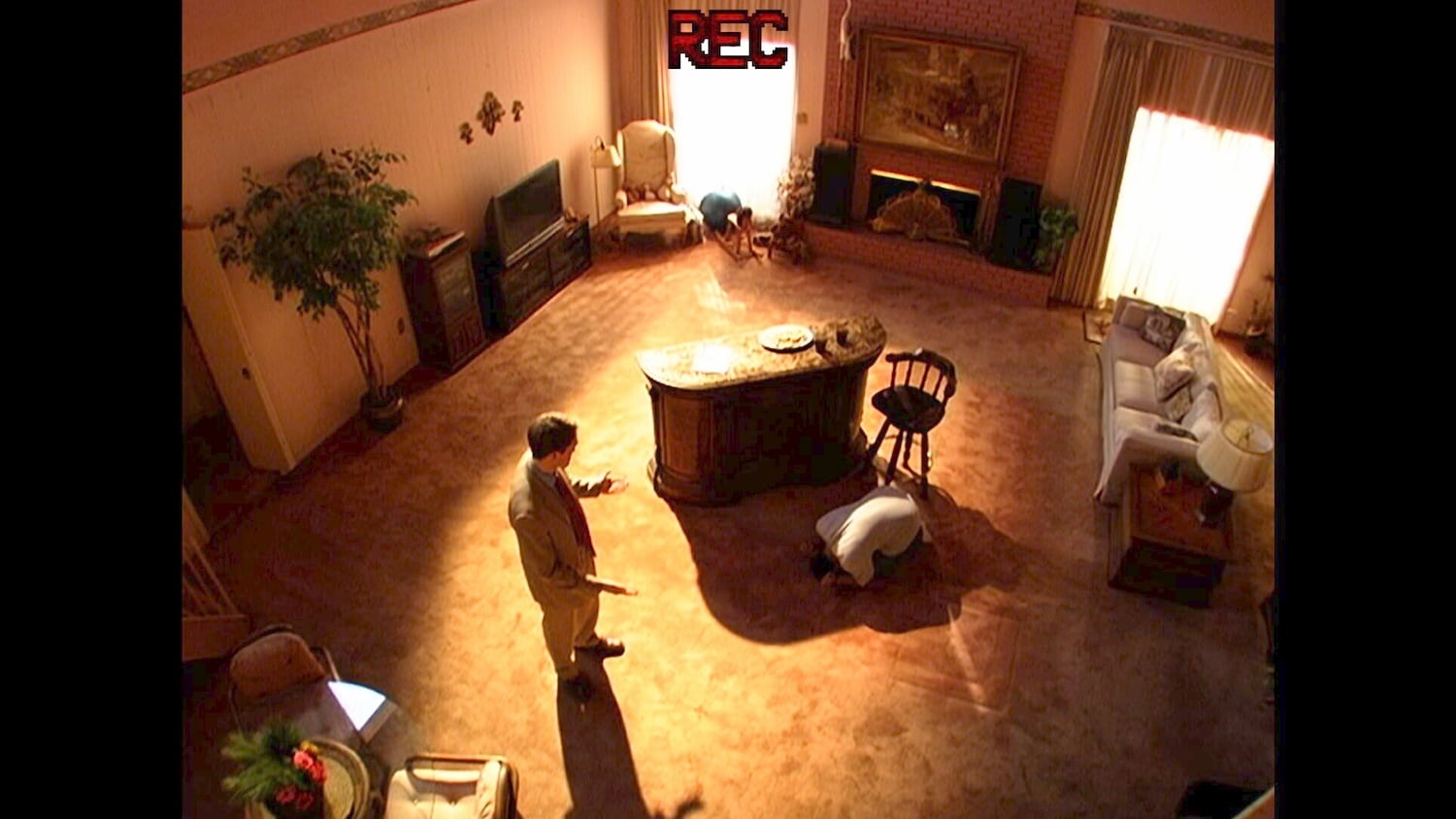
The answer starts with how Primetime is shot. The enterprise’s inherent seediness leaps off the screen through cinematographer David Bolen’s fuzzy, high-contrast compositions and Daniel Garber’s snappy editing. The scenes depicting the actual production of To Catch a Predator blend the burgeoning digital aesthetics of the 2000s with 1970s softcore flicks shown in run-down red-light-district theaters. Predators practically run on a speedy assembly line, with Garber’s metronomic cuts between them effectively communicating not only the staggering number of men committing criminal sexual abuse but also the breadth of the profiles. It reads as if every kind of man you’d encounter in line at the grocery store or on the bus is capable of such depravity. The film’s unabashedly stylish conveyance of this sobering reality is chilling yet strangely captivating. It’s very easy to see To Catch a Predator’s work as vital in combating child predation.
Credit: Courtesy of A24
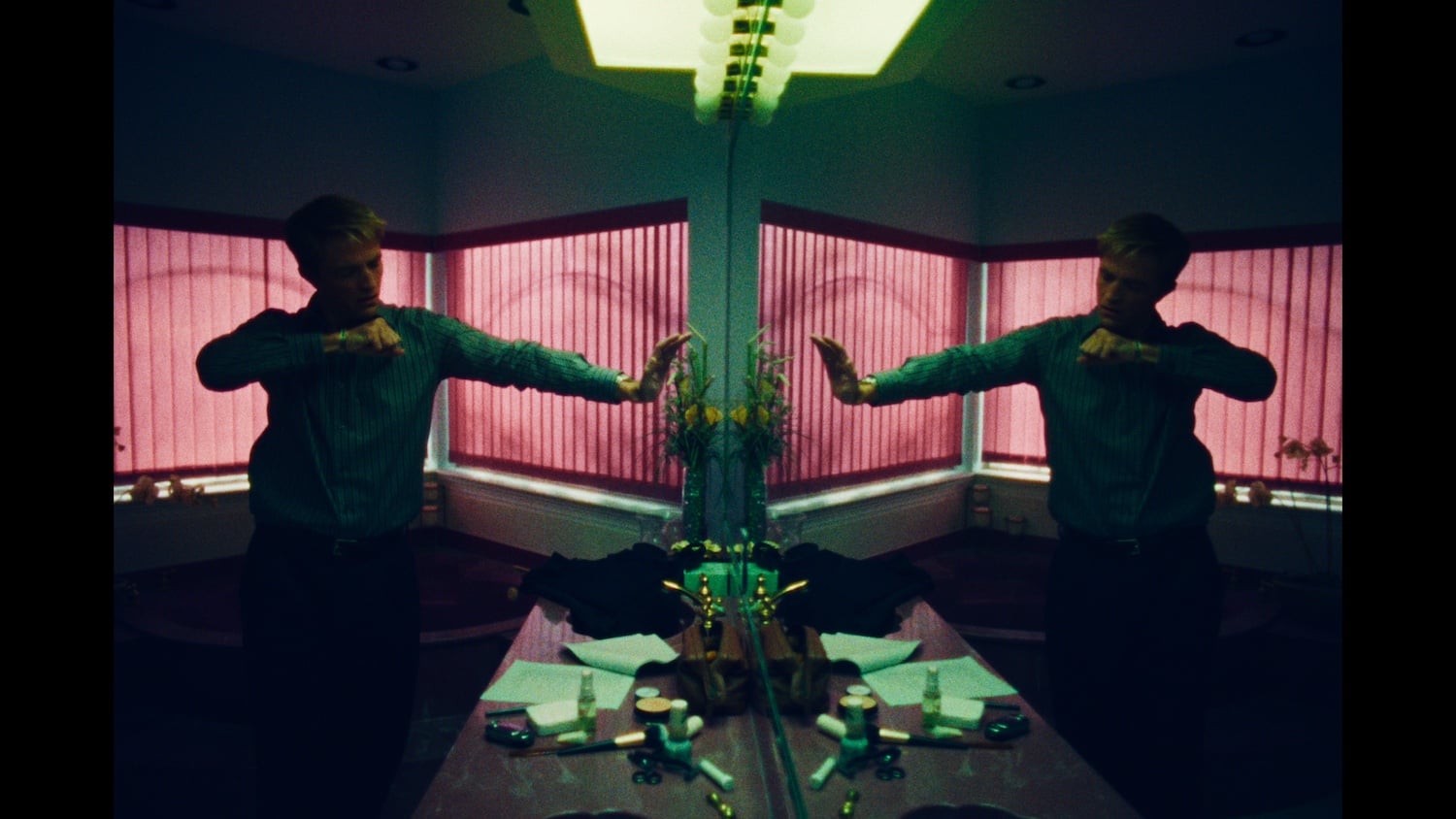
However, vital work doesn’t necessarily or fully justify its means. Primetime doesn’t shy away from the factors driving the series, beyond weeding out child predators. In fact, it spotlights them in brash, bold primary colors. Oppenheim and Bolden cast conversations and confrontations between colleagues and competitors in icy blues and burnt reds and oranges, emphasizing the sinister energy buzzing below the surface. Several scenes wouldn’t look out of place in a horror film, and there is intentionality behind that framing. When Hansen and Dan talk about the importance of their work together after a sting gone wrong, or Andie finds herself shut out of coordination because of her logistical concerns, there is a foreboding sense in the air that something terrible and wholly avoidable will happen. It is horrifying.
That horror stems from the contradictions, hypocrisies, and extraordinary hubris of Primetime’s protagonists. Every character has ulterior motives for their rigor, sometimes superseding the ostensible mission of exposing pedophilia. Andie wants to take down Lost, the ABC cash cow that NBC scheduled To Catch a Predator against. That guiding objective leaves noticeable behavioral gaps, some as harmless as giving Hansen a thumbs-up as he finishes a sting, and as derelict as offering little support to Dan as he struggles after his first sting. (Of note, the lack of psychological protections in reality television was standard for the era.) She eventually notices that their production approach is dangerous, but only in the context of her losing control of the program to Hansen’s spiraling ambitions. Merritt Wever does a great job depicting this tug-of-war, her eyes conveying a mind always at work and fully cognizant of its skills and abilities.
Credit: Courtesy of A24
Dan’s motivations are simpler but gutting: he wants to be a star. He throws himself into preparation, believing it will be his big break. He quickly realizes the truth of To Catch a Predator, especially after a deeply troubling incident during the aforementioned sting. Despite that experience, Dan goes full steam ahead on playing the bait, using the righteousness of Hansen’s cause as a shield for his shattered expectations. (He gets angry when his friend points out that no one’s watching the show for him.) Skyler Gisondo leans into the youthful exuberance he teased in Superman, to excellent effect here. He lays the trauma of his sting bare for all to see in his eyes, and how it lingers in his gung-ho approach to his role. The desperation reaches its zenith when Dan adapts Hansen’s mannerisms and speaking cadence for a segment, an unsettling bit of mimicry and extraordinary work from Gisondo.
And then there is Chris Hansen. Hansen is the logical extreme of everyone else’s motivations. He wants a mega-hit show, and he pushes the boundaries of editorial prudence and safety to achieve it, including pursuing a target that eventually spells the show’s doom. He wants to be a TV star of sociopolitical importance like Stone Phillips, with whom he has a hilarious one-sided beef. He also wants to be a family man without the responsibilities of fidelity or child protection, most harrowingly illustrated by his waking up his sons to play test audience for a segment. And yet, despite these motivations, Hansen does believe in the importance of his work. He wants to have his cake, eat it, and ship the leftovers to the masses. He wants to regale fans on a plane with his exploits, while demurring when those fans call for violent punishment of Hansen’s targets.

Credit: Courtesy of A24
Within the grimy, horror-skewing visual palette, Hansen’s journey to becoming a budding TV icon on a Herculean task in criminal justice is framed as that of a hubristic man, high on his own supply, on the verge of a nervous breakdown. That would explain the appeal of the role to Robert Pattinson, who stars in his third film this year featuring a man undone by self-importance. He delivers another exemplary performance in Primetime. It isn’t quite accurate to say that Pattinson disappears into the role of Chris Hansen. Rather, he uses his unique skills—his sharp accent work, the ungainliness of his movements, and his eyes’ clear-eyed emotion—to fully embody what Hansen represents. Pattinson’s work is one of sharply attuned, multi-layered, and engrossing practiced artifice, where the gears beneath Hansen’s are so loud and visible that you forget that (this version of) Hansen is an actor’s invention.
So, in the spirit of the meme, how does Primetime look? It looks like a searing indictment of media hubris and ego, specifically, how pop-culture narcissism can shroud the importance of just causes. It challenges the entertainment value of real life and asks whether a vehicle for justice can ride-share with water cooler conversations and Primetime Emmy Awards. Finally, it turns the mirror back on us, asking about our tolerance for provocative crimes. The film’s critical and commercial success or failure likely won’t change our collective hunger for true-crime podcasts, Netflix documentaries, and tell-all books that share the same playbook that To Catch a Predator refined and innovated. If anything, it might make us want even more.
But we will see how it looks, right?
Primetime will debut exclusively in theaters on September 25, 2026, courtesy of A24.

Before we let you go, we have officially launched our merch store! Check out all of our amazing apparel when you click here and type in GVN15 at checkout for a 15% discount!
For major deals and money off on Amazon, make sure to use our affiliate link! If you are purchasing any of the latest and best in physical media at MovieZyng, you can support us using our affiliate link.
a searing indictment of media hubris and ego, specifically, how pop-culture narcissism can shroud the importance of just causes.
-
GVN Rating

A late-stage millennial lover of most things related to pop culture. Becomes irrationally irritated by Oscar predictions that don’t come true.