

A Reddit user’s weekend reverse-engineering uncovered surveillance logic buried inside one of Silicon Valley’s most trusted AI tools. What followed was a corporate war nobody saw coming.
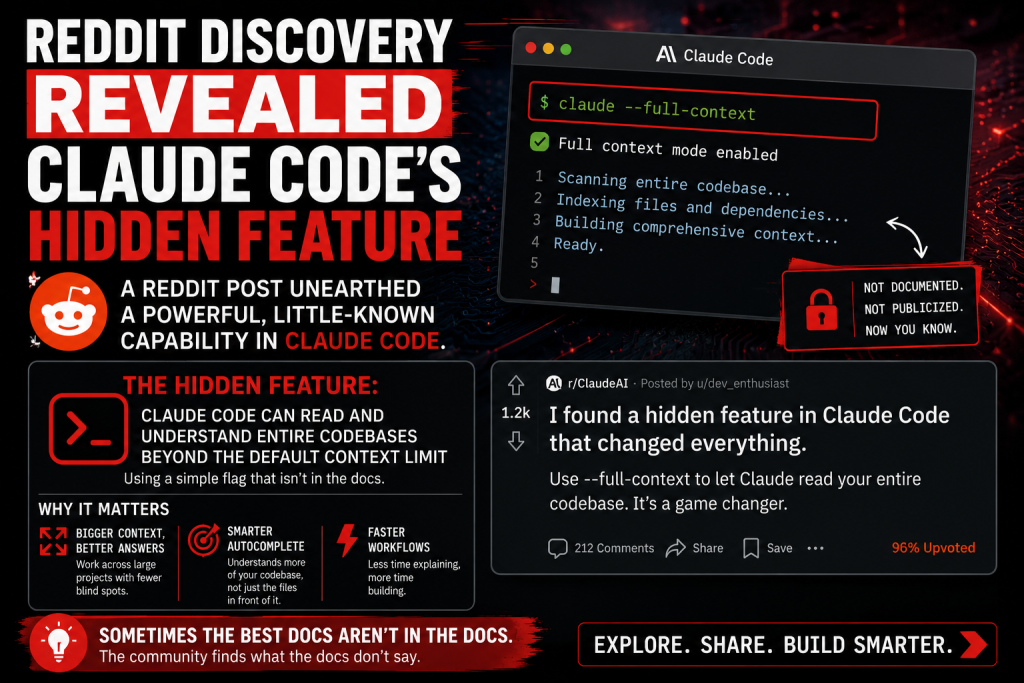
On June 30, a developer called LegitMichel777 reverse-engineered Claude Code on Reddit’s r/ClaudeAI and found detection logic buried inside version 2.1.91 (released on April 2, 2026) with no mention in the changelog.
The code checked system timezones and scanned proxy URLs against a hardcoded list of 147 Chinese entities including Alibaba, Baidu, and ByteDance. The discovery initially attracted little attention, despite coming ahead of Anthropic IPO.
Alibaba did not publicly respond at the time. Its stock, meanwhile, posted gains comparable to those of the top stock gainers, climbing 10% ahead of earnings.
But here’s the part that made security researchers look twice: it didn’t log this in any conventional way. It used steganography: invisibly swapping the date format in the system prompt from dashes to slashes, and replacing a standard apostrophe with one of three visually indistinguishable Unicode characters, each encoding a different detection outcome. The encoded changes were designed to be machine-readable while remaining effectively invisible to users.
Anthropic engineer Thariq Shihipar confirmed the mechanism on X the same day, calling it “an experiment we launched in March” to prevent account abuse and stop model distillation. The pull request removing the code was merged on July 1.
Why did Anthropic feel the need for covert intelligence gathering? The answer lies in a letter dated June 10, 2026, that landed on the desks of Senate Banking Committee Chair Tim Scott and Ranking Member Elizabeth Warren.
Anthropic alleged that operators linked to Alibaba’s Qwen AI lab used roughly 25,000 fraudulent accounts to run 28.8 million exchanges with Claude between April 22 and June 5: the largest model distillation campaign the company has ever documented, outpacing a February 2026 incident involving DeepSeek, Moonshot AI, and MiniMax combined. The objective: extract Claude’s most valuable capabilities in software engineering and agentic reasoning, then retrain a competing model at a fraction of the cost. Bloomberg first reported the letter on June 24.
Alibaba denied everything. Then it banned the tool.
On July 3, an internal notice seen by the South China Morning Post formally classified Claude Code as “high-risk software with security vulnerabilities” and barred all employees from using it at work from July 10.
Reports from Chinese media citing company insiders said the directive went further, and employees were instructed to uninstall all Anthropic products, including Sonnet, Opus, and Fable. The mandated replacement: Qoder, Alibaba’s homegrown coding platform, which launched its enterprise edition the same week.
The situation is deeply ironic. A company that allegedly ran 28.8 million unsanctioned API queries now frames itself as a surveillance victim. Equally ironic is that an AI company currently facing multiple copyright lawsuits is accusing others of capability theft. But the technical complaint has real teeth regardless.
Claude Code requires deep filesystem and shell access to function, meaning any undisclosed monitoring embedded in the tool has access to everything on the developer’s machine. Chinese cybersecurity firm Huorong Security made this point explicitly, flagging cross-border data compliance concerns that go beyond mere transparency.
The code is gone. The damage is not. For Alibaba, the episode provides a convenient exit from dependence on a U.S. tool while strengthening the case for domestic alternatives. For Anthropic, it’s evidence that covert experiments, however defensible in intent, don’t stay covert. And for the AI industry as a whole, it’s a preview of legal and geopolitical conflicts for which no clear rules yet exist.

Sandra Larson is a writer with the personal blog at ElizabethanAuthor and an academic coach for students. Her main sphere of professional interest is the connection between AI and modern study techniques. Sandra believes that digital tools are a way to a better future in the education system.