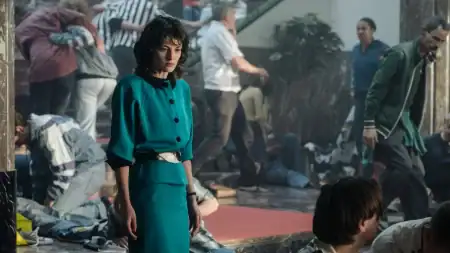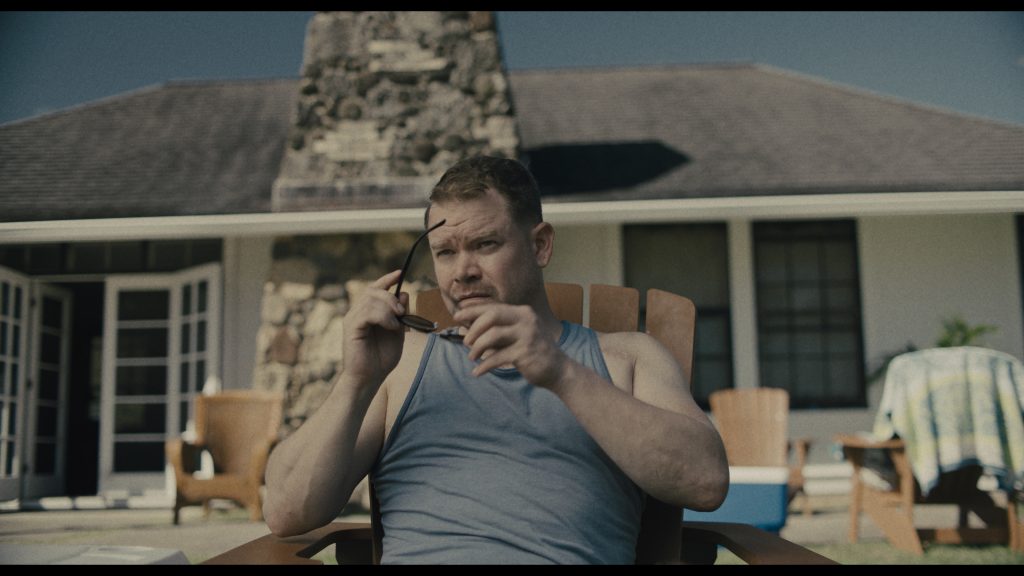
Yana Alliata’s feature debut opens with Ryan (Ryan Wuestewald) driving through Oahu on his way to his sister Meg’s (Nikki DeParis) birthday luau. He quietly talks to himself during the drive and continues to do so even when he arrives and throughout the film. When he arrives, family members and old friends greet him with hugs and remind him of their names and who they are to him. Ryan smiles politely, but it’s immediately obvious that something isn’t right, as he doesn’t recognize his cousins or even places that once felt like home. The audience spends those opening scenes almost as disoriented as he is.
It isn’t long before we learn why. Ryan survived a devastating accident that left him with a traumatic brain injury. His memory is fragmented, and simple conversations require an exhausting amount of concentration. He’s returned to an island full of people who remember exactly who he used to be, while he’s forced to meet many of them as strangers. That perspective gives Reeling its hook and is what keeps the audience glued. Rather than turning Ryan’s condition into a plot device, Alliata smartly builds the film around the uncomfortable reality of what recovery actually looks like. Ryan is surrounded by people who love him, yet he rarely feels included and ends up feeling like an outsider looking in. Every conversation carries the pressure of expectations he can’t possibly meet. His family wants pieces of the old Ryan back, even if they know that version of him no longer exists.
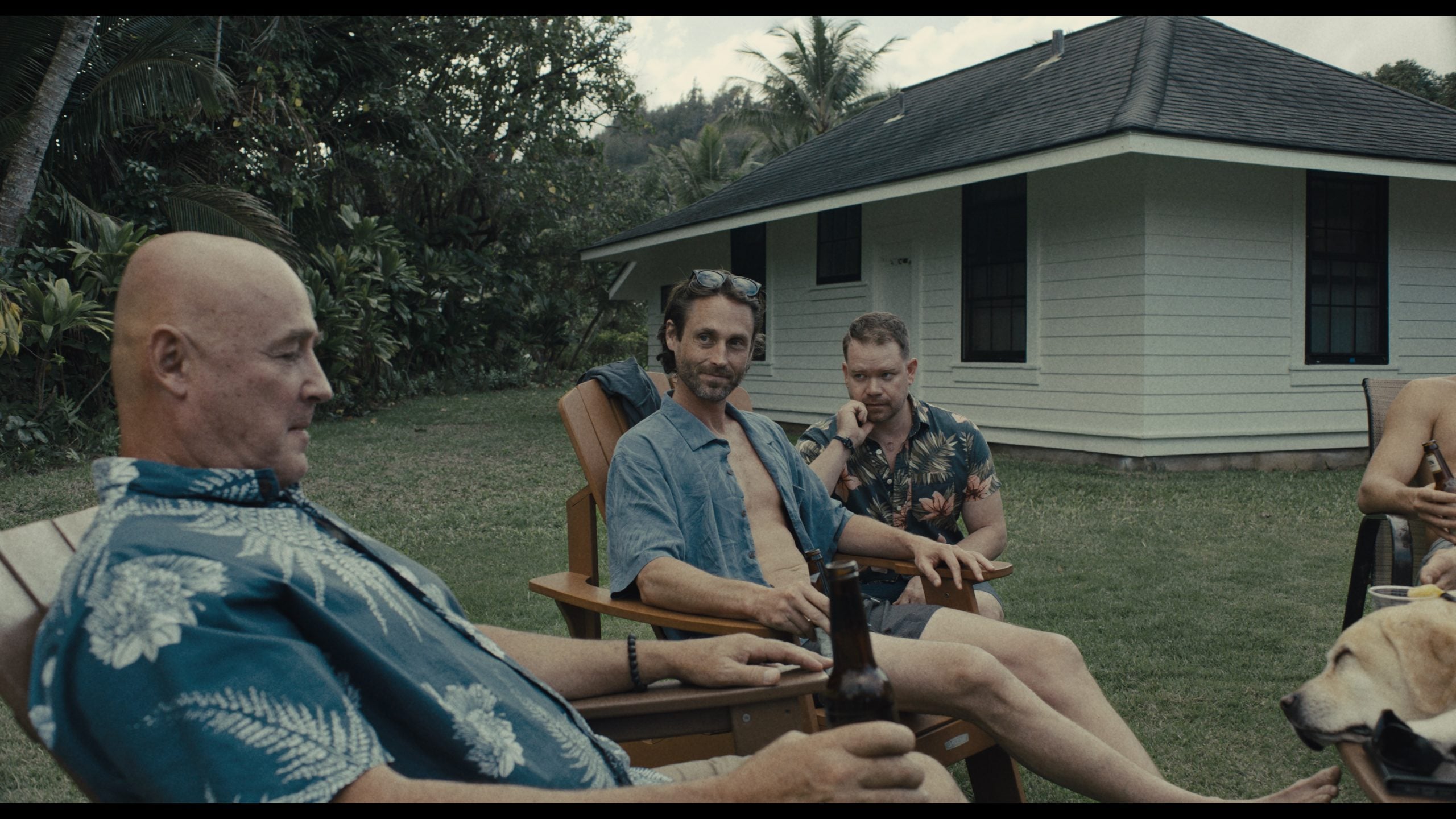
Ryan Wuestewald anchors the film with an impressively natural performance. Nothing about it feels exaggerated, and it feels extremely realistic. He doesn’t ask for sympathy, nor does the screenplay reduce him to JUST his diagnosis. Instead, Wuestewald captures the exhausting mental work happening beneath ordinary interactions. You can see Ryan searching for memories that never arrive, trying to follow conversations that move faster than he can process, and attempting to hide his frustration whenever someone unknowingly reminds him of everything he’s lost.
The supporting cast matches that same grounded approach. Hans Christopher and Nikki DeParis never play Ryan’s siblings as saints or villains. John clearly loves his brother, but, as it’s hinted throughout, he was somewhat involved in the accident, and that guilt and responsibility have left him exhausted, while Meg’s instinct to protect Ryan often slips into treating him like someone incapable of making decisions for himself. Even the extended family and friends contribute to that authenticity. Their awkwardness isn’t malicious; they’re simply unsure how to speak to someone who remembers almost nothing they shared together.

Alliata directs these interactions with remarkable patience. Her direction has a nice confidence to it, especially for a first feature. She trusts discomfort instead of forcing any kind of major emotional moments. There are long stretches where very little happens in a traditional narrative sense, yet the emotional tension keeps building because Ryan never quite finds solid ground. One early sequence, filmed in a continuous take as he makes his way through the party introducing himself to relatives he no longer recognizes, establishes everything the film wants us to understand. Every interaction is basically another reminder that Ryan is living on the outside of his own life. The atmosphere is helped considerably by Michael MacAllister’s score, which quietly supports Ryan’s emotional state and the film’s overall tone. It’s subtle and loud at the same time, and enough that you don’t always notice it’s there, but it fills in the spaces between conversations and helps maintain the film’s reflective mood.
That said, though, it won’t be surprising if most are mixed on the cinematography. There are moments that work beautifully, especially that opening tracking shot through the party, but the overall visual style didn’t completely click. The bright Hawaiian sunlight and saturated colors are clearly meant to contrast Ryan’s internal struggle, placing his emotional pain against an environment full of warmth and celebration, yet there were times when the image felt so brightly exposed that it became distracting. Even so, I’d still take that approach over the muddy, underlit look that so many films seem content with today. To add some more critiques, Reeling loses some momentum in its pacing. I don’t mind slow films when they’re continually revealing something new about their characters, but there are stretches here that linger a little too long without adding much beyond reinforcing emotions we’ve already understood. The patient rhythm fits the story, though it occasionally drifts into repetition, making its already brief runtime feel longer than it actually is.
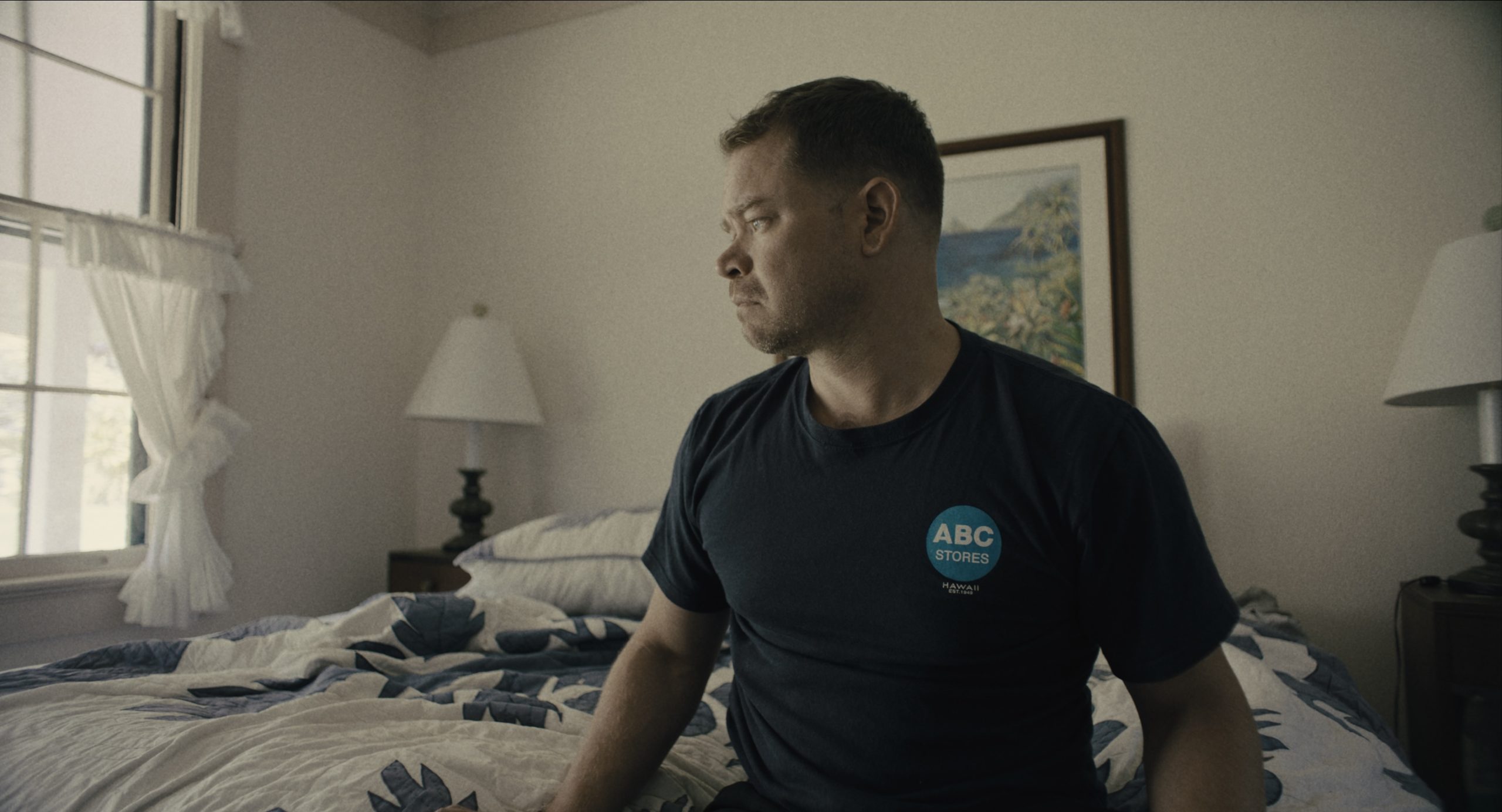
That issue becomes more noticeable because the film runs for less than eighty minutes. Just as Ryan’s relationship with his siblings reaches its most emotionally complicated point, the story begins moving toward its conclusion. The final scenes are intentionally ambiguous, and I can appreciate why Alliata chose to end on uncertainty. Recovery isn’t clean, families don’t resolve years of pain over the course of one evening, and life after a traumatic brain injury rarely offers neat conclusions. Still, this is both a compliment and a complaint, but I wanted to see and spend more time with these characters.
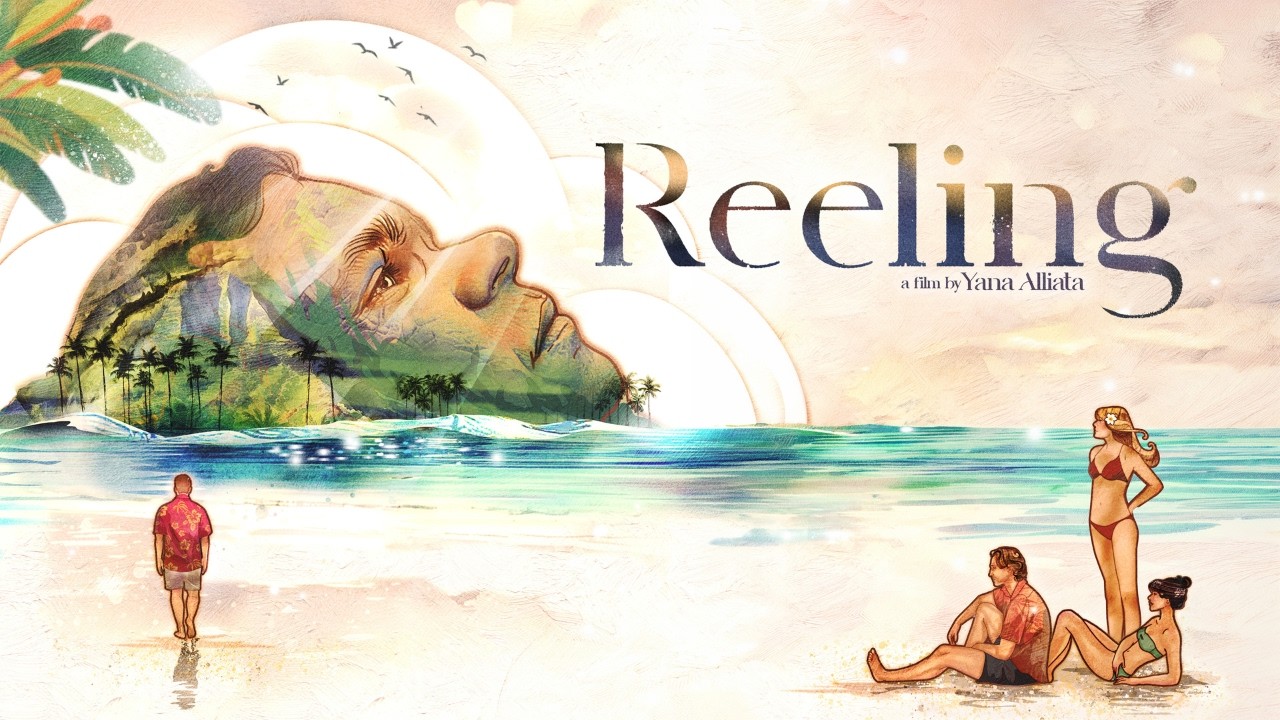
Even with those shortcomings, Reeling is an impressive debut. It makes sense why Werner Herzog wanted to be attached as an executive producer, as this film treats its subject with compassion and understands that some of life’s deepest wounds aren’t visible. More importantly, it never reduces Ryan to his injury. He’s a lot of things like funny, frustrated, vulnerable, stubborn, and deeply human, qualities that make his journey resonate easily and one that lots of people with the same injury will be able to empathize with. It may stumble in its final stretch, but Yana Alliata has crafted a thoughtful and emotionally honest first feature that shows real promise for whatever comes next.
Reeling is currently available on Digital platforms courtesy of Tribeca Films.
Before we let you go, we have officially launched our merch store! Check out all of our amazing apparel when you click here and type in GVN15 at checkout for a 15% discount!
For major deals and money off on Amazon, make sure to use our affiliate link! If you are purchasing any of the latest and best in physical media at MovieZyng, you can support us using our affiliate link.
Yana Alliata has crafted a thoughtful and emotionally honest first feature that shows real promise for whatever comes next.

Roberto Tyler Ortiz is a movie and TV enthusiast with a love for literally any film. He is a writer for LoudAndClearReviews, and when he isn’t writing for them, he’s sharing his personal reviews and thoughts on Twitter, Instagram, and Letterboxd. As a member of the Austin Film Critics Association, Roberto is always ready to chat about the latest releases, dive deep into film discussions, or discover something new.