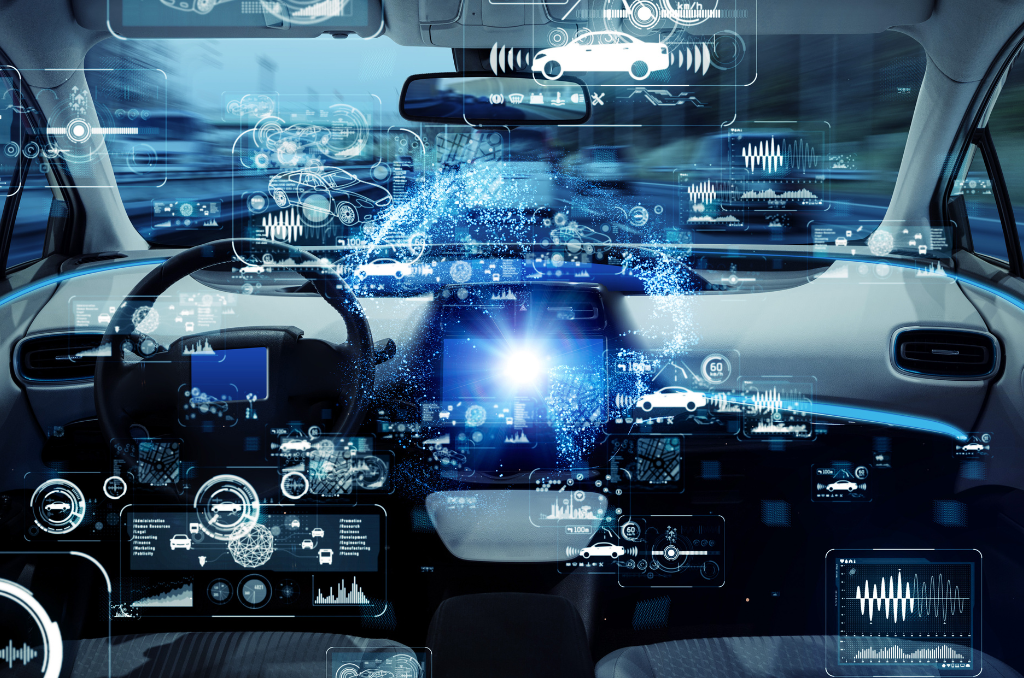
Hybrid vehicles have become one of the most important innovations in modern automotive engineering. They combine traditional internal combustion engines with electric motor systems to deliver better fuel efficiency, lower emissions, and improved driving performance. Over the past two decades, hybrid technology has evolved from a niche concept into a mainstream solution trusted by millions of drivers worldwide. For many consumers researching efficient and dependable hybrid models through a Toyota dealership, understanding the underlying technology helps explain why these vehicles are considered among the most reliable on the road today.
The Core Concept of Hybrid Powertrains
At the heart of every hybrid vehicle is a dual-power system that combines a gasoline engine with an electric motor and a high-voltage battery. These components work together intelligently depending on driving conditions.
At low speeds or in stop-and-go traffic, the electric motor often powers the vehicle on its own, reducing fuel consumption. During acceleration or highway driving, the gasoline engine provides additional power. In many situations, both systems work together seamlessly to balance efficiency and performance.
This coordination is managed by a power control unit, which constantly decides how energy should flow between the engine, motor, and battery. The result is a smooth driving experience that feels similar to a conventional vehicle, but with significantly improved efficiency.
How Energy Is Managed and Optimized
One of the most important features of hybrid technology is its ability to manage energy intelligently. Unlike traditional vehicles that waste energy during braking, hybrids capture and reuse it.
When a driver slows down or applies the brakes, the electric motor switches into generator mode. Instead of simply losing energy as heat through friction brakes, the vehicle converts motion into electricity and stores it in the battery. This process is known as regenerative braking.
This energy recovery system significantly improves efficiency, especially in city driving where frequent stopping is common. It also reduces wear on brake components, contributing to lower maintenance costs over time.
Regenerative Braking: Turning Motion Into Power
Regenerative braking is one of the most defining technologies in hybrid vehicles. When the car decelerates, the electric motor reverses its function and acts as a generator.
Instead of relying solely on mechanical brakes, the system uses resistance from the motor to slow the vehicle while converting kinetic energy into electrical energy. That energy is then stored in the battery for later use.
In many hybrid systems, regenerative braking handles most light and moderate braking. Only during harder stops do traditional friction brakes fully engage. This blending of braking systems ensures both efficiency and safety.
The technology also improves brake longevity because mechanical brakes are used less frequently compared to conventional vehicles.
Intelligent Switching Between Power Sources
Modern hybrid systems are designed to switch seamlessly between electric and gasoline power. This transition happens automatically and is controlled by onboard computers that monitor speed, acceleration, battery charge, and road conditions.
At low speeds, the vehicle may operate in electric-only mode. During cruising, the gasoline engine may take over for sustained efficiency. During acceleration, both systems can work together to deliver maximum power.
This constant adjustment ensures that the vehicle always operates in the most efficient configuration possible. Drivers typically do not notice these transitions because they happen smoothly and instantly.
The Role of Hybrid Batteries and Power Control Systems
Hybrid batteries are smaller than those found in fully electric vehicles, but they are engineered for durability and rapid charge-discharge cycles. They are not designed to be plugged in for charging in most traditional hybrid systems.
Instead, they are continuously charged through regenerative braking and engine power generation. The battery’s job is to store energy temporarily and release it when needed to assist the engine or power the vehicle independently.
A dedicated power control unit manages energy distribution between the engine, motor, and battery. This system ensures that energy is used efficiently, preventing unnecessary fuel consumption and maintaining optimal performance at all times.
Why Hybrid Systems Improve Fuel Efficiency
Hybrid vehicles achieve better fuel efficiency primarily by reducing wasted energy and optimizing engine usage. There are several key reasons for this improvement:
- The engine can shut off when not needed, such as at stoplights
- Electric power handles low-speed driving, which is typically inefficient for gasoline engines
- Regenerative braking recovers energy that would otherwise be lost
- The system constantly adjusts to maintain optimal engine load
Together, these features allow hybrid vehicles to achieve significantly better mileage compared to traditional gasoline-powered cars.
Advanced Software and Driving Intelligence
Modern hybrid systems rely heavily on software and algorithms. These systems analyze real-time driving conditions and adjust power distribution accordingly.
For example, the system may prioritize electric driving in traffic but switch to engine power on highways. It can also anticipate energy needs based on acceleration patterns and road gradients.
This level of intelligence makes hybrid vehicles feel more responsive and efficient without requiring any input from the driver. The technology works silently in the background, optimizing every aspect of performance.
Battery Longevity and Reliability Engineering
One of the reasons hybrid vehicles are known for reliability is the careful engineering of their battery systems. Unlike full EV batteries, hybrid batteries are not deeply discharged during normal operation. They operate within a controlled range that reduces stress and extends lifespan.
Cooling systems also help regulate battery temperature, preventing overheating and ensuring consistent performance. As a result, many hybrid vehicles can operate reliably for well over a decade with minimal battery degradation when properly maintained.
Integration of Electric Motors and Transmission Systems
In many hybrid vehicles, the electric motor is integrated directly into the transmission system. This allows for smoother acceleration and more efficient power delivery.
Some hybrid designs eliminate traditional transmissions altogether, replacing them with electronically controlled systems that continuously adjust power output. This reduces mechanical complexity and improves reliability over time.
The combination of electric motors and simplified drivetrains contributes to both efficiency and long-term durability.
Environmental and Performance Benefits Combined
Hybrid technology is not only about saving fuel—it also reduces emissions and environmental impact. By relying more on electric power in low-speed situations, hybrids produce fewer tailpipe emissions compared to traditional vehicles.
At the same time, they offer strong performance thanks to the instant torque provided by electric motors. This makes acceleration smooth and responsive, even in smaller engine configurations.
Drivers benefit from both efficiency and driving enjoyment, which is a key reason hybrids have become so popular.
Conclusion
The technology behind today’s hybrid vehicles represents a carefully engineered balance between efficiency, performance, and reliability. Through systems like regenerative braking, intelligent power management, and advanced battery design, hybrids are able to maximize energy use while minimizing waste.
These innovations have made hybrid vehicles one of the most practical and dependable choices for modern drivers. As technology continues to improve, hybrid systems will likely become even more efficient and intelligent, further strengthening their role in the future of transportation.

Robert Griffith is a content and essay writer. He is collaborating with local magazines and newspapers. Robert is interested in topics such as marketing and history.