

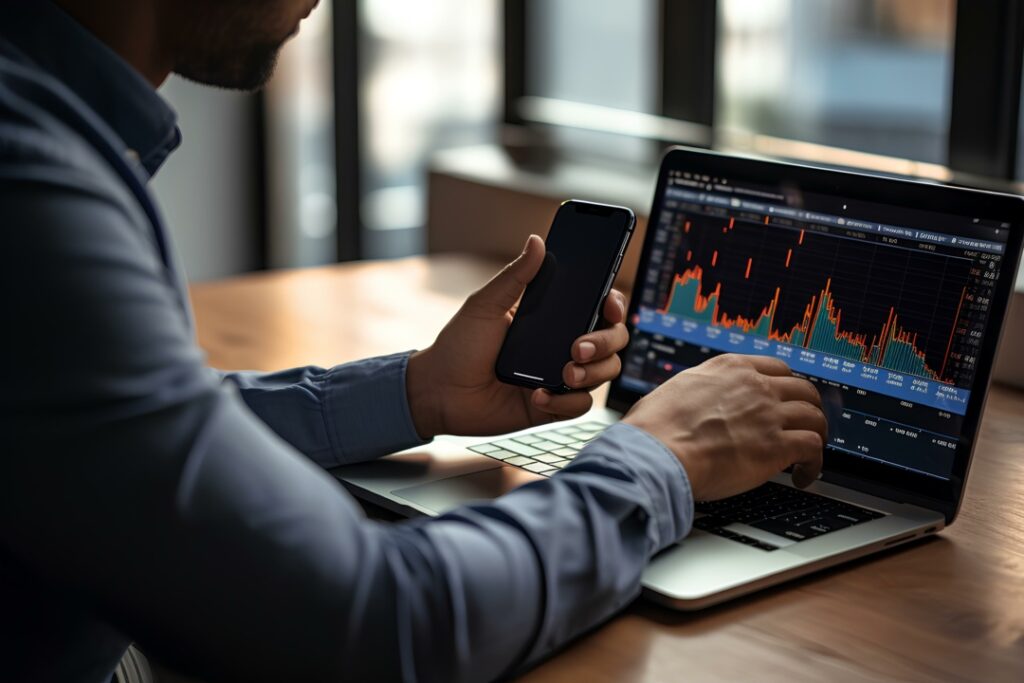
Trading is not based only on charts, market data and company information. A trader’s reaction to price movement can also affect decisions, especially during an unpredictable trading session. A sudden increase can result in overconfidence, whereas a sudden drop can make one feel afraid or hesitate. As traders nowadays have access to real-time prices and order execution through trading apps, such reactions can sometimes occur in a matter of seconds. This article examines the role of trading psychology in the decision-making process and explains how traders can maintain discipline in real-life price movements.
Understanding Trading Psychology
Trading psychology refers to the emotions and behaviour associated with the decision-making process prior to, during and after a trade.
Fear, greed, excitement, frustration, and overconfidence are some common types of emotions. It is important to note that such emotions aren’t bad by themselves; however, they can become an issue when they cause traders to disregard the initial strategy they planned to use.
For example, a trader may decide on an exit level before entering a position but later hold the trade because they hope the price will recover.
The Problem With Revenge Trading
A difficult trade can sometimes lead to another common behaviour: revenge trading.
After a loss, a trader may immediately enter another position with the intention of recovering the amount. This can result in taking trades that do not meet the usual criteria or increasing the position size without proper consideration.
A better approach is to assess the next trade independently. If the setup is not present, there is no requirement to enter the market simply because the previous trade did not work out.
Creating Rules Before Entering a Trade
A trading plan can reduce the number of decisions that need to be made during a fast-moving session.
Before placing an order, traders can define:
- Entry conditions
- Position size
- Stop-loss level
- Exit conditions
- Trading timeframe
- Maximum exposure
These rules do not guarantee a particular outcome. Their purpose is to create a consistent framework for handling different market situations.
Trading Apps and Emotional Decisions
Trading apps make market information easily accessible. Live prices, charts, notifications and order execution can all be viewed from a smartphone or computer.
This convenience can also encourage excessive monitoring. Watching every small price movement may lead traders to repeatedly change their positions, even when there has been no meaningful change in the original trading setup.
Using an online trading app according to a defined trading routine can help avoid unnecessary reactions.
Using Alerts to Stay Focused
Price alerts can be useful when a trader wants to monitor a specific level without continuously watching the screen.
An alert could be set around a price level relevant to the trading plan. When it is triggered, the trader can review the market conditions and decide whether the original setup still applies.
This approach can be particularly useful for traders who find constant price monitoring distracting.
Keep a Trading Journal
A trading journal can help identify behavioural patterns over time.
It can record details such as:
| Information | Why It Matters |
| Entry and exit | Reviews the trade execution |
| Position size | Tracks capital exposure |
| Stop-loss | Records planned risk |
| Reason for trade | Tests the original idea |
| Market conditions | Adds context |
| Emotions | Identifies behavioural patterns |
After reviewing several trades, traders may notice that certain mistakes occur repeatedly. For example, they may take larger positions after successful trades or exit too quickly after a loss.
Staying Disciplined During Volatility
Emotional control does not mean ignoring market information. If new information changes the basis of a trade, reassessing the position can be appropriate.
The focus should be on making that decision deliberately rather than reacting to every price movement. Taking a short break after a stressful trade, following predefined risk limits and maintaining consistent position sizes can support this process.
What Traders Can Keep in Mind
A few simple habits can make trading decisions more structured:
- Decide risk limits before entering.
- Avoid increasing positions purely after a loss.
- Do not let one successful trade change the next position size.
- Use alerts instead of constantly checking prices.
- Review trades regularly to identify repeated mistakes.
- Separate new market information from emotional reactions.
Conclusion
Trading psychology can have a significant influence on decisions during live market movements. Recognising emotions such as fear, greed and overconfidence, while using clear trading rules, can help traders maintain a more structured approach. Trading platforms such as 5Paisa provide access to market information and order-management features that can support this process. The technology can make trading more convenient, but maintaining discipline ultimately depends on how traders use these tools and manage their own decisions.

Caroline is doing her graduation in IT from the University of South California but keens to work as a freelance blogger. She loves to write on the latest information about IoT, technology, and business. She has innovative ideas and shares her experience with her readers.