Fans of science fiction, fantasy, superheroes, horror, animation, and franchise entertainment often talk about characters, lore, visual effects, and favorite scenes. What they may not see is the amount of planning required to make those moments feel coherent on screen.
Genre stories ask audiences to believe in worlds that may not exist, powers that are impossible, creatures that are imagined, and rules that must remain consistent across episodes or films. The more unusual the world becomes, the more disciplined the production needs to be.
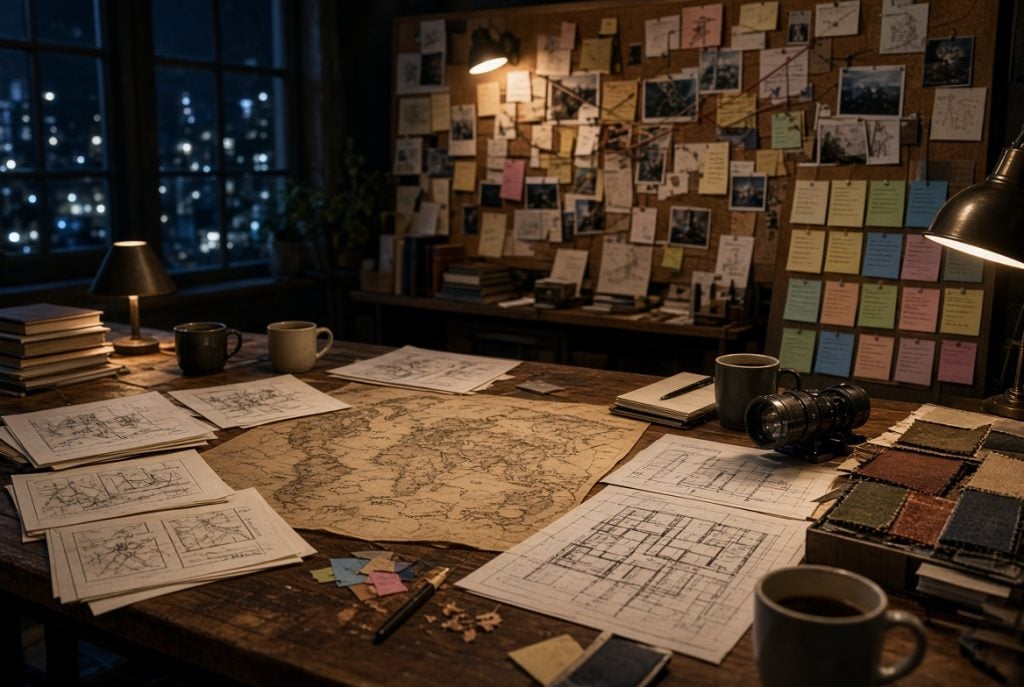
Behind the scenes planning is what allows spectacle to feel emotional rather than random. It connects story logic, design, stunt work, locations, visual effects, sound, and actor performance into something fans can follow and care about.
Worldbuilding starts before the camera rolls
A believable genre world needs rules. How does technology work. What can a creature do. How do characters move through a city, spaceship, school, battlefield, or hidden society. Which details are normal to the characters but new to the audience.
Production planning turns those questions into sets, props, costumes, camera choices, and scene coverage. Without that preparation, worldbuilding can become inconsistent. Fans notice when a rule changes without purpose or when a visual detail contradicts the story.
Action and effects need emotional purpose
Genre fans enjoy action, powers, transformations, monsters, futuristic devices, and visual effects, but spectacle works best when it reveals character. A fight scene can show fear, sacrifice, strategy, or loyalty. A creature design can suggest danger, sadness, intelligence, or mystery. An effect shot can change how the audience understands the world.
Teams using the World Production Service platform can approach genre production support as a way to connect creative ambition with practical planning, especially when a project needs local crews, specialty vendors, unusual locations, or complex shoot days.
Continuity protects fan trust
Fans remember details. They track costumes, timelines, props, symbols, powers, locations, and relationships. In a genre project, continuity is not just a technical department concern. It is part of the audience’s trust in the world.
Production teams need systems for tracking what has been established, what can change, and what must remain consistent. This matters even more when scenes are filmed out of order, across locations, or with different units.
Practical locations still matter in imaginary worlds
Even the most effects-heavy story often needs physical spaces that actors can respond to. A real corridor, rooftop, forest, warehouse, lab, theatre, or street can give performers and camera teams something concrete. The trick is making those places support the imagined world rather than fight it.
Careful video production planning helps crews decide what must be built, what can be found, what should be enhanced digitally, and what needs to be captured practically for the final scene to feel grounded.
Behind the scenes material can deepen fandom
Fans often enjoy learning how a scene was created, especially when the process reveals craft. Production diaries, interviews, set photos, breakdowns, and short social clips can extend interest beyond the release. These materials work best when planned during production rather than gathered as an afterthought.
A production that documents its own creative process can give fans more ways to connect with the story. It can also help studios, publishers, and creators explain why the work has a distinct identity.
Make complicated ideas easy to follow
Genre stories often carry complicated ideas: alternate timelines, secret organizations, magical systems, alien technology, artificial intelligence, multiverse logic, or ancient mythology. Fans enjoy complexity, but they still need scenes that communicate the rules clearly. Confusion can be exciting for a moment, but it becomes frustrating when the production cannot guide the audience.
Planning helps translate complex ideas into readable images. A prop can explain a rule. A location can show hierarchy. A costume can mark allegiance. A sound cue can signal danger. A camera move can reveal scale. These choices reduce the need for heavy exposition while still giving fans enough information to follow the world.
The goal is not to simplify the imagination. The goal is to make the imagination playable on screen. When the production language is clear, fans can spend more energy caring about the characters and less energy decoding the basics.
Design fan-facing assets during production
Modern fandom does not wait for release day. Posters, teasers, set photos, cast interviews, motion clips, explainers, and behind-the-scenes features can all shape expectations before a project launches. These materials work better when they are planned alongside the shoot, not pulled from random leftovers.
A genre production can identify which elements are safe to reveal, which should remain secret, and which details will excite fans without spoiling the story. The crew can then capture clean footage and stills at the right moments. This makes marketing feel connected to the project rather than pasted on later.
Planning fan-facing assets also protects continuity. If a costume, prop, creature, or set detail appears in promotional material, it should match the world being presented in the final work.
Give actors enough physical reality
Actors often carry the emotional truth of genre scenes, even when the environment is partly imagined. They need marks, props, eyelines, sound references, stunt beats, and clear direction to make impossible events feel human. Production planning provides that physical reality.
A performer reacting to a creature, explosion, spaceship, magical force, or digital environment still needs something concrete. The more carefully those references are planned, the more believable the performance becomes.
Keep the human stakes visible
The biggest genre images often work because the human stakes remain visible. A city may be threatened, a hero may gain a power, a creature may appear, or a timeline may break, but the audience still needs to understand what the moment means to the people inside the story.
Production planning can protect those stakes by giving emotional beats enough coverage. Reaction shots, pauses before action, damaged objects, practical sound, and small character choices can make a large-scale scene feel personal. Without those details, the scene may look expensive but feel empty.
Fans return to genre stories because they care about the world and the people inside it. Behind the scenes planning is what keeps those two parts connected.
Conclusion
Behind the scenes planning shapes the genre stories fans love because it protects the logic beneath the spectacle. It gives imaginary worlds rules, action scenes purpose, locations texture, and continuity enough strength to reward close attention.
For fans, the result is simple: the world feels worth believing in. For production teams, that feeling comes from careful decisions made long before the finished scene reaches the screen.
Frequently Asked Questions
Why do genre productions need extra planning
Genre projects often involve invented worlds, effects, stunts, lore, and continuity demands. Planning keeps those pieces consistent and emotionally meaningful.
How does behind the scenes content help fans
It shows the craft behind favorite scenes, gives fans more context, and extends interest in the story after release.
Can practical locations work in fantasy or science fiction
Yes. Practical spaces can make imaginary worlds feel grounded when they are chosen and modified to support the story’s rules and visual language.

Ashley Rosa is a freelance writer and blogger. As writing is her passion that why she loves to write articles related to the latest trends in technology and sometimes on health-tech as well. She is crazy about chocolates. You can find her at twitter: @ashrosa2.