Don’t Say Good Luck might be my biggest surprise of 2026. I went into this expecting to enjoy it, maybe shed a tear or two, and move on. Instead, it completely caught me off guard. It’s warm, funny, sincere, and deeply tender without ever feeling like it’s forcing an emotional response. More than anything, it’s a beautiful coming-of-age story about growing up while realizing that the people you love aren’t going to be around forever.
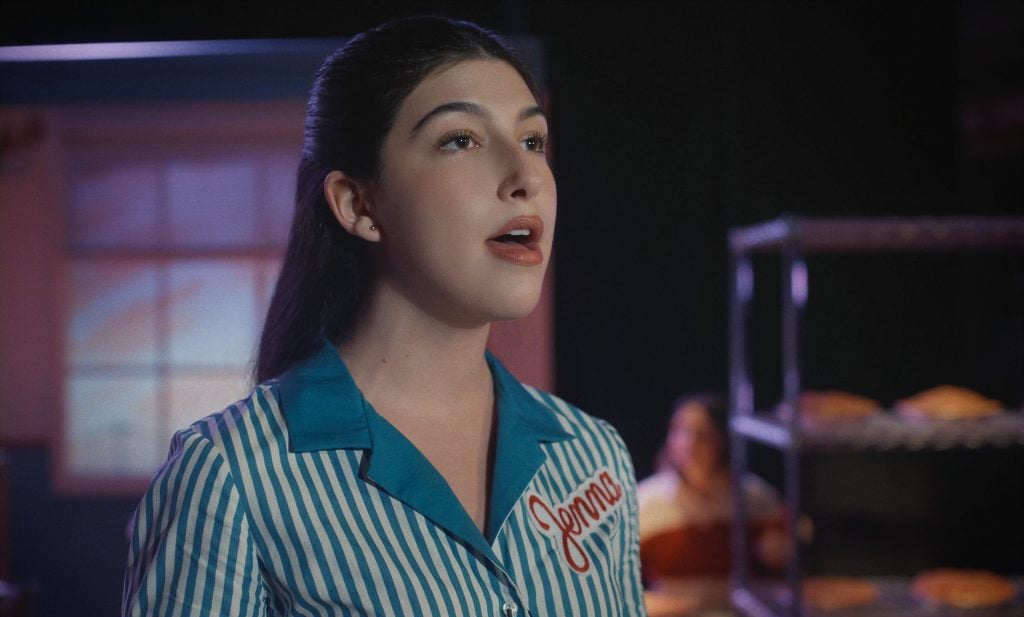
At the center of it all is Sophie, played by Sunny Sandler, a teenager who gets the opportunity to star in her school’s production of Waitress just as her mother’s cancer returns. On paper, that sounds like the setup for an aggressively sentimental teen drama, but Don’t Say Good Luck understands that grief and growing up are rarely that simple. Sophie is still a teenager. She still has rehearsals, friendships, crushes, insecurities, ambitions, and all the ridiculous little things that make being young feel so important. Her mother’s illness doesn’t suddenly erase all of that. If anything, it makes those ordinary moments feel even more precious.
Sunny Sandler is wonderful here. There’s such an openness to her performance that makes Sophie incredibly easy to root for. She feels messy, awkward, hopeful, scared, excited, and occasionally completely overwhelmed. Sandler gives her so much personality in the quieter moments, allowing Sophie’s emotions to exist without constantly announcing them to the audience. There’s a naturalness to her performance that makes it easy to believe in this character and everything she’s going through.
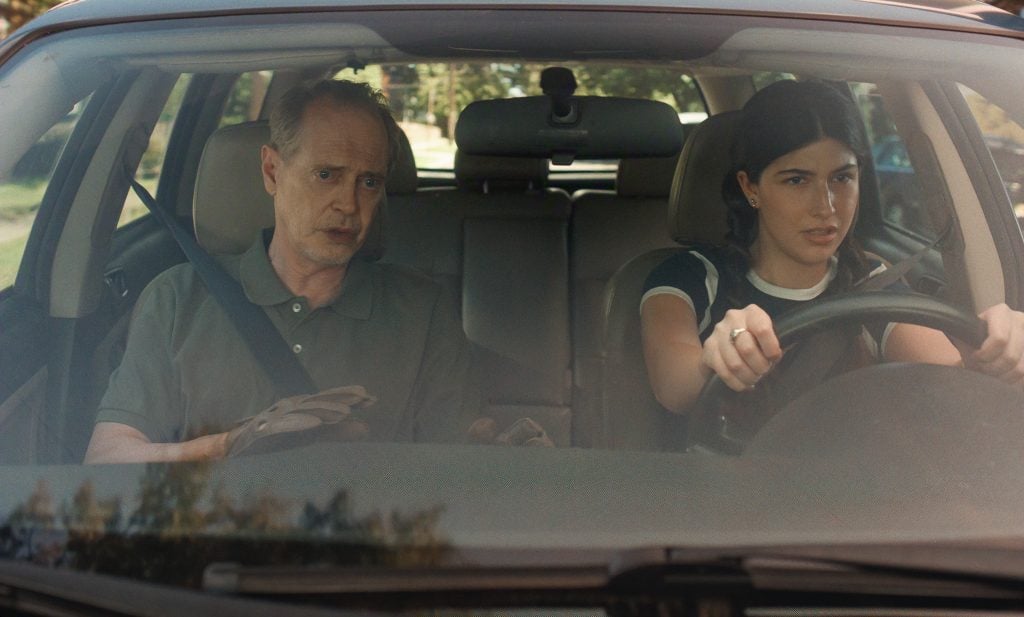
And yes, she’s Adam Sandler’s daughter, but honestly, that becomes almost irrelevant once the movie gets going. Sunny has a presence all her own, and she carries the film with a confidence that makes it very easy to imagine her having a long career ahead of her. Watching Sophie find confidence through performing also gives Sandler some lovely opportunities to show another side of the character, particularly as the musical becomes an important outlet for everything she’s experiencing.
Melanie Lynskey is equally wonderful. Elizabeth could have easily been reduced to “the sick mom,” existing solely to give Sophie something sad to deal with, but Lynskey makes her feel like a complete person. She’s funny, loving, stubborn, scared, occasionally frustrated, and still trying to be a mother even when she’s struggling herself. Lynskey brings so much warmth to Elizabeth, and her chemistry with Sandler gives the film its emotional center.
The relationship between Sophie and Elizabeth is what makes the film hit as hard as it does. This isn’t simply a story about a girl dealing with her mother’s illness. It’s about a mother trying to make sure her daughter continues to live her life. Elizabeth wants Sophie to perform, to dream, to make mistakes, to fall in love, to be young, and to experience all the things that make life worth holding onto. That idea gives their relationship a bittersweet quality that lingers throughout the film.
What works especially well is that the film never suggests Sophie has to stop being happy because something terrible is happening. She can be devastated and still laugh with her friends. She can be terrified and still get excited about performing. She can be angry, selfish, hopeful, scared, and joyful all within the same day. That feels much closer to how grief actually works. Life doesn’t stop simply because something heartbreaking has entered it.
There’s also something wonderfully earnest about Don’t Say Good Luck. In a movie landscape that can sometimes feel allergic to sincerity, I appreciated how unapologetically heartfelt this is. It isn’t trying to be cynical or overly clever. It simply cares about these characters and the small pieces of their lives. That sincerity is a big part of why the emotional moments land.
The musical element adds another layer to Sophie’s story, too. Waitress becomes more than just a school production. It gives Sophie somewhere to put all the emotions she doesn’t necessarily know how to express in her everyday life. Performing becomes an outlet and a way for her to hold onto something that belongs entirely to her, even as everything around her begins to change. It’s a familiar coming-of-age device, but the film uses it effectively.
That said, Don’t Say Good Luck isn’t exactly reinventing the coming-of-age drama. Some of its emotional beats are familiar, and you can occasionally see where the story is heading well before it gets there. But there’s enough heart in the performances and enough genuine affection for these characters to make those familiar moments work.
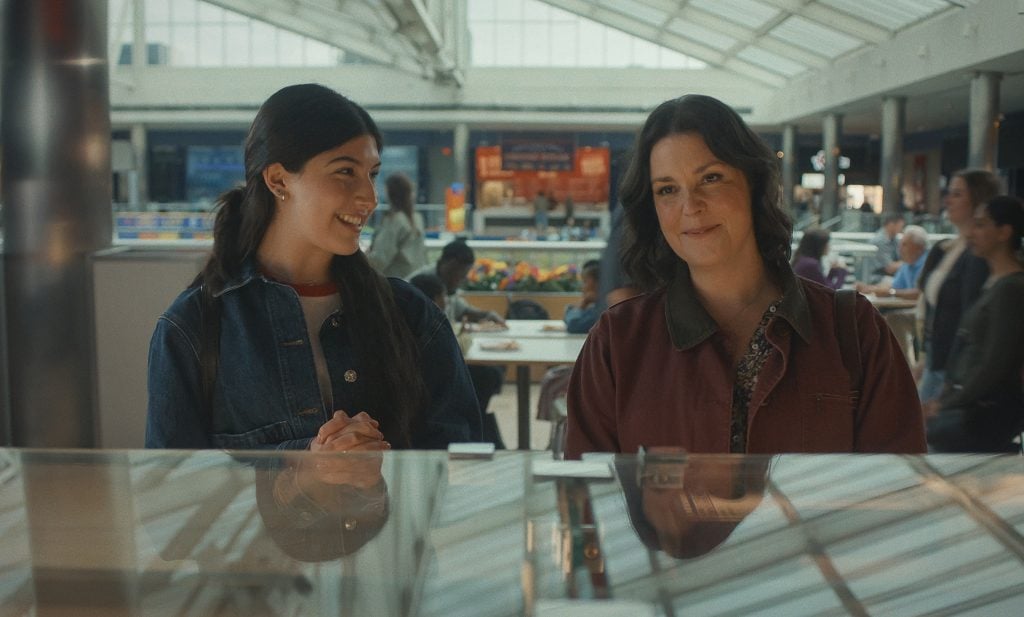
Most importantly, the film earns its emotional weight through the relationship at its center rather than relying solely on its subject matter. The mother-daughter bond is given enough room to breathe, allowing the sadness to come naturally from the characters instead of feeling manufactured for the audience. It understands that the most painful part of growing up can sometimes be realizing that the people who gave you a sense of home are changing, too.
Sunny Sandler and Melanie Lynskey are the heart of the movie, and together they give it something that feels incredibly genuine. One is figuring out who she wants to become while the other is trying to make sure she gets the chance to become her. There’s something incredibly bittersweet about watching them navigate that together.
I genuinely didn’t expect to love this as much as I did. It’s tender without being saccharine, sad without becoming miserable, and funny in all the places where it needs to be. It may not break new ground for the coming-of-age genre, but it understands why these stories continue to matter. Sometimes growing up isn’t about having all the answers. Sometimes it’s simply learning how to keep moving forward when life changes in ways you never wanted it to.
One of the biggest surprises of the year and a genuinely beautiful coming-of-age story.
Sunny Sandler and Melanie Lynskey are the heart of the movie, and together they give it something that feels incredibly genuine.
-
GVN Rating

Codie Allen is a passionate trans and queer film critic and entertainment writer based in Orlando, FL. A Rotten Tomatoes-approved critic, Dorian Awards member, and CACF member, they also contribute to The Curb and InSession Film. When they’re not writing about films, you can find them sipping way too much tea and listening to Taylor Swift.