What happens to a community when nuance gets lost?
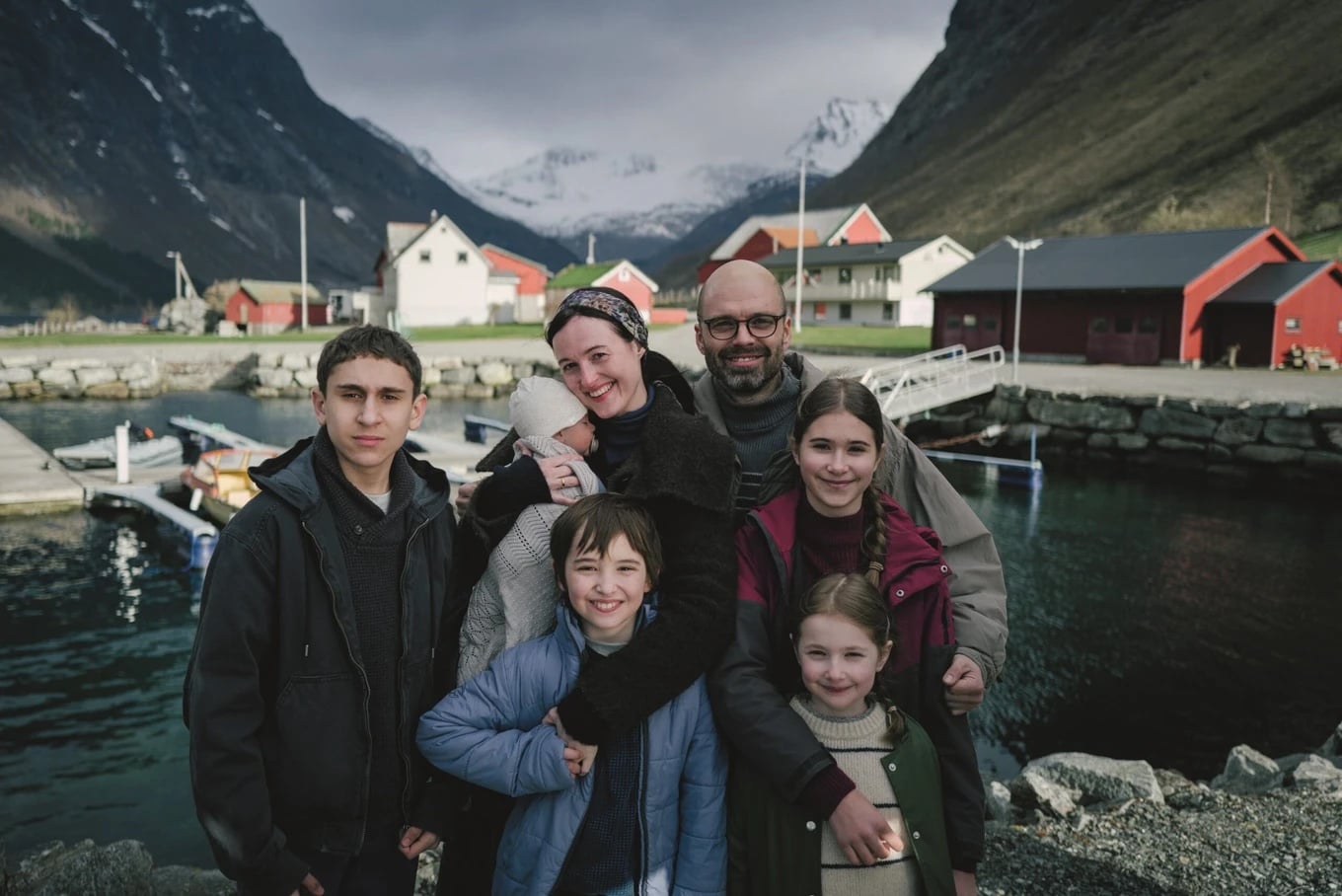
That is the driving question behind Fjord, the new film by Romanian filmmaker Cristian Mungiu, which won the Palme D’Or at Cannes and began screening at the New York Film Festival this week. Fjord follows the lives of the Gheorghiu family, a Romanian-Norwegian family of seven that moves to Norway and is quickly embroiled in an investigation of physical abuse by the parents, Mihai (Sebastian Stan) and Lisbet (Renate Reinsve). The investigation lays bare several cultural divides at once: religious versus secular, conservative versus liberal, and government overreach versus governmental responsibility for its most vulnerable.
The cultural divide has, naturally, bled into real life. In the months since its premiere at Cannes, Fjord has been the subject of simmering conversations about its intent. Some have described it as incisive and compelling, while others have labeled it as manipulative and biased. Some have ranked it amongst the year’s best, and others have written it off as a nonstarter. While not the only film to spark intense social media discourse about thorny subjects—The Drama, Primetime, and Digger come to mind—Fjord feels particularly attuned to a zeitgeist defined by seemingly insurmountable sociopolitical chasms.
In an interview with Geek Vibes Nation, Mungiu and Stan, fresh off the heels of Fjord’s New York premiere, weren’t particularly surprised by the fervent discourse, but were surprised by its focus.
“I was surprised to see to what extent people just see the film from their own perspective,” Mungiu said about the reactions to Fjord. “The film’s aim is to make [the audience] understand that there are some other perspectives on the same reality that we’re living.”
Mungiu continued, “I was expecting that most people would just have their ideas confirmed, but the level to which this polemic film convinces people that their radical idea about the world is already the best one, that was a bit surprising to me.”
Stan’s surprise centered around the limited discussion of Fjord’s driving plot point: the separation of Mihai and Lisbet from their five children, including their infant son. “I was a little bit surprised that people weren’t seemingly registering the idea of a family being broken up. Forget where it’s happening, forget the belief systems, but that alone.”
The stability of families is of particular focus for Stan. The actor recently welcomed his first child with his partner and fellow actor, Annabelle Wallis, and has discussed throughout Fjord’s promotional cycle how becoming a parent has shaped not only his reading of the film but also his view of parenthood in our current sociopolitical landscape.
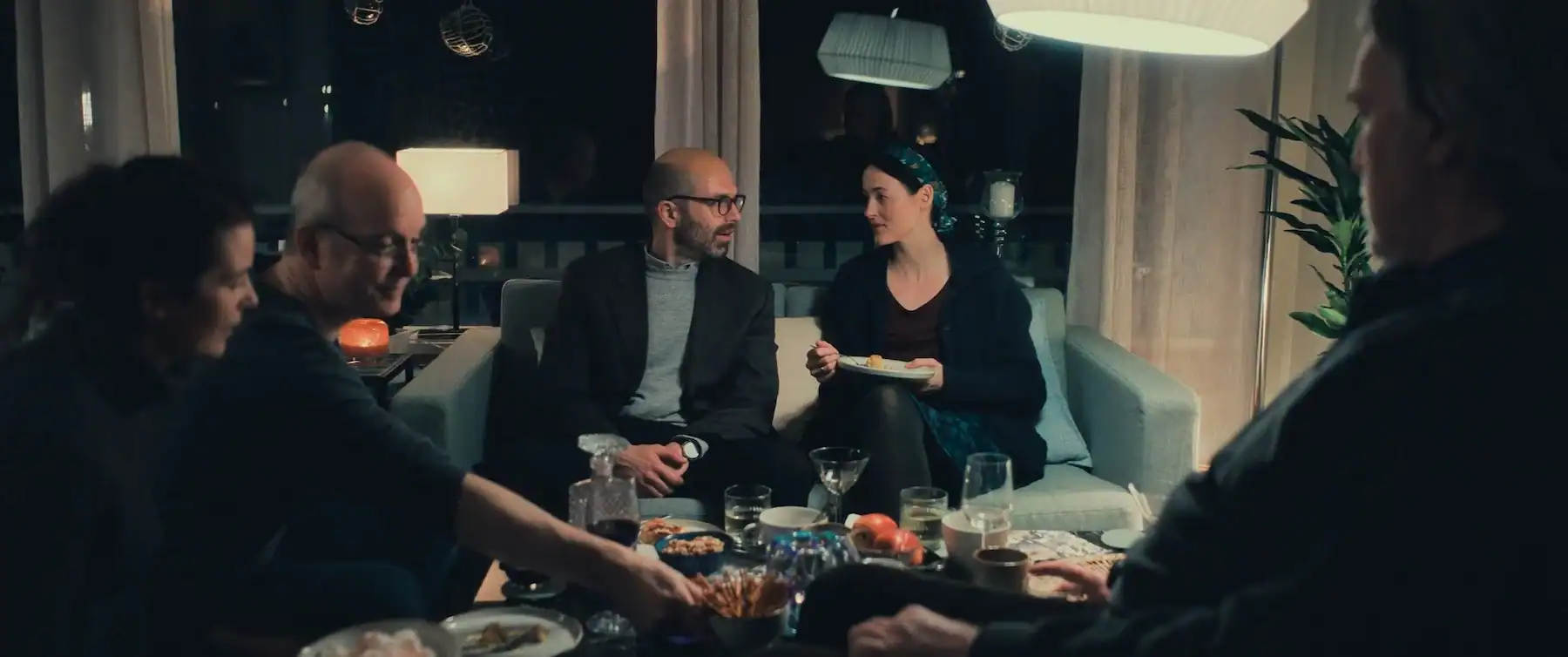
In our conversation, Stan contextualized Fjord within a more fraught, urgent global context. “Families are being separated and torn apart all over the world right now,” Stan explained. “We can make the same case for the Middle East and what’s happening on our own borders, and people are very vocal about that. But with this movie, it’s not as apparent because, perhaps, it was the conservative issues or the belief systems that were overshadowing that very fact.”
He added, “It showed to me, at least, that in this country, at this moment in time, we are so absolute in our stance to just see the very opposite completely. We come from this divisive place. Whatever the belief systems or methods, at the end of the day, [Fjord] is still about a family being separated in some way. I thought that was going to connect more with people, but it feels like something we have to keep digging up because people are responding to [the film] in a predictable way, the black or white mentality we have now.”
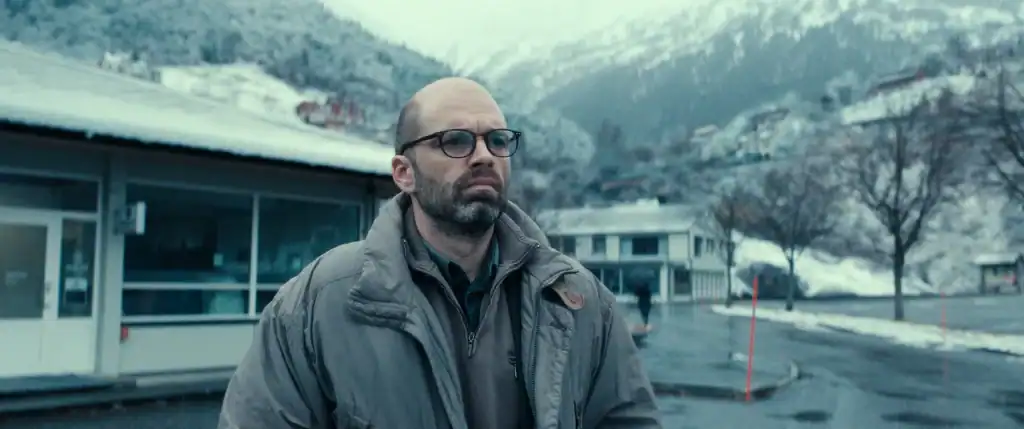
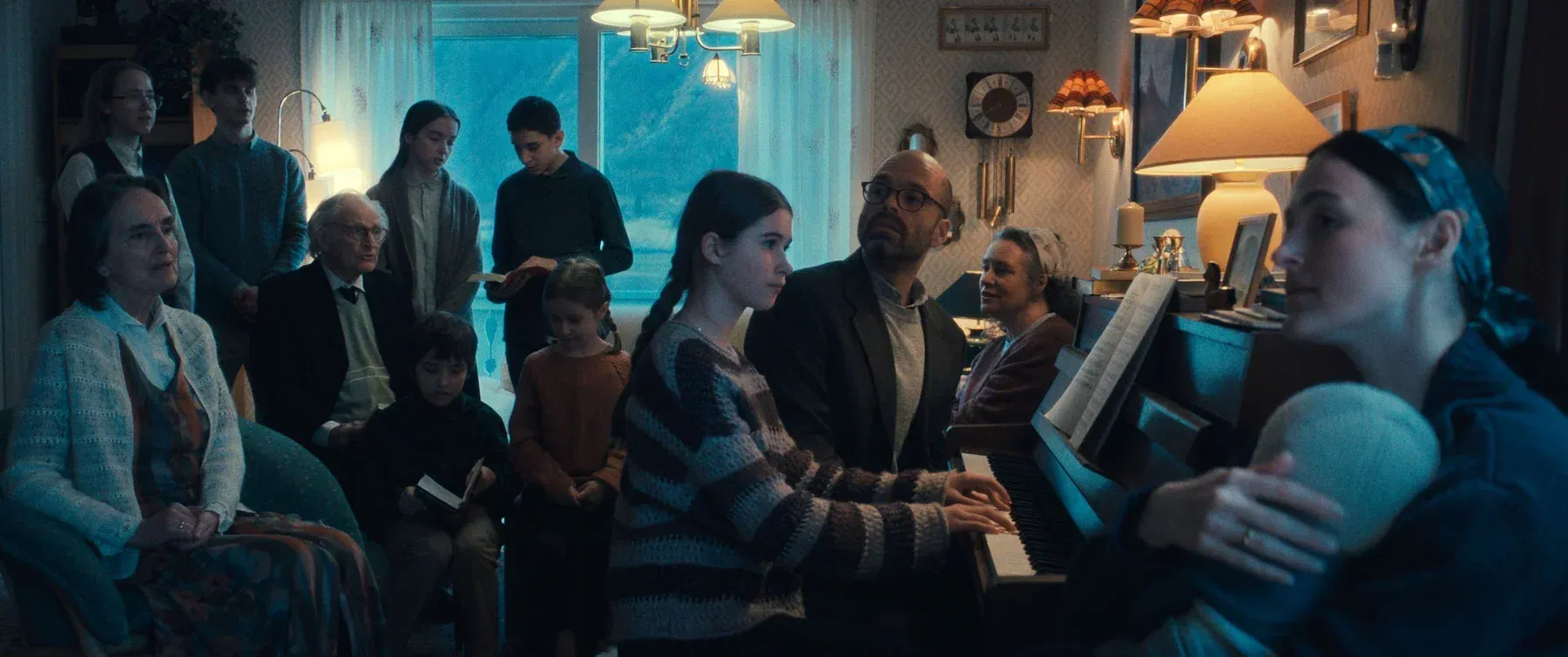
The role of Mihai Gheorghiu arrives following a major cultural moment for Stan, who received a Golden Globe for A Different Man and an Oscar nomination for The Apprentice. What separates Mihai from a pre-White House Donald Trump or Edward Lemuel is his demeanor. He is stern but reserved, never raising his voice more than a decibel. He is deeply religious, instructing his children in hymnal performances and interpretative recitations of the Bible. Even as his children are taken from him and Lisbet by Norway’s Child Protection department, Mihai is only capable of expressing measured frustration, either because of his religious devotion or his fear that the Norwegian government may not be fully objective in its investigation.
Stan once explained that he was drawn to characters that he didn’t understand right away. When asked about what he didn’t understand about Mihai at first, Stan said, “A lot of his behavior in the movie, frankly. You’re reading something and immediately asking yourself, ‘Okay, how would I react in this situation?” Of course, that’s not what you’re going to play because you’re not playing yourself. But you have to ask yourself what would happen if you were in that situation, and nothing about the way he was reacting was necessarily my instinct.”
Stan drew on his past to inform his characterization, specifically, growing up in Romania and emigrating to the United States in the final years of the Soviet Union. “This movie was very much connected to my past that I left behind, not necessarily by choice, that I didn’t really invest in a way to process it. There were aspects of the script that I’d seen in my father, grandfather, and in the traditional way I grew up, which was very Romanian. Beyond working with Cristian, it was also an opportunity to make peace for myself and with some of these things that I never really got to do.”
Fjord’s New York Film Festival selection represents a full-circle moment for Mungiu and Stan. The filmmaker and actor first met ten years ago at the festival where Mungiu was screening Graduation, which won Mungiu the Best Director prize at Cannes that year. They had been looking for an opportunity to work together since then, ultimately landing on Fjord. The film also marks notable firsts for both men: it is Mungiu’s first feature with English used in the script (alongside Romanian and Norwegian), and Stan’s first role playing a Romanian character, speaking all three languages in the film.
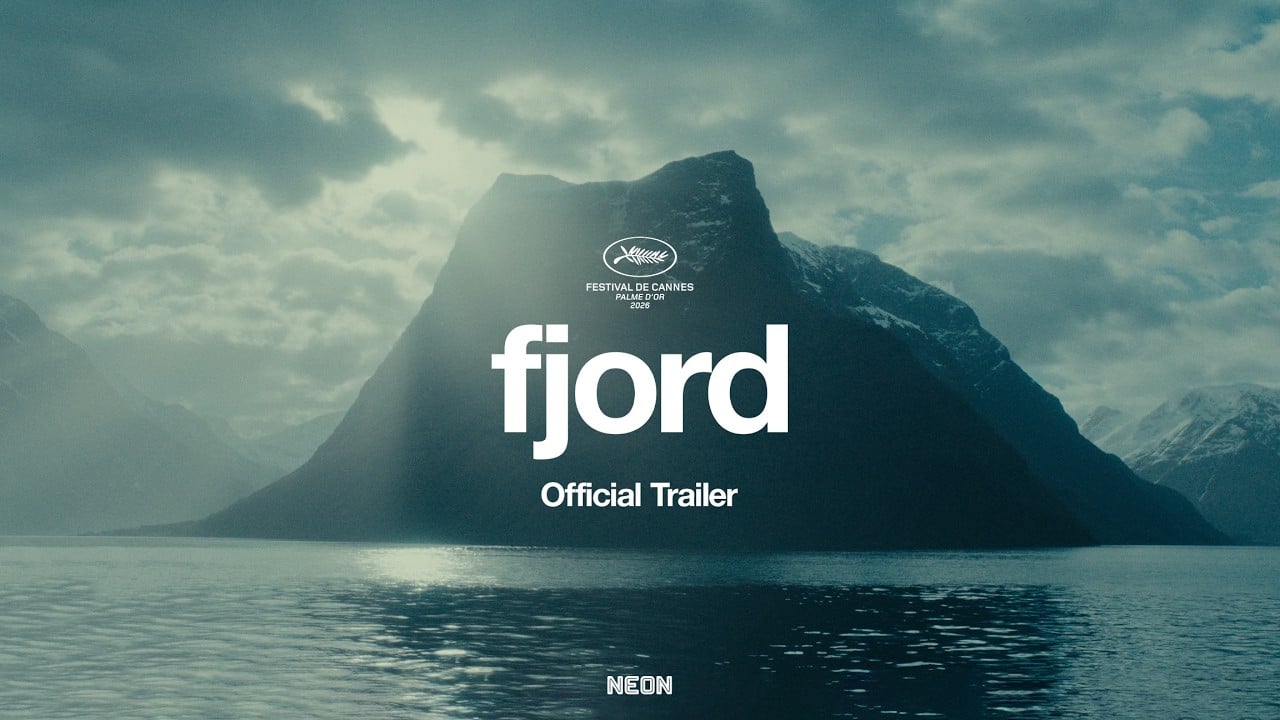
Fjord strives to encapsulate the complexities of Norwegian political and bureaucratic systems, which would naturally be complex for Mihai and Lisbet as new members of the community. Shot on location in Hjørundfjorden, Mungiu uses the large, snow-capped mountains and crystal-blue waters to convey this disconnect, how easily two people could get lost in the literal and figurative landscapes to which they have little connection.
That disconnect is also reflected in Mihai and Lisbet’s reactions to the turmoil caused by the investigation, which offers little to no room for pushback or contention. Mungiu taps Reinsve and Stan’s shared strength of intricate, subtle, and profoundly effective performances to demonstrate how two people, for whom modesty and restraint are virtues, would respond to their world being taken apart, piece by piece, and brutally analyzed within a framework they don’t understand.
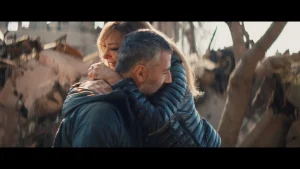
There are three moments in Fjord where we see the couple struggle to retain their composure. The first is when their infant son is taken into Child Protection custody, with Mihai watching Lisbet hand the baby over to the official through the window, the camera behind him. Mungiu wanted to highlight the difference in how they expressed their loss. “There’s a lot of grief from the mother,” he explained. “And there’s a lot of anger from the father.” While we don’t see that anger in Mihai’s face, we do see it through Stan’s physicality, his shoulders shaking as he cries and his fist slamming onto a table out of frame.
That anger manifests in a later scene, when Mihai decides to seek support from the Romanian embassy after their court cases are pushed back. “We discovered [that moment] on set,” he recalled. “When Lisbet comes with that piece of news, when Mihai is chopping wood, for once, they disagree. They don’t disagree about what they need to do, but about how to get their children back. And then we see them part ways and head back to their house on different paths. It was a very good way of showing how they work together for the same purpose, but their ideas might differ at the same time.”
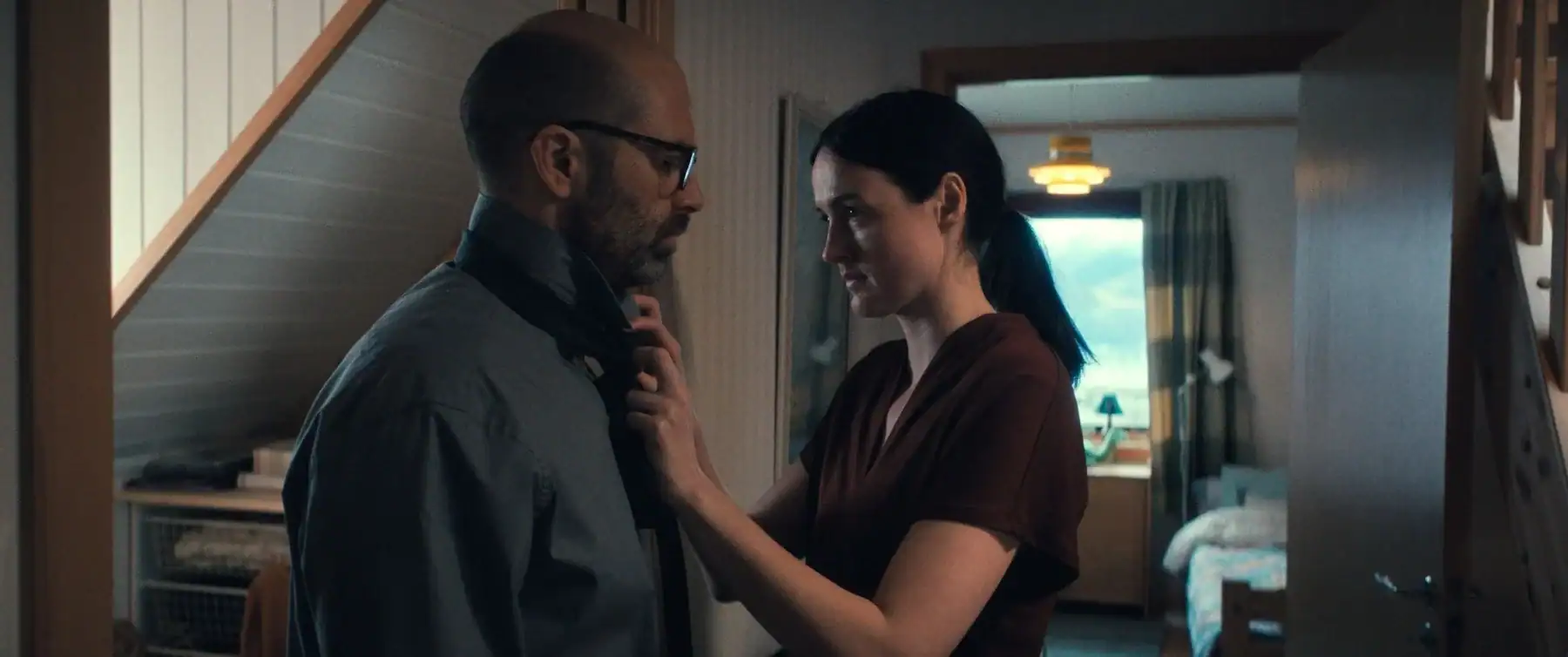
The final scene is a smaller, quieter moment when Lisbet is ironing. “We felt we needed to add it to the film on set, showing to what extent what was happening was affecting their intimacy. It’s this physical affection being expressed and this need for affection from the other. You can imagine that when something like this happens to a family, it’s going to shatter the relationship of the couple, and that they need to fight every day for their children while their private, personal life is kind of ruined. For me, this was the backbone of their relationship…to understand the dynamic of this couple.”
Stan drew from the environment that Mungiu created on set to tap into those different energies. “You’re not alone in Cristian’s films,” he said. “There’s a lot going on: the scenes, the way they’re shot, what’s going on from other people, even the furniture. As an actor, the difference for me was being aware of what was already naturally happening and what the audience is seeing that’s already communicating and adding to the scene’s tension.”
With respect to the tension that Fjord has created beyond its titular inlet, Mungiu hopes that audiences will come to the film with an open mind. “Cinema is not just entertainment. We have a responsibility, and it’s important, to tell stories made out of the material of everyday life, things that could happen to all of us, and to receive them without being biased. It is the first step to a more understanding world in which you try to set yourself in the shoes of somebody else.”
Fjord held its New York Premiere as part of the Spotlight section at the 2026 New York Film Festival. The film will debut in select theaters on October 9, 2026, courtesy of NEON. The film expand to additional markets in the following weeks.
Before we let you go, we have officially launched our merch store! Check out all of our amazing apparel when you click here and type in GVN15 at checkout for a 15% discount!
For major deals and money off on Amazon, make sure to use our affiliate link! If you are purchasing any of the latest and best in physical media at MovieZyng, you can support us using our affiliate link.

A late-stage millennial lover of most things related to pop culture. Becomes irrationally irritated by Oscar predictions that don’t come true.