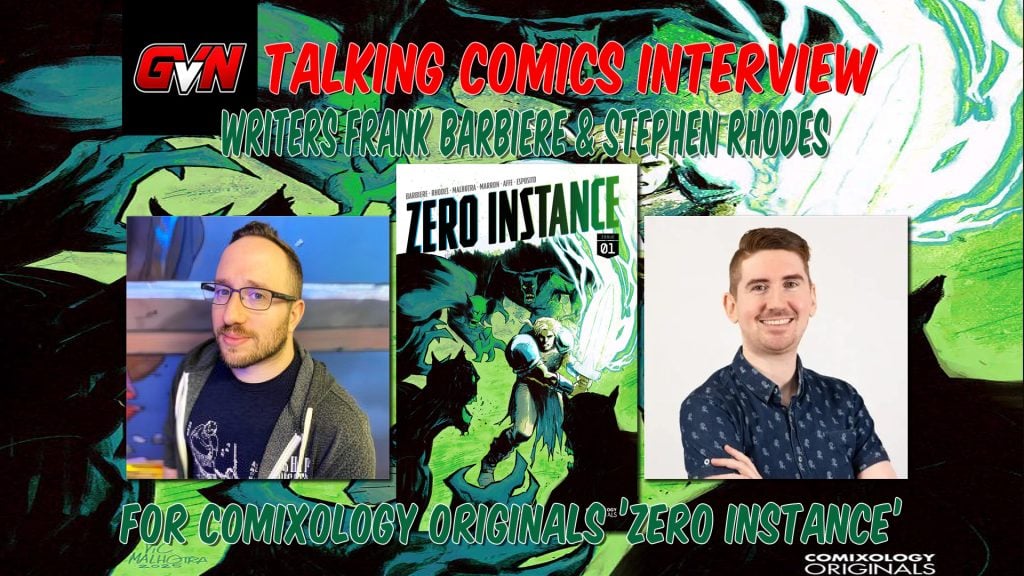
Comixology Originals’ Zero Instance delivers a fast-paced experience—offering a sharp concept, bold execution, and an unmistakable energy that signals it’s headed for wild twists from the very first page. Writers Frank Barbiere and Stephen Rhodes aren’t just building a sci‑fi thriller; they’re constructing a sleek, unnerving digital labyrinth where identity, memory, and the shadows we leave online become the fuel for a high‑stakes mystery. It’s stylish, it’s tense, and it feels engineered for readers who love their speculative fiction with teeth.
Recently, we spoke with Barbiere and Rhodes to discover how they created this digital-age puzzle box, what inspired their partnership, and why “Zero Instance” is regarded as one of the most exciting entries in the Comixology Originals lineup. So let’s welcome writers Frank Barbiere & Stephen Rhodes to GVN Talking Comics.
Creative Beginnings
GVN: Thank you both for sharing a small part of your day with us. Since this is our first opportunity to visit with you, let’s start with a bit of your creative beginnings. When did you first decide that writing for video games was a path you both wanted to follow, and what games inspired that pursuit? As a follow-up, how did that eventually evolve into comic book writing?
FRANK: I always enjoyed creative writing and storytelling as a young student, and when I got into college, I finally took a screenwriting class. Learning story structure really unlocked storytelling for me, and as a lifelong fan of comics and games, working in those mediums became my pursuit. I was lucky enough to start publishing comics, and through a mutual friend’s guidance started interviewing for games jobs. It’s really been a privilege to do both, but I strive to stay creative and curious and push my craft to tell the best stories I can.
STEPHEN: Like Frank, I have always been interested in telling stories. I used to love writing campaigns for my friends for tabletop RPGs and wargames we played. There were a few games like Bioshock and Knights of the Old Republic that really left an impression on me and drove my passion for storytelling towards games. Over the years, I have written many different things: short stories, screenplays, RPG modules, but I came to comics fairly recently.
I had the chance to write some comics as a tie-in for a game I was working on a few years ago and I fell in love with the format and how creatively freeing it was. After that, I read some recommended books on comic writing and enrolled in Scott Snyder’s online course, and now here we are with my first creator-owned book about to launch!
Inspirations for ‘Zero Instance’
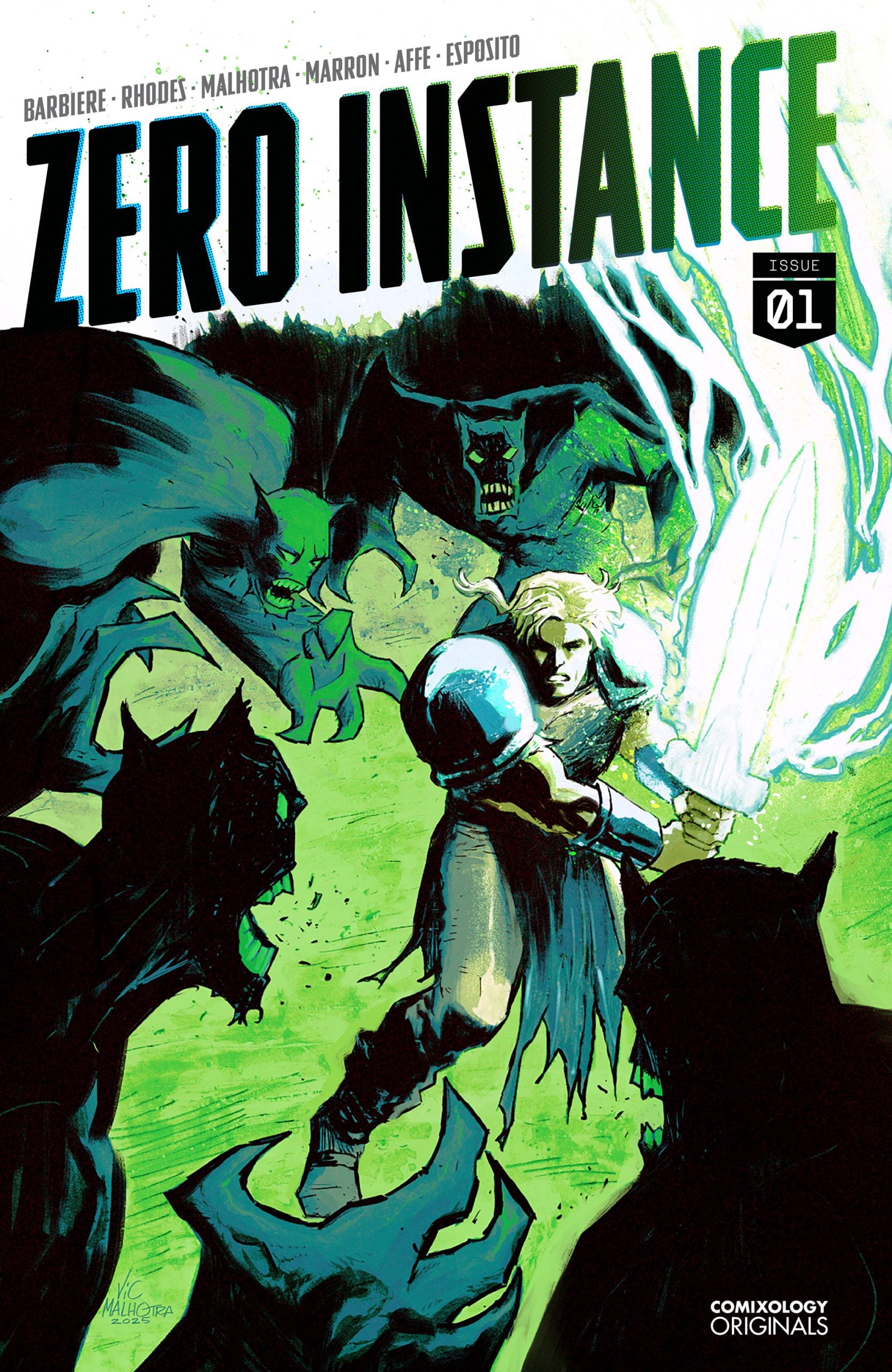
GVN: Zero Instance blends the sensibilities of comics storytelling with the narrative logic of AAA game writing. What was the initial spark that convinced you both this story needed to exist in comics rather than as a game, screenplay, or transmedia pitch? (I could easily see it under all of these umbrellas).
FRANK: I love the medium of comics, and was fortunate enough to meet Stephen as he was starting to work on more comics. We have a lot of shared interests and creative DNA, so it was a natural extension to try to bring our experience from both games and comics into a project. More than that, we’re both very thematic storytellers, so we knew what kind of story about games we wanted to tell, and were excited by the thriller/sci-fi sensibilities. We knew we wanted to make a comic, so we focused on using the medium to its best as well as the format of single issues with strong cliffhangers to keep the audience interested.
STEPHEN: Comics are an excellent medium for storytelling and it requires a much smaller team than making a game or a movie. We knew that as a comic we could tell the story we wanted to and we tailored the narrative to take full advantage of the medium. We felt like the book was doing something unique in the comic space and we both love writing thriller/sci-fi stories so it just made sense for us to do it in this way. You’re totally right though this story could be adapted to other mediums which would give us a way to explore different angles or aspects of the narrative which would be exciting in its own right.
Collaboration Evolution
GVN: You come from different corners of the narrative world—Frank from comics (via games), and Stephen newly dipping his toes into comics from games. How did your collaboration evolve in terms of structure, pacing, and worldbuilding, and what surprised you most about each other’s process?
FRANK: It was a very natural fit. Stephen is a well versed storyteller and had written a few comics prior, but working together allowed us the space to be more creative and challenge each other to push on ideas. I really enjoy breaking stories with a co-writer, as it allows us to have a response to ideas vs. the blank page. We both have similar sensibilities in terms of outlining and assembling a story with structure, so it was a natural fit and we were able to focus on finding creative inspiration rather than working about process. I was surprised by Stephen’s natural sense of collaboration and ability to work with another writer so easily!
STEPHEN: The collaboration felt very natural and organic. We both have very similar writing styles and creative processes that allowed us to hit the ground running. There was plenty of mutual trust and respect that let us break the story quickly and dig into the themes and characters effectively. We’re both very collaborative people so having someone to bounce ideas off was great. Frank is a very talented writer and it was so fun seeing his take on our characters and how they all have a little bit of both of us in them and how they talk.
Thematic Storytelling
GVN: The series explores themes of simulation, identity, and the fragility of perceived reality. How did you go about creating a world that feels both realistic and reflective of the MMO experience? What foundational rules did you establish early on to ensure the story remains coherent?
FRANK: We knew from the jump we were more interested in the real world than the fantasy world in our story. We are both very thematic storytellers, so once we had the general concept we really spent a lot of time talking about what kind of themes and tone we want in this story. What questions did we have for the characters, etc. I think both of us agree that stories are only as strong as your characters, so it was a big focus to make sure our main characters had a lot of heart and substance, as well as our villain Braxis.
STEPHEN: We definitely wanted the real world to feel grounded and the game development aspects to be authentic, so we talked a lot about what technology, AI, and game development look like in the near future. Getting to build a game world for Braxir to inhabit was a lot of fun, but we always wanted to ensure the game itself wasn’t the focus but Braxir himself was what we cared about. We knew the story we wanted to tell required a level of technology that didn’t exist and we discussed how we’d portray technology in this world and the rules of it. Don’t want to give too much away but we leverage the technology and the parts that interact with the digital game world in very specific ways.
Working with the Art Team
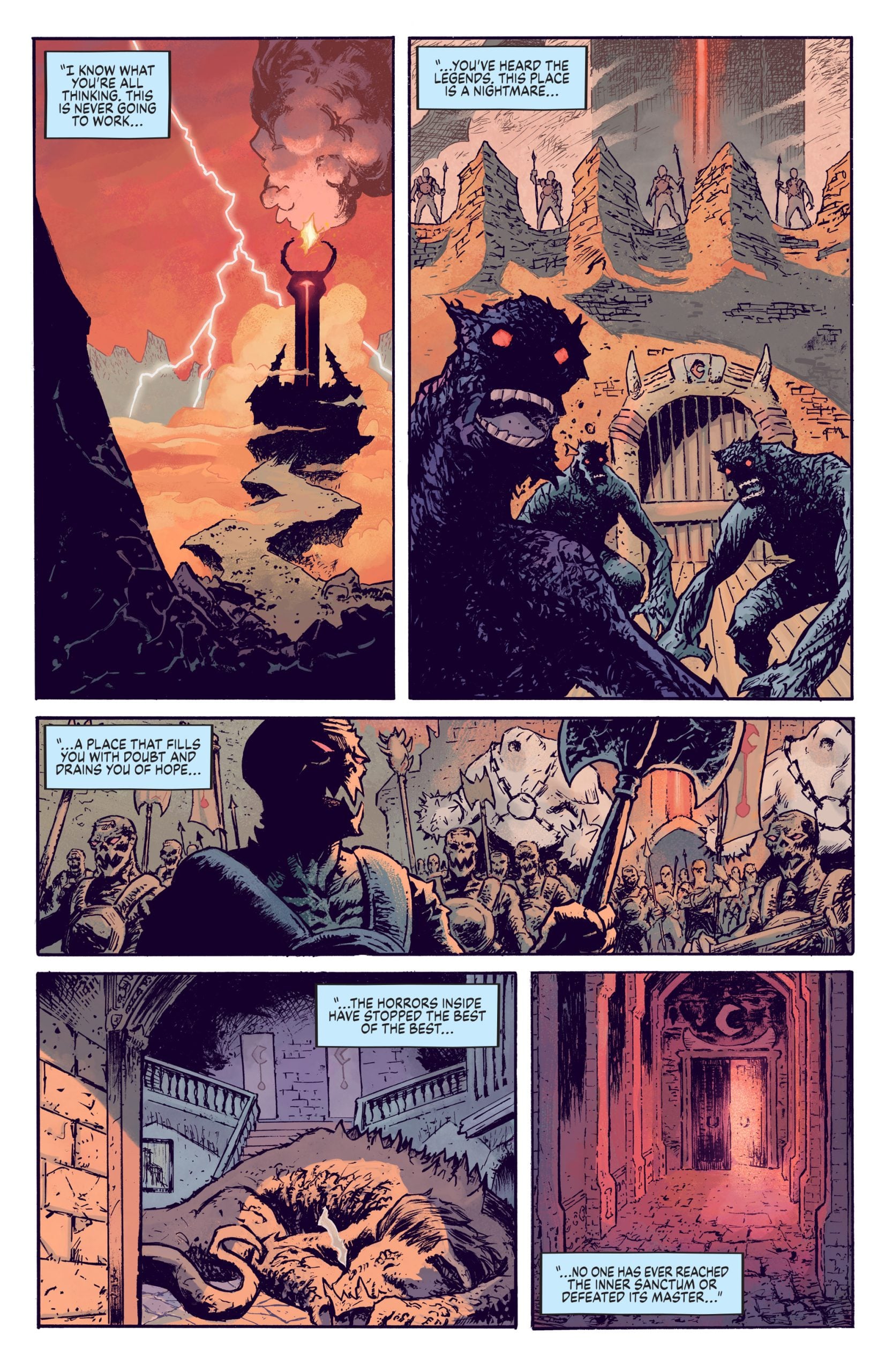
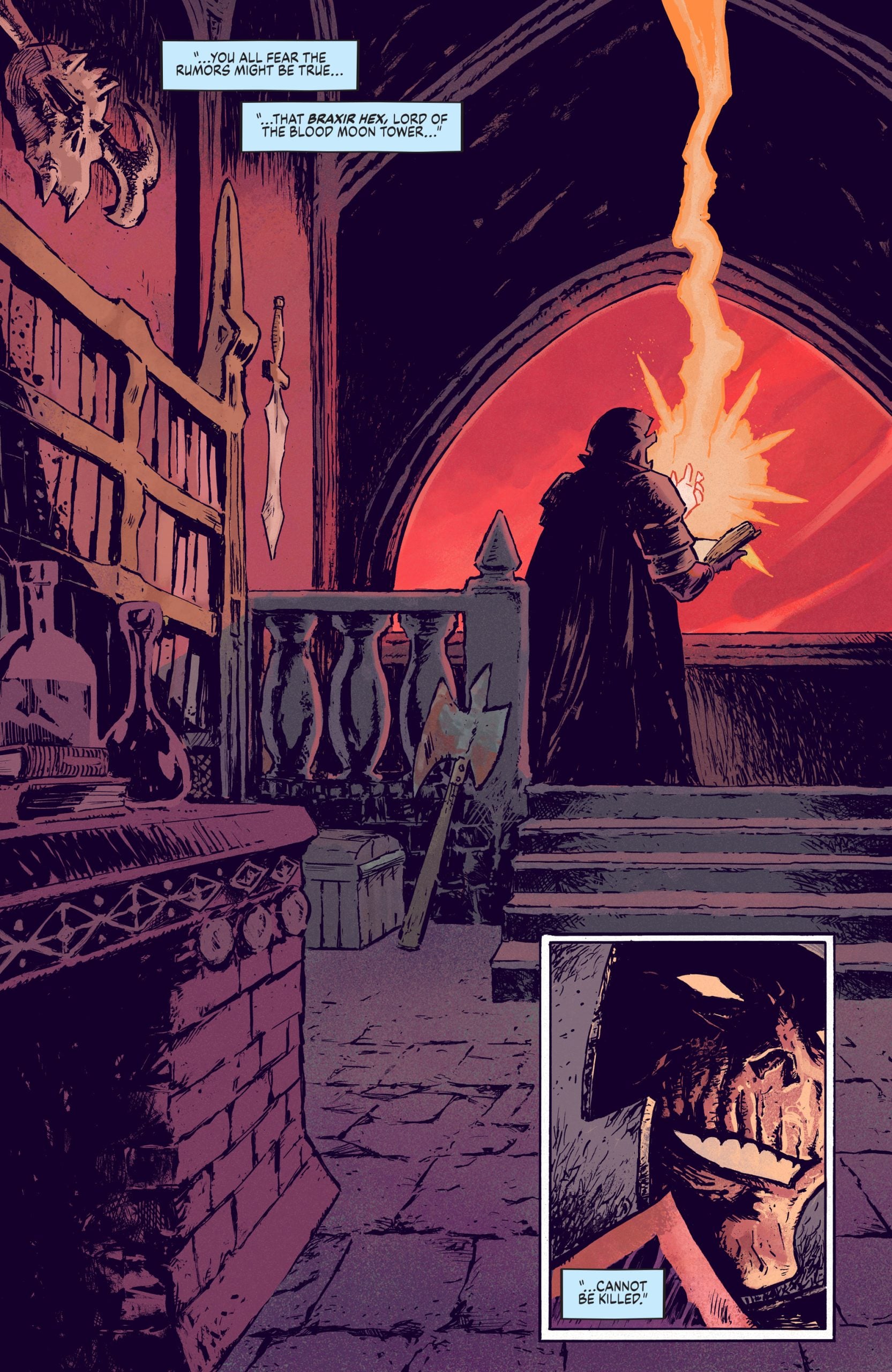
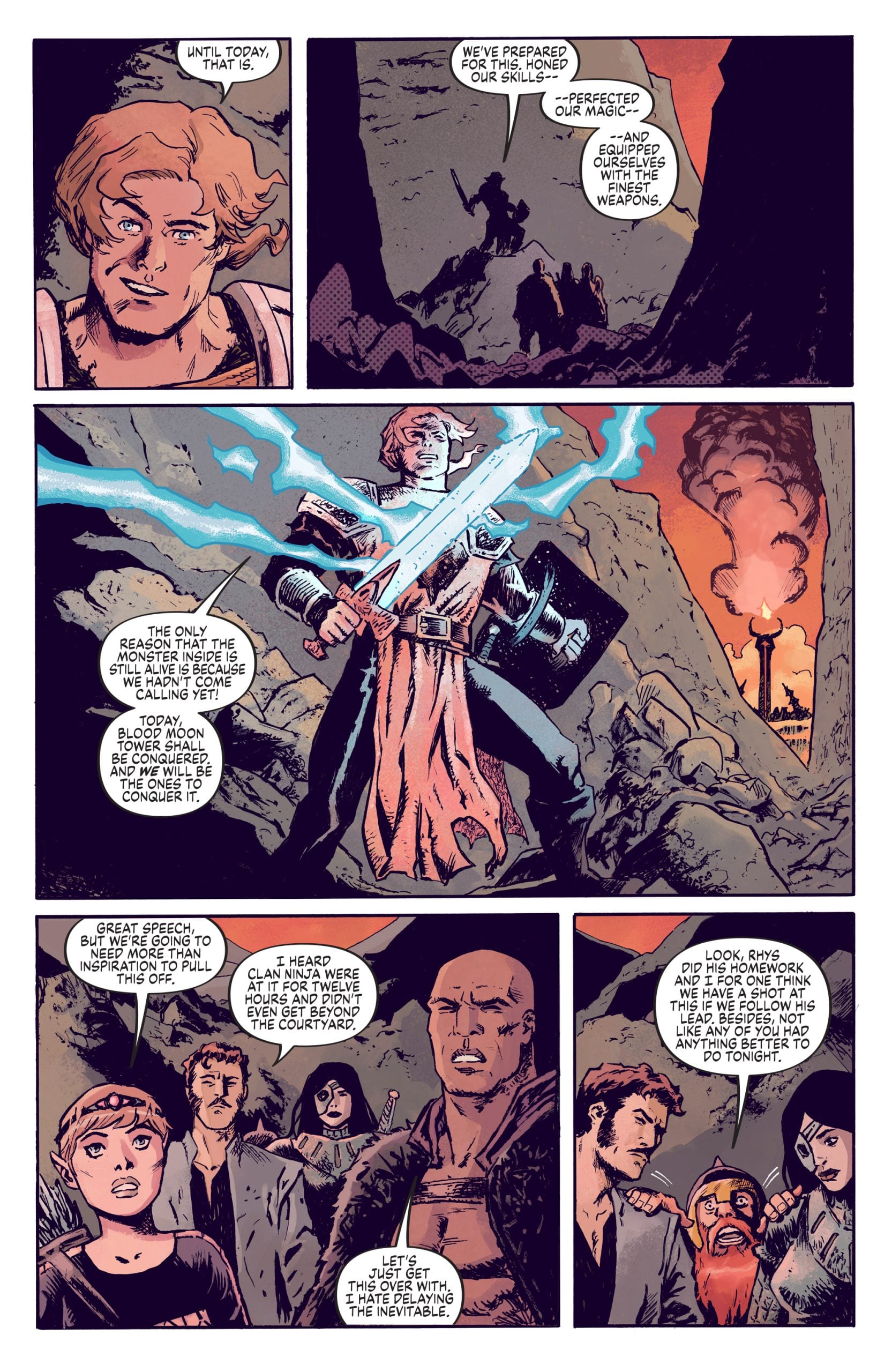
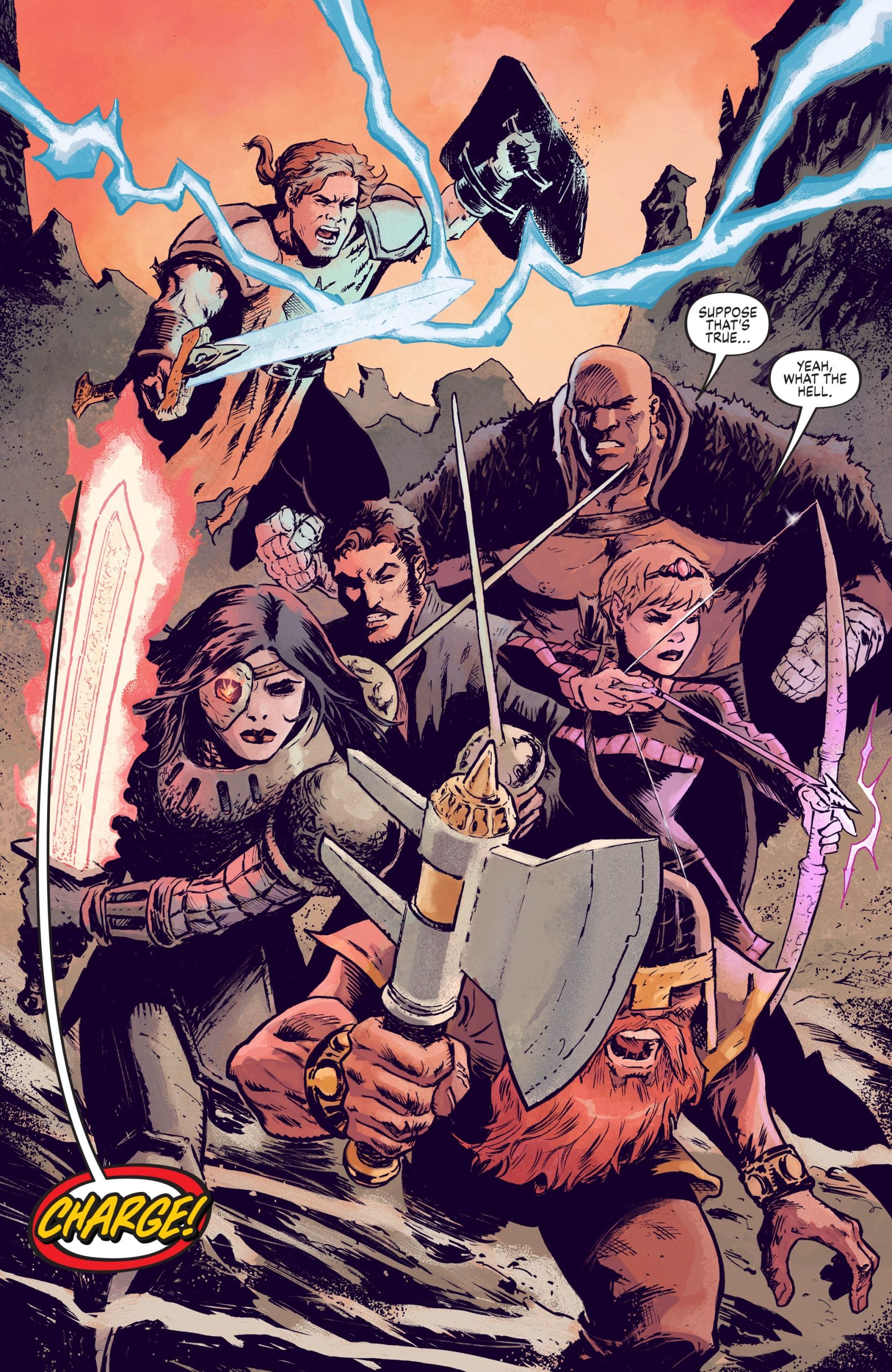
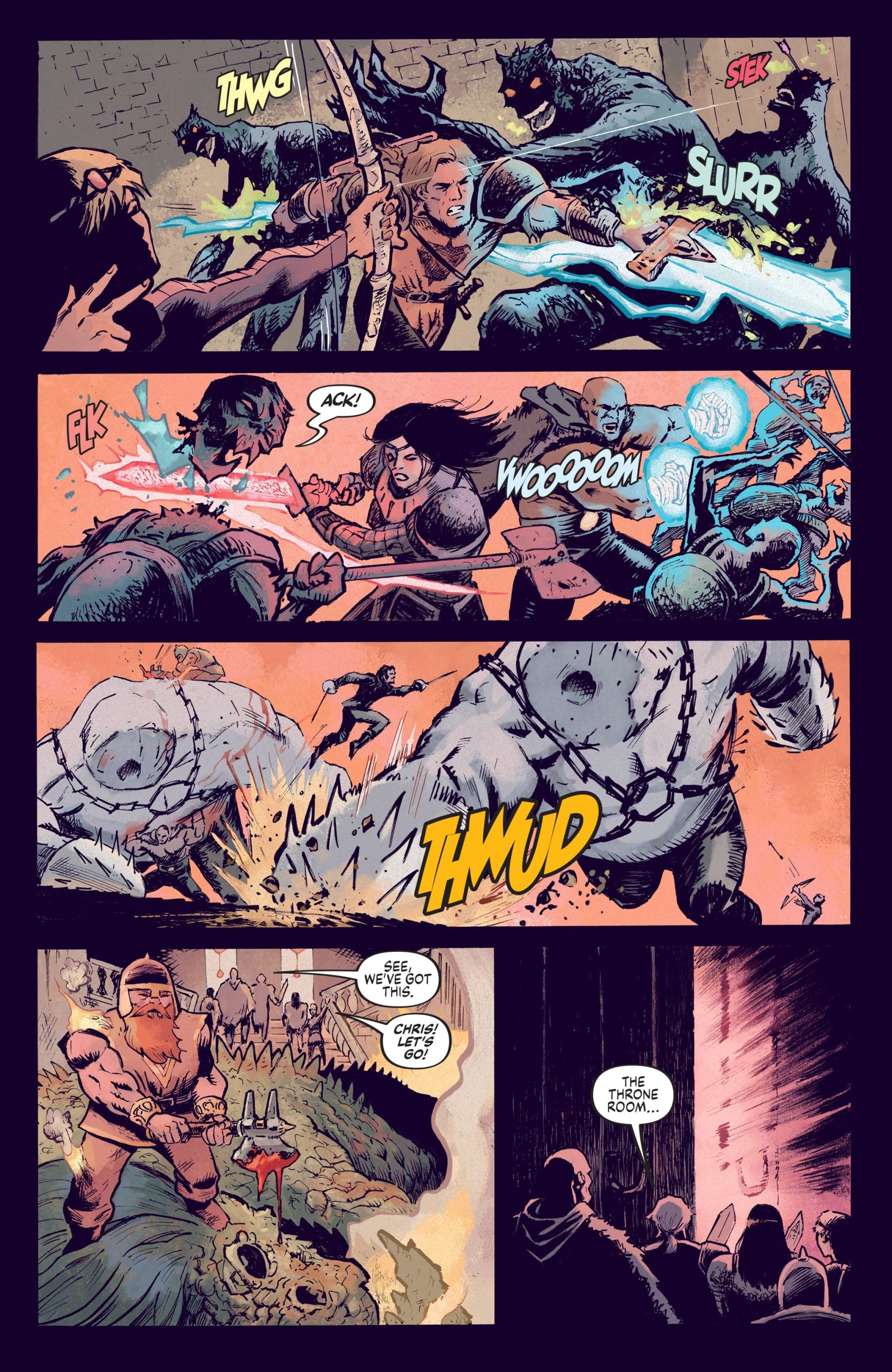
GVN: Working with your art team (artists Vic Malhotra and Eoin Marron), how did you translate the “glitches,” distortions, and system‑level anomalies of the story into visual language that enhances tension without overwhelming clarity? (Judging from the first-issue- job well done).
FRANK: Our artistic collaborators have been excellent in bringing their own ideas and designs to the work. We write full scripts, but they’ve handled a lot of creativity and design work on the page; we gave a pretty clear idea of the sci-fi nature and era of things, but most of the visual stylings were things the art team has designed. People in 2026 generally understand things like VR and gaming, but we were excited to push it a little further on the page; Vic, Eoin, and Lauren did an incredible job making that readable and exciting through the art.
STEPHEN: Our art team did an incredible job visualizing the different aspects of the story – the real world, the digital world, and the way those two things interact with each other. We wanted to leave a lot of room for our artists to incorporate their own ideas into our narrative, and I think they did a great job in how a lot of the story elements are portrayed. The action is very clear and I think the visual language of the story comes through really well.
The Relevance of their Story
GVN: Zero Instance feels timely in an era of AI, simulation theory, and digital identity. What thematic conversations were you hoping to tap into, and how did you balance big ideas with the momentum of a five‑issue thriller?
FRANK: We’ve worked on this book for a few years, so it was very strange to see AI dominate our cultural landscape as we continued to work. We both are advocates for human created art, so more and more the story pushed to celebrate the things that people may not see in themselves that allows them to create and grow. On the sci-fi side, it’s fascinating to imagine how a game that becomes self-aware would react and what it would do when pushed into “survival” mode. Ultimately this is a coming of age story as well, so we think it will resonate with modern audiences and hopefully reflect the time we live in.
STEPHEN: As Frank says, since we started working on the book, the landscape of AI and technology has already shifted dramatically. The book’s themes feel more relevant now than when we started writing it, but I think the things the book is expressing are timeless and relatable despite the lens we’re exploring them through. We both feel very strongly about human created art and how as a society we need a positive and healthy relationship with technology and how we use it in our personal and professional lives. There is a cautionary tale built into our narrative about the misuse of technology, but it’s really about finding one’s self and our place in the world.
Exploring New Chapters
GVN: Thank you once again for your time, Frank and Stephen. Finally, this miniseries is tightly constructed, but the world feels larger than the page. Are there corners of this universe, side characters, hidden systems, alternate timelines you’d be excited to explore if the opportunity arose?
FRANK: Absolutely. We want the five issue arc to feel rewarding and like a complete story, but we love the world we’ve built and hope people find it intriguing enough to want to revisit.
STEPHEN: Yes definitely! We wanted to create a complete, self-contained story with the five issue arc, but we have absolutely discussed where we would take things and have some seeds planted in the narrative should we be lucky enough to get that opportunity. I just really hope people enjoy the ride and appreciate everyone that takes a chance and gives it a read.
As Zero Instance continues to find its audience, it’s easy to see why this Comixology Originals release stands out. It’s a thriller with something to say, built by two writers who know exactly how to balance heart with high‑tech unease. And if this conversation is any indication, Barbiere and Rhodes are just getting started. You can check out Issue#1 now on Comixology Originals.

Senior Writer at GeekVibesNation – I am a 60 something child of the 70’s who admits to being a Star Trek/Star Wars/Comic Book junkie who once dove headfirst over a cliff (Ok, it was a small hill) to try to rescue his Fantastic Four comic from a watery grave. I am married to a lovely woman who is as crazy as I am and the proud parent of a 21-year-old young man with autism. My wife and son are my real heroes.