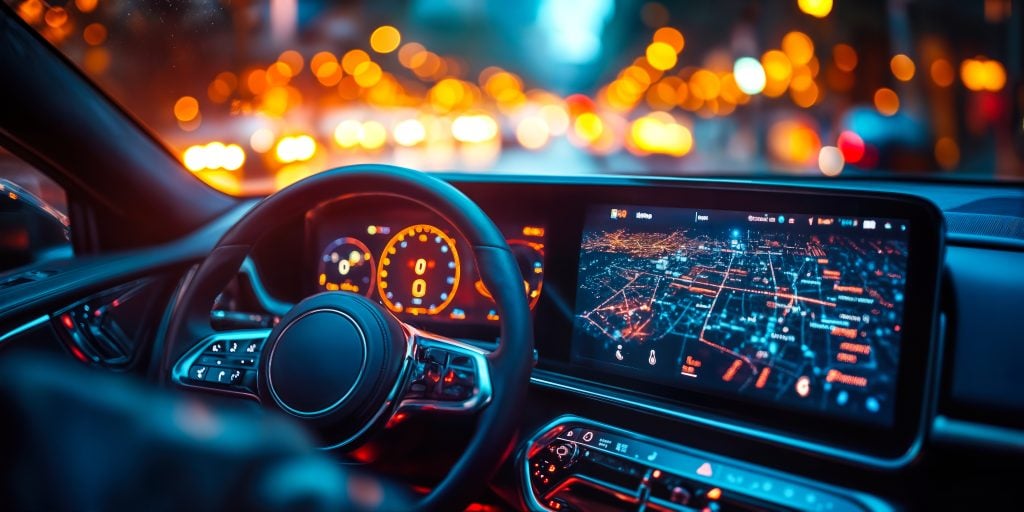
Modern vehicles are no longer defined only by engine power or mechanical design. Today, in-car technology plays a central role in shaping how vehicles accelerate, handle, and protect occupants on the road. From advanced sensors to intelligent driving systems, these innovations work together to improve both performance and safety. For many drivers exploring performance-oriented vehicles through a Dodge Texas dealership, understanding how these technologies function helps explain why modern cars feel faster, more stable, and significantly safer than earlier generations.
The Integration of Technology Into Modern Driving
In-car technology refers to the collection of electronic systems that assist, monitor, and enhance vehicle operation. These systems are deeply integrated into almost every aspect of driving, from acceleration and braking to steering and navigation.
Unlike older vehicles that relied entirely on mechanical input, modern cars use computers and sensors to interpret driving conditions in real time. This allows the vehicle to respond more quickly and accurately than human reflexes alone in many situations.
The result is a driving experience that feels more controlled, responsive, and refined, even under demanding conditions.
How Technology Improves Vehicle Speed and Acceleration
Speed in modern vehicles is no longer just about engine displacement or horsepower. Electronic systems now play a major role in how quickly and efficiently a car accelerates.
One key system is electronic throttle control, which replaces traditional mechanical connections between the accelerator pedal and engine. When a driver presses the pedal, sensors send signals to the engine control unit, which adjusts power output instantly and precisely.
This allows smoother acceleration and optimized fuel delivery. In performance-focused vehicles, launch control systems further enhance acceleration by managing engine speed, traction, and torque distribution for maximum efficiency off the line.
Turbocharging systems, often managed electronically, also improve speed by forcing more air into the engine for increased power output without significantly increasing engine size.
Advanced Transmission Technology and Shift Control
Modern transmissions are highly computerized, allowing for faster and more precise gear changes. Automatic transmissions now use adaptive learning systems that adjust shifting patterns based on driving style, road conditions, and performance demands, alongside auto repair software platforms that help streamline diagnostics and system optimization.
Dual-clutch transmissions and advanced automatic gearboxes can shift in milliseconds, reducing power loss and improving acceleration efficiency.
Some systems even allow manual override through paddle shifters, giving drivers more control while still benefiting from computer-optimized shift timing. This blend of automation and manual control enhances both performance and driving engagement.
Traction Control and Stability Management Systems
Control is one of the most important benefits of modern in-car technology. Traction control systems monitor wheel speed and detect when one or more wheels begin to slip.
When slipping is detected, the system automatically adjusts engine power or applies braking force to individual wheels to restore grip. This is especially useful during acceleration on wet, icy, or uneven surfaces.
Electronic stability control works alongside traction systems to help maintain vehicle balance during sharp turns or sudden maneuvers. By selectively braking individual wheels, the system helps prevent skidding or loss of control.
Together, these systems allow drivers to maintain confidence even in challenging driving conditions.
Steering Technology and Precision Handling
Modern steering systems are also enhanced by electronic assistance. Power steering systems have evolved from hydraulic systems to electric power steering, which uses sensors and motors to assist driver input.
This technology adjusts steering sensitivity based on speed. At low speeds, steering is lighter and easier to maneuver, while at higher speeds it becomes firmer for better stability.
Some advanced vehicles also feature adaptive steering systems that adjust steering ratios dynamically. This improves responsiveness during cornering while maintaining stability on highways.
The result is a more precise and controlled driving experience.
Braking Systems and Emergency Safety Technology
Braking technology has seen major advancements in recent years. Anti-lock braking systems (ABS) prevent wheel lock-up during sudden braking, allowing drivers to maintain steering control.
Electronic brake-force distribution helps balance braking power between wheels based on load and road conditions.
More advanced systems include automatic emergency braking, which uses sensors and cameras to detect potential collisions. If the driver does not react in time, the system can automatically apply the brakes to reduce or prevent impact.
These technologies significantly enhance safety and reduce the risk of accidents in everyday driving situations.
Driver Assistance and Collision Prevention Systems
Modern vehicles are equipped with a wide range of driver assistance features designed to reduce human error, which is a leading cause of accidents.
Lane departure warning systems alert drivers when they unintentionally drift out of their lane. Lane-keeping assist can gently steer the vehicle back into position if necessary.
Blind-spot monitoring uses sensors to detect vehicles that may not be visible in mirrors, helping prevent collisions during lane changes.
Adaptive cruise control maintains a safe following distance from the vehicle ahead by automatically adjusting speed. These systems reduce driver fatigue and improve overall road safety, especially during long highway journeys.
Camera and Sensor-Based Awareness Systems
Modern cars rely heavily on cameras and sensors to monitor their surroundings. These systems provide a 360-degree view of the vehicle’s environment, helping with parking, navigation, and obstacle detection.
Rearview cameras, surround-view systems, and parking sensors assist drivers in tight spaces. Forward-facing cameras and radar systems detect pedestrians, vehicles, and other hazards in real time.
These technologies significantly improve situational awareness, reducing blind spots and enhancing safety in urban and highway driving environments.
Infotainment Systems and Driver Focus
In-car infotainment systems are not just about entertainment—they also contribute to safety and convenience. Large touchscreens, voice controls, and smartphone integration reduce the need for physical distractions.
Navigation systems provide real-time traffic updates and alternative route suggestions, helping drivers avoid congestion and reduce travel time.
Voice-activated controls allow drivers to adjust settings, make calls, and control media without taking their hands off the wheel, improving focus on the road.
However, older vehicles, such as classic Mercedes-Benz models, may have outdated infotainment systems. In this case, a Mercedes-Benz Bluetooth adapter can add hands-free calling and wireless music streaming, helping reduce distractions by enabling safer communication and easier access to audio and navigation functions while driving.
Performance Monitoring and Driving Modes
Many modern vehicles include selectable driving modes that adjust performance characteristics based on conditions or driver preference.
Sport mode typically enhances throttle response, steering sensitivity, and transmission behavior for more dynamic driving. Eco mode optimizes fuel efficiency by adjusting power output and climate control systems.
Performance monitoring displays can show real-time data such as G-forces, acceleration timing, and engine output. These features give drivers greater insight into vehicle performance and control.
Connectivity and Smart Vehicle Systems
Connected car technology allows vehicles to communicate with external systems, including smartphones, cloud services, and traffic networks.
Drivers can remotely start their vehicles, check diagnostics, and receive maintenance alerts through mobile applications.
Over-the-air updates ensure that software systems remain current, improving performance and adding new features over time without requiring dealership visits.
This connectivity enhances convenience while also improving long-term vehicle functionality.
The Future of In-Car Technology
In-car technology continues to evolve rapidly, with future innovations focusing on automation, artificial intelligence, and predictive systems.
Semi-autonomous driving features are becoming more advanced, allowing vehicles to handle more aspects of driving under supervision. Artificial intelligence is being used to learn driver behavior and optimize vehicle settings automatically.
Vehicle-to-vehicle and vehicle-to-infrastructure communication may further improve traffic flow and safety in the coming years.
As these technologies advance, the relationship between driver and vehicle will continue to become more integrated and intelligent.
Conclusion
In-car technology has fundamentally transformed how vehicles deliver speed, control, and safety. Through advanced systems such as electronic throttle control, stability management, adaptive steering, and collision prevention technology, modern vehicles offer a driving experience that is more responsive and secure than ever before.
These innovations not only enhance performance but also reduce risks and improve driver confidence in a wide range of conditions. As automotive technology continues to evolve, future vehicles will become even more intelligent, further refining the balance between power, precision, and safety on the road.

Robert Griffith is a content and essay writer. He is collaborating with local magazines and newspapers. Robert is interested in topics such as marketing and history.