

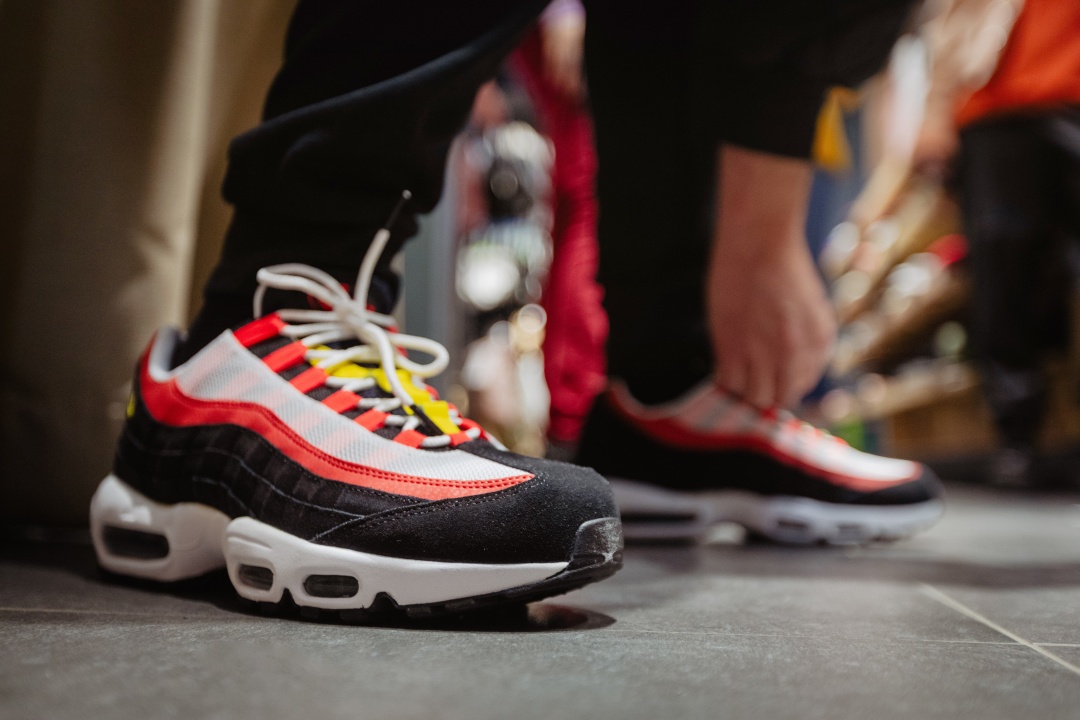
Looking to elevate your workout performance and avoid injuries? The secret to achieving your fitness goals might just be found beneath your feet. This guide explores how choosing the right sneakers – ones that fit properly and support your unique body mechanics – can enhance your training, whether you’re a runner, weightlifter, or fitness enthusiast.
Boosting Performance with the Right Footwear
A pair of well-chosen sneakers can make a world of difference in your workout performance.
Why Proper Footwear Matters
Sport-specific sneakers are designed to enhance your training by improving running efficiency, reducing fatigue, and supporting better form. When your shoes complement your natural movement, every stride becomes more effective, and every lift feels more controlled.
The Science of Biomechanics and Energy Transfer
Supportive footwear optimizes your biomechanics, helping align your stride and absorb impact. This not only maximizes your power output but also supports better endurance during longer workouts, keeping you at your best even as you push through fatigue.
Preventing Injuries with the Right Shoes
The Risks of Wearing the Wrong Footwear
Wearing the wrong shoes during a workout can lead to a variety of injuries, including shin splints, ankle sprains, and plantar fasciitis. Without proper support or the right fit, your joints and muscles take on unnecessary stress, leading to discomfort and potential harm.
Features That Help Prevent Injuries
Look for shoes that offer the following essential features:
- Adequate arch support to maintain proper alignment
- Shock absorption to reduce the impact on joints
- A secure heel counter for added stability
- Breathable materials to keep your feet cool and dry
Research has shown that athletes who wear shoes tailored to their foot type are up to 25% less likely to experience overuse injuries, highlighting the importance of selecting the right pair.
How to Choose the Best Shoes for Your Workout
Understand Your Foot Type
Identifying your foot type – whether you have flat feet, high arches, or a neutral gait – is the first step in choosing the right sneakers. Your foot shape determines the level of support and motion control you need, which will help prevent injuries and improve comfort.
Match the Shoe to Your Activity
Different workouts require different types of shoes:
- Running Shoes: Look for cushioning and shock absorption to protect against the repetitive pounding of your feet.
- Cross-Trainers: Ideal for gym workouts and activities that require both lateral and forward motion, offering versatility and stability.
- Weightlifting Shoes: Designed with flat soles for added stability, these shoes keep you grounded during heavy lifts.
Fit Is Key
A proper fit is crucial for injury prevention and performance. Your sneakers should fit snugly, without being too tight, and provide enough space for your toes to move comfortably. Avoid shoes that slip at the heel or pinch in the toe box.
When to Replace Your Workout Shoes
Even the best sneakers wear out over time, and regular replacement ensures your feet continue to receive the right support.
Signs It’s Time for New Shoes
- Worn-out midsoles: A flattened or compressed midsole reduces cushioning.
- Smooth outsole tread: The tread pattern should remain intact for proper traction.
- Decreased comfort: If your shoes feel less supportive or uncomfortable, it’s time to upgrade.
To maintain optimal performance, replace running shoes every 300–500 miles or after about 45–60 hours of training for other activities.
The Impact of Footwear on Your Well-being
Physical Benefits
Proper footwear not only prevents injuries but also enhances your posture and joint health. A good pair of shoes improves energy return and reduces impact, making high-intensity exercises easier on your body.
Mental Benefits
Confidence plays a huge role in workout consistency. When you trust your shoes to provide stability and comfort, you’re more likely to stay committed to your training routine. A pair like The New Balance 991 women’s sneakers can motivate you with its cushioned comfort and sleek design, helping you stay focused and on track.
Barefoot Shoes: A Growing Trend
The Appeal of Barefoot Shoes
Minimalist footwear promotes a more natural range of motion and can improve foot strength and balance. By allowing your feet to feel the ground more directly, barefoot shoes help enhance proprioception – your body’s awareness of its position in space.
What to Consider Before Switching
- Cushioning: Barefoot shoes offer minimal padding, which may not provide enough protection for individuals with weak arches or prior injuries.
- Gradual Transition: If switching to barefoot shoes, start slowly to allow your feet time to adapt.
- Choose the Right Model: Ensure the shoes are suitable for your workout type, whether that’s running, gym exercises, or walking.
Who Should Consider Barefoot Shoes?
Barefoot shoes may not be for everyone. Before making the switch, consult a podiatrist or physiotherapist to ensure they’re a good fit for your specific workout routine and foot structure.
Frequently Asked Questions
Why is Proper Footwear Important for Workouts?
Wearing the right shoes during exercise is vital for reducing the risk of injuries like plantar fasciitis, shin splints, and ankle sprains. Proper shoes provide essential support, cushioning, and stability, allowing for better performance and comfort during your workout.
What Are the Benefits of Supportive Shoes?
Supportive shoes protect your feet and joints, helping to prevent injuries such as stress fractures and shin splints. Investing in shoes with proper support is crucial for maintaining long-term foot health and enhancing your overall performance.
How Should Sneakers Fit?
Your sneakers should fit snugly without being tight. There should be about a thumb’s width of space between your longest toe and the front of the shoe, and the heel should stay secure without slipping.
Why Are Sneakers Crucial for Performance?
Sneakers protect your feet from impact, provide stability, and enhance comfort during physical activity. The right pair not only prevents injuries but also helps boost your performance and confidence. If you’re on the hunt for a pair that matches your needs, a trusted sneakers store can help guide you toward the best options.

Amanda Lancaster is a PR manager who works with 1resumewritingservice. She is also known as a content creator. Amanda has been providing resume writing services since 2014.