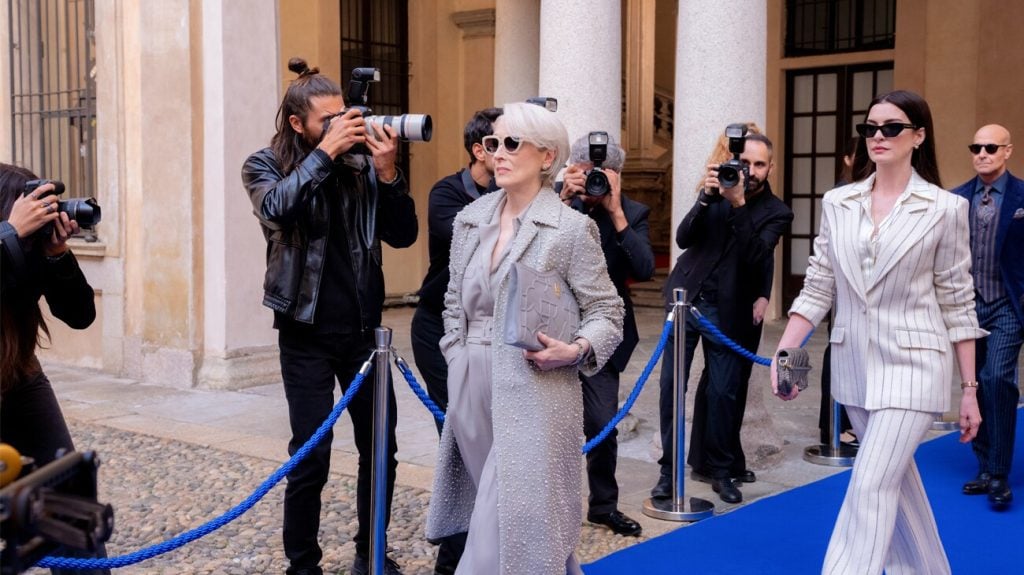
We’ve been mining the well of nostalgia for quite a number of years now. While there still exist plenty to pull from within the 80s and 90s, as of recently, the 2000s and (*shudder*) the 2010s have been the name of the game, as time goes by quicker and gaps between sweet classics grow larger. Case in point, it has been nearly 20 years since the original The Devil Wears Prada landed in theaters, and naturally, The Devil Wears Prada 2 was always going to be a fair possibility with the original’s ever-growing fanbase. What makes The Devil Wears Prada 2 particularly interesting in the legacy sequel lexicon, however, is how it actually capitalizes on the 20-year time gap between films.
The sequel is never quite as sharp or funny as its predecessor, but what it lacks in more refined structure it makes up for in surprisingly biting commentary. The media and journalism landscape has changed substantially since 2006, and the film often brings a poignancy to the decreasing popularity of journalism and how the elevation of online culture has shifted both the goals of Runway and the characters that work within it. In addition to most of the original cast being back and as witty as ever, The Devil Wears Prada 2 is a fun enough sequel that brings enough of an interesting angle to its modernization to keep it from being groan-worthy, even in the midst of expected but cute nostalgia plays.
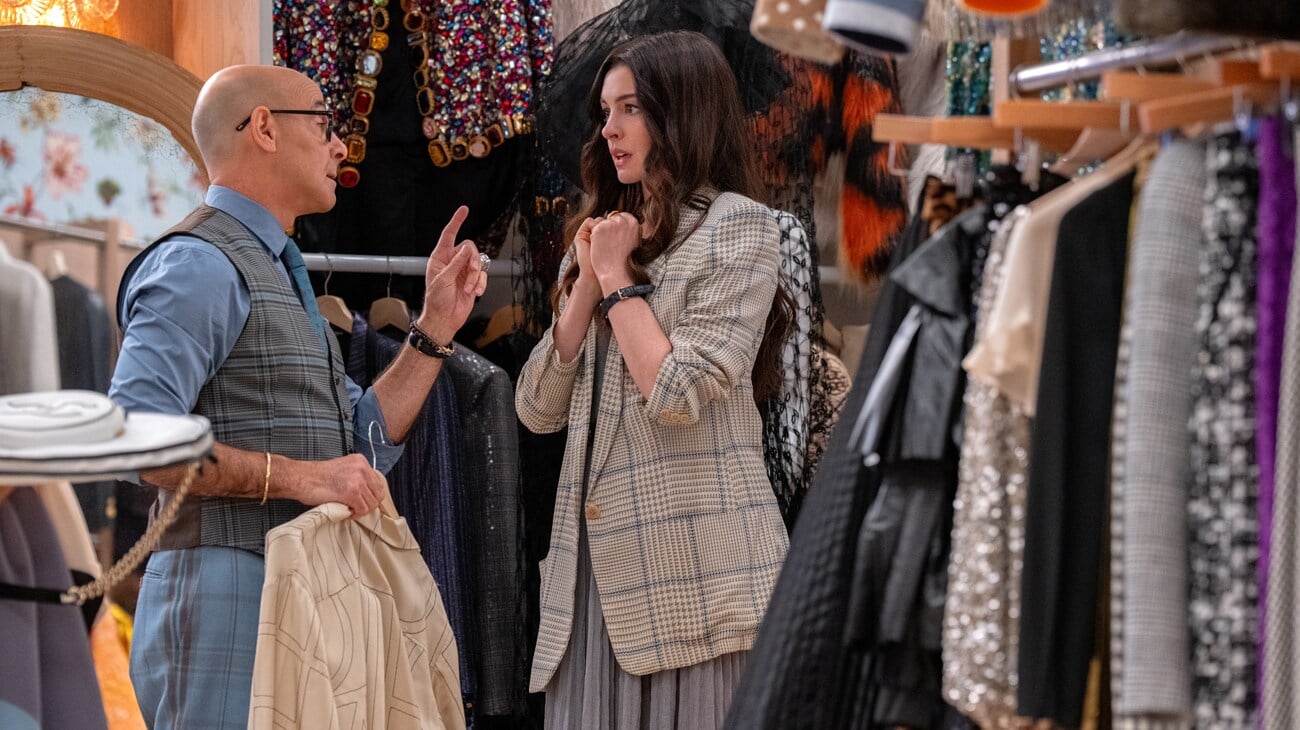
Just like in real life, it’s been about 20 years since the events of the first film, with Andy Sachs (Anne Hathaway) still as spunky as ever in her further endeavors in the world of journalism. However, Andy is about to learn what many of us have known for years, which is that print journalism is dying (or at least taking a different form) as the film opens with her entire department, including her, at work getting laid off by text while she accepts an award.
As Andy begins to search for a new job, we learn she’s not the only one struggling under the current societal changes, as Miranda Priestly’s (Meryl Streep) Runway magazine is under fire for a recent scandal that paints them in a bad light. With Miranda getting scrutinized all over social media, Runway’s overseer, Irv Ravitz (Tibor Feldman), decides to offer Andy a job to fix their problems and helm a new features department for the Runway magazine. Andy accepts it, seeing it as a new way to pave a new path in her journalism endeavors.
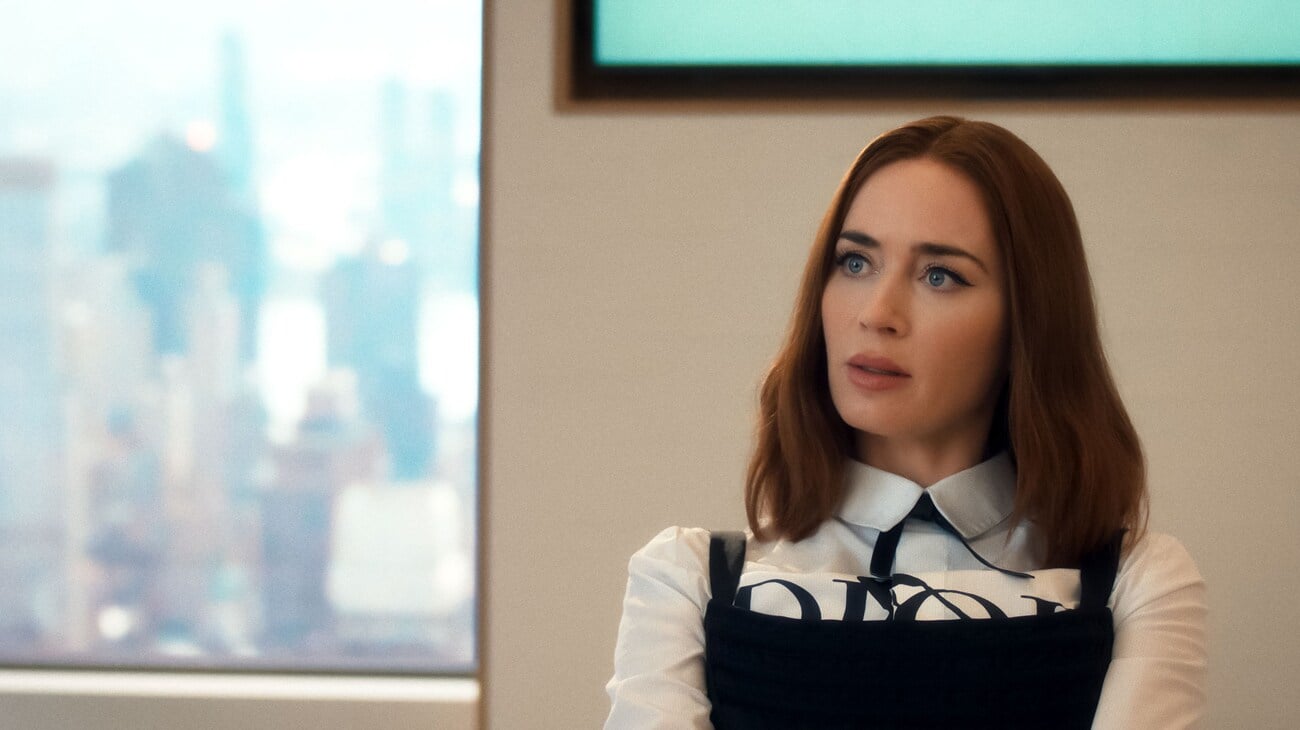
With Andy getting familiarized with Miranda’s new work routines with new employees, Nigel’s (Stanley Tucci) placement on the totem pole, and why Emily (Emily Blunt) left Runway for Dior, we watch both old and new characters navigate through the ever-changing modern realities of the media landscape and journalism, and how it affects the way they all approach what they do.
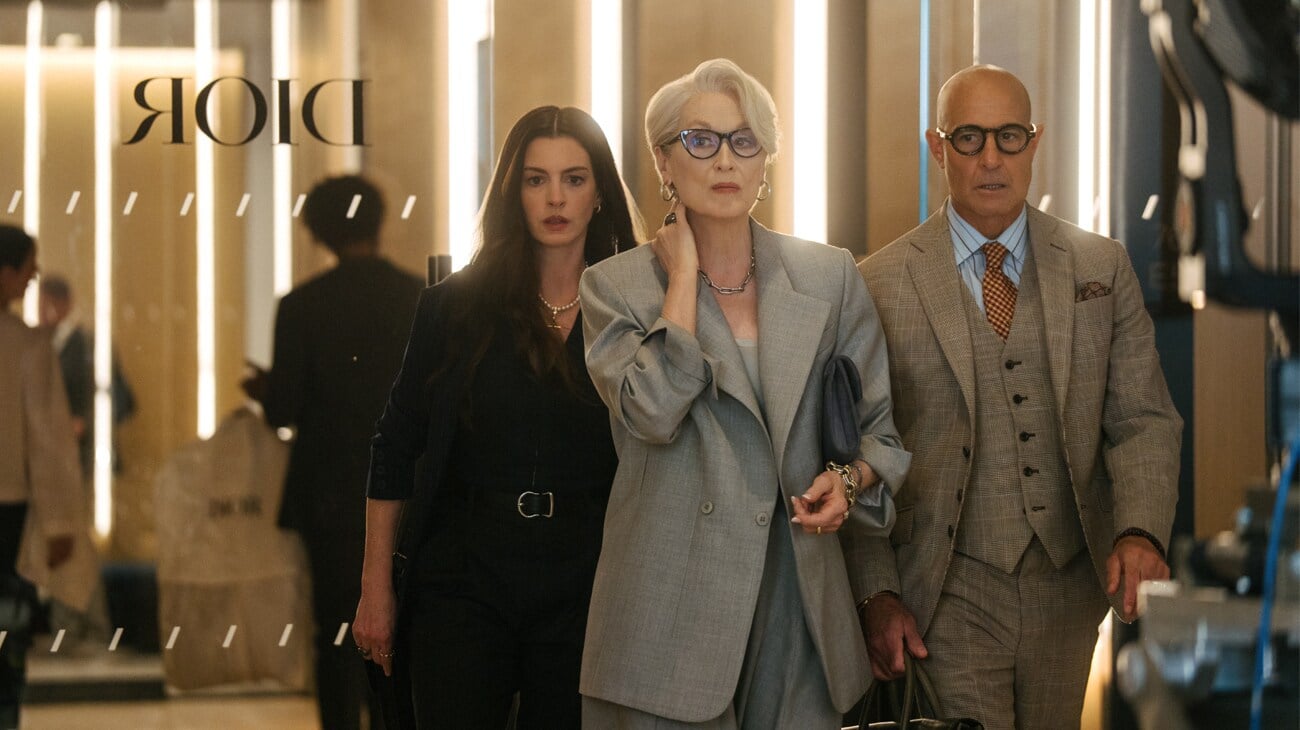
Sequelitis is a sickness that tends to infect most legacy sequels released today in the most lazy of ways, and while The Devil Wears Prada 2 manages to avoid most of the pitfalls, it isn’t quite immune to them either. While the difference in character dynamics and actual plot beats are thankfully swayed in a new direction, much of the inner bones of this sequel structure does remain the same as the original in specific ways. And, while there’s enough changed to keep it from being a huge problem, it definitely makes aspects like the less punchy humor and returning director David Frankel’s overall flat look of the sequel visually more notable in comparison.
There’s also a plethora of new characters like Miranda’s new husband, Stuart (Kenneth Branagh), and newbies taking the jobs that Andy and Emily had in the previous film, Amari (Simone Ashley) and Charlie (Caleb Hearon). They all end up having a humorous moment or two and fit their required roles well enough, but one can’t help but wonder if the movie would have a more refined edge to it if there weren’t so many new elements to juggle along with catching up with the original cast.
Where the sequel finds a relatively fresh voice apart from the original is through its surprisingly in-depth thematic relevance of the state of our current media under further consolidation and shuttering of many departments and journalism branches in the fashion world. It’s no secret that media and print journalism have been deteriorating for some time now, with more and more people getting their news and “content” from scrolling through reels and posts on their phones rather than reading actual writing.
Throughout the film, we see how the shift to online engagement and the peril of being shut down at a moment’s notice affects our leads firsthand as they fight to essentially save any true integrity and meaning that journalism could still have left. What makes this relevant commentary so effective isn’t just that it’s present in the film but that it brings each legacy character within the film out of their element in the new landscape. This gives the movie decent reasoning to add to the depth of these characters two decades later through unexpectedly poignant development within their relationships and fresh situational comedy.
Streep, Hathaway, Tucci, and Blunt are all charming as ever in their return to the roles, and it’s like they never left them all those years ago, but what’s on returning screenwriter Aline Brosh McKenna’s page further amplifies their talents. Andy’s journalism escapades in getting Runway back on the map are as riveting as ever as she tries to adapt to what will actually get the masses to engage with her work amidst the rise of social media. Blunt is still funny as Emily, as it’s interesting to see her now working away from the magazine she idolized for so much of her life.
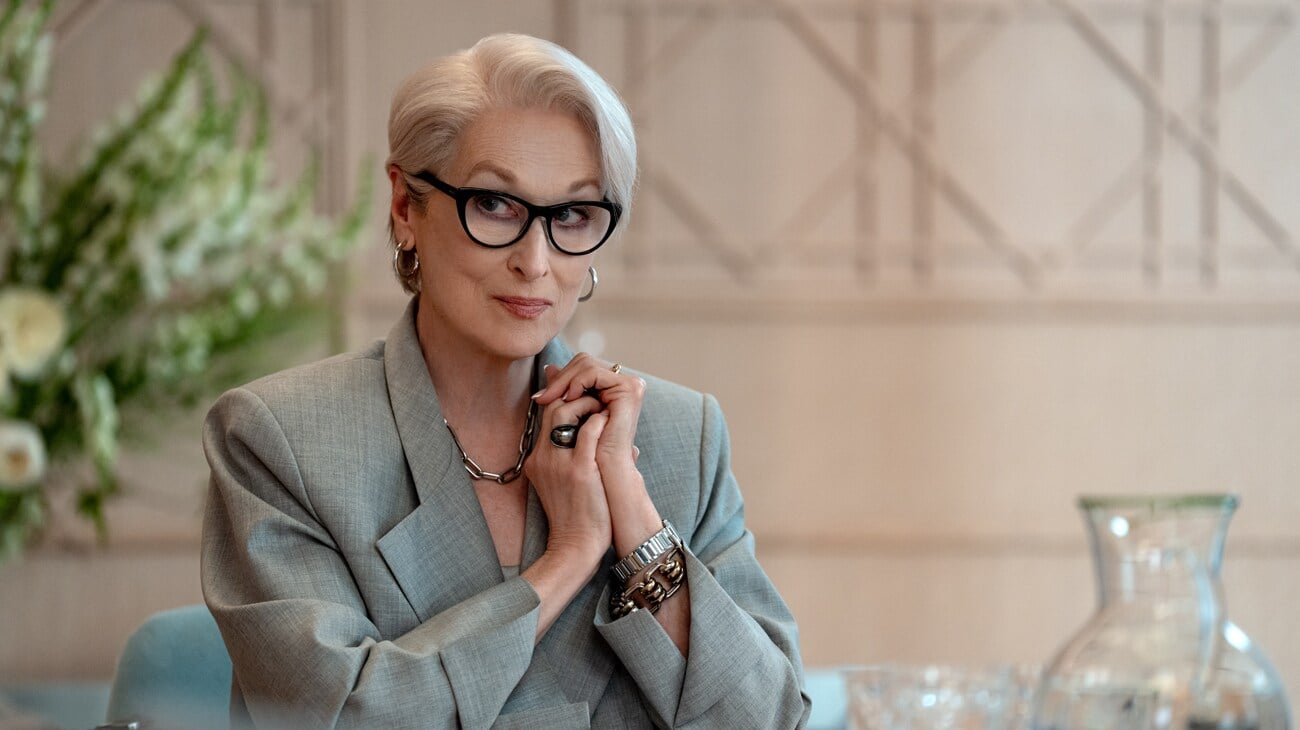
Tucci’s Nigel has some of the film’s sweetest moments near the end as one of Runway’s strongest soldiers amidst the constant ups and downs, but to no one’s surprise, Streep is yet again great here. Miranda arguably has the most new shades to any character in the cast, having to introduce more inclusive, softer language to her cutthroat sensibilities. Every character’s way of life has been uprooted by modern contemporary media, and it makes both the humor and drama here compelling in a way that justifies this sequel’s existence.
There exists a deep, cruel irony for a Disney-distributed blockbuster sequel to be partially about the shuttering or potential closure of multiple journalism or media divisions, given recent events, and The Devil Wears Prada 2 isn’t quite as sharp in the comedy department as its predecessor, but it manages to stand on its own two feet in comparison to the first. With the returning cast members as fun as ever, and relevant commentary on the decaying state of modern journalism, The Devil Wears Prada 2 is a less effective but still charming and worthy sequel.
The Devil Wears Prada 2 will debut exclusively in theaters on May 1, 2026, courtesy of 20th Century Studios.
Before we let you go, we have officially launched our merch store! Check out all of our amazing apparel when you click here and type in GVN15 at checkout for a 15% discount!
For major deals and money off on Amazon, make sure to use our affiliate link! If you are purchasing any of the latest and best in physical media at MovieZyng, you can support us using our affiliate link.
The Devil Wears Prada 2 is a less effective but still charming and worthy sequel

Lover of film writing about film. Member of the Dallas Fort-Worth Critics Association. The more time passes, the more the medium of movies has become deeply intertwined with who I am.