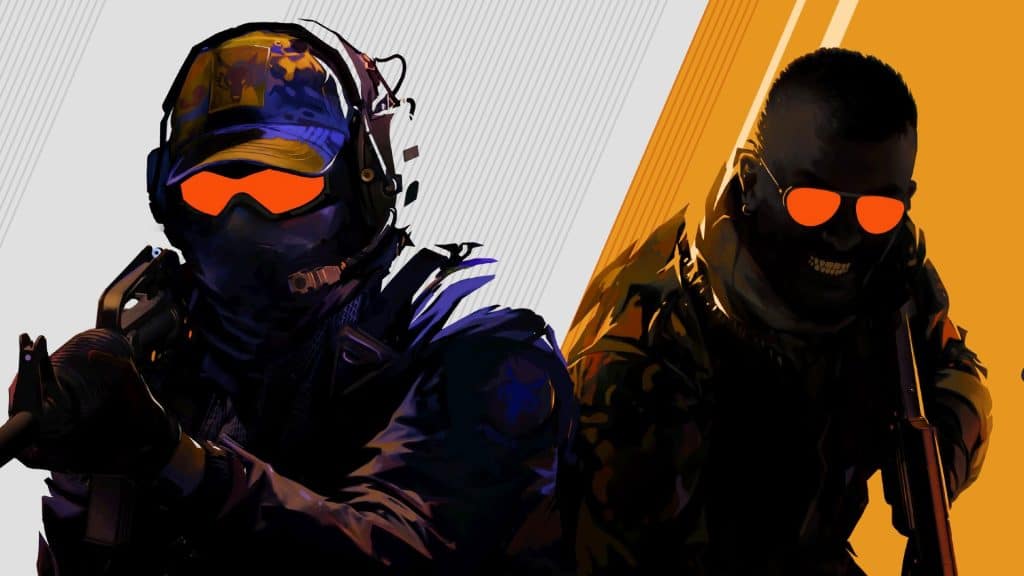
When high-profile lawsuits hit Valve and the familiar loot box system came under threat, the company introduced Counter-Strike 2 players to an innovative way of obtaining in-game items. Dead Hand Terminal arrived precisely at the moment when discussions about the fate of cases became a central topic in the industry. Can the new system protect the market from bans, and what changes will it bring to millions of players?
Why Loot Boxes Spark Debate
The concept of loot boxes in the gaming industry has become a symbol of chance and gambling. Players purchase cases without knowing what they will receive, and the prize can be either valuable or entirely ordinary. All this reminds one of popular virtual gambling activities. A person play XXXtreme Lightning Roulette or Plinko and has no idea what result their actions will lead to. At the same time, real money is spent during the process—just like when buying loot boxes.
Such a mechanism raises concerns among regulators, as it resembles a lottery and can form behavioral patterns similar to gambling. In recent years, complaints about such systems have arisen in many countries, from Belgium to Australia.
European and American experts have repeatedly compared loot boxes to real gambling. According to analysts, the skin market in Counter-Strike 2 alone already exceeds $4.3 billion (New York Attorney General, 2026). These figures underline the economic significance of the issue and explain why the question of monetizing in-game items is increasingly in the spotlight of society and authorities.
Legal Pressure on Valve
In February 2026, New York State Attorney General Letitia James filed a lawsuit against Valve, accusing the company of creating a system where players pay money for a chance to obtain a rare item with real value. In official documents, loot boxes are described as “a classic example of gambling,” with particular attention paid to risks for minors.
Two weeks later, a similar lawsuit was initiated in the Washington district court. Here, a class action represented the interests of consumers, and Valve was accused of using casino-like tactics to encourage users to spend more. To confirm the scale of this system, the following data was cited: in 2023 alone, players spent about $1 billion on case keys, and the total revenue of Counter-Strike 2 in 2025 exceeded $1.16 billion (Hagens Berman, 2026).
The lawsuits not only threaten Valve’s traditional business model but also set a precedent for other companies working with the monetization of random items. Amid pressure in the US, the company began adjusting its decisions in Europe as well, where transparency requirements are becoming the standard.
Valve’s Response and the Introduction of Dead Hand Terminal
In March 2026, Valve publicly commented on loot boxes for the first time, comparing them to collectible cards and toy “surprises.” The company emphasized that in-game items are purely cosmetic in nature while refusing to eliminate the possibility of transferring and selling items between players.
Almost simultaneously with this statement, the Dead Hand Terminal system appeared in Counter-Strike 2. Now, players can see which item, in what condition, and at what price they can acquire. They are given up to five opportunities to refresh the offer, after which the selection window disappears. This mechanic resembles a showcase with a fixed price rather than a classic lottery.
At the same time, Valve implemented a similar X-Ray Scanner for players from Germany and the Netherlands, which allowed the company to adapt to local legislation. This approach demonstrates a drive for greater transparency, which is becoming a general trend in the market.
Reaction to Changes and New Price Trends
The appearance of the Dead Hand Collection caused a surge of interest in new in-game items. In the first week, prices for rare gloves from the new collection soared: for some models, the initial price range was from $120 to more than $1,400. Especially high demand was observed for exclusive variants such as Specialist Gloves | Cloud Chaser and Sport Gloves | Frosty, for which market prices reached $10,900 and $6,400 respectively (as observed by Skinport analysts).
Players and experts note that the launch of the new system changed the structure of the skin market. After the release of the Dead Hand Collection, prices for gloves from previous cases dropped by 3–9%, and some expensive pairs lost more than 10% of their value. The community is actively discussing a possible connection between legal pressure and the introduction of new mechanics, viewing Dead Hand Terminal as a step towards meeting the changing requirements of legislation.
The Future of Loot Boxes and Monetization
If US courts side with the plaintiffs, Valve may be forced to completely remove cases for American players or rebuild the monetization system. In this case, Dead Hand Terminal becomes a backup option, allowing interest in new collections and valuable items to be maintained without elements of chance.
According to analysts, cases will likely remain in the game, but the role of the primary mechanism for obtaining skins will decrease. Interest is already growing in transparent systems where the player knows in advance what they are paying for. Such practices are also being implemented in other games—for example, in FIFA and Apex Legends, where transparency and spending control are becoming part of the user experience.
Why the Industry Should Watch This Transformation
The shift in the approach to loot boxes reflects a global trend toward protecting players’ interests and regulating in-game spending. External pressure from courts, legislators, and the public influences how companies build their products and shape audience expectations.
Whether Valve’s new system will be able to maintain the balance between the interests of players, business, and legislative requirements remains an open question. In a situation where traditional models are beginning to transform, it is precisely such changes that become a litmus test for the entire gaming industry.

Tyler Harrison is a huge horror movie fan always on the hunt for the next big scare. His reviews offer deep insights into classic slashers and the latest releases, exploring themes and innovative techniques. Tyler’s passion for horror makes his perspective essential for any enthusiast.