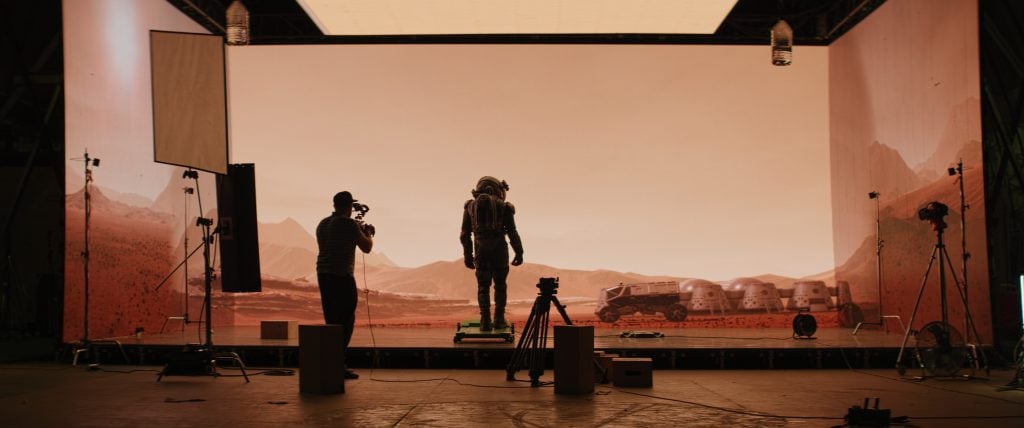
When viewers watch a movie, series, fantasy, commercial, or online video, they generally focus on the story. They notice the characters, the performances, the world, the movement, the mood, the pace and the emotion. If everything works, they don’t spend a lot of time contemplating the production choices behind the screen.
But those choices shape almost everything the audience believes.
A location can make a story feel real or fake. The story artist could make the scene feel alive or empty. Voices and audio can make a trailer feel extreme, funny, or exciting. A camera choice could give the scene intimate or far-reaching meaning. Even small hints with props, lighting, sound, and costumes can influence whether or not the audience accepts the story.
This is why production planning matters, even for entertainment projects that seem simple from the outside. Good behind-the-scenes choices help the audience stay inside the story.
Locations Build the World
A good location does more than give the camera something to look at. It helps build the world of the story.
A superhero fan film, a horror short, a fantasy teaser, a sci-fi concept video, a documentary scene or a commercial spot can all become stronger when the location supports the idea. The right street, warehouse, studio, apartment, forest, office or event space can tell the audience what kind of world they are entering before anyone says a word.
The wrong location can have the opposite effect. A scene may be well acted, but if the space feels too clean, too empty, too modern, too generic or too unrealistic for the story, the audience may feel disconnected.
This is especially true for genre content. Horror needs an eerie atmosphere. Sci-fi needs believable space and texture. Fantasy demands visual direction. The action requires speed and safety. Comedy projects need proper timing and vicinity to work together. A location does not only need to look appealing or extraordinary. It should help the scene attain its maximum potential.
Casting Affects the Believability of a Scene
Casting is not only about the main actors. Background performers, presenters, models, extras, voice talent and real people can all affect how believable a scene feels.
A crowd that looks wrong can weaken a scene. A presenter with the wrong tone can make a video feel forced. A mood-appropriate voice can change how the target market receives the message. Minor roles are also memorable because they help fill the world around the principle story.
For euphoric content, audiences often quickly notice when something feels slightly awkward. They generally don’t understand why, but they can sense when a character, voice, or background moment fails to fit in well. Good casting choices help the arena feel complete.
This matters for independent creators as much as larger productions. A small project may not have a large budget, but it can still make careful choices about who appears on screen and how they support the tone.
Crew Choices Shape the Final Look
A camera operator, gaffer, sound recordist, editor or production designer can change the quality of a project in ways that are not always obvious to the viewer.
The camera crew decides how the audience sees the scene. Lighting affects mood, genre and focus. Sound affects comfort and clarity. Editing controls rhythm. Art direction gives the world texture. When these areas work together, the video feels more polished and intentional.
This is why the crew must be formed such that it accommodates the needs of the project while adapting to its theme and style seamlessly. A horror short may require a person who understands the impact shadow and tension can bring into the scene. A documentary scene may want a team that can move quickly and capture natural moments. A product video may demand clean lighting and a controlled detail. A fan-centric interview may require accurate audio, subtle framing, and a good layout.
The best crew choices are not always the most expensive. They are the choices that fit the project’s real needs.
International Projects Need Local Detail
Nowadays, many entertainment projects cross borders. A writer might film abroad, interview talent in foreign locations, shoot at a festival, capture a fan event, or create a video around a particular city or culture. When this happens, the local detail becomes critical.
An outside team may come up with creative ideas, but locals are familiar enough with the place to guide you in bringing your vision to life. They know how places work, when public areas are most and least crowded, what areas require permission, what sounds natural, how inhabitants behave, and what information may feel inaccurate.
Before confirming overseas production support, producers and creators often compare several sources of local information, from personal referrals and location contacts to production directories such as World Production Service. The useful questions are practical and creative at the same time: what locations feel right, who can support the shoot, what local details need care, and which assumptions should be checked before filming.
That kind of preparation can help a project feel more authentic without making the process too complicated.
Sound Can Make or Break the Experience
Audiences may forgive a simple image faster than they forgive a bad sound. Poor audio can make a video feel amateur even when the visuals are strong.
This is especially important for interviews, short films, reviews, podcasts with video, festival coverage, trailers, explainers and behind-the-scenes content. If the conversation is unclear, if the room is echoing, if the background noise is just too loud, or if the music tampers with the voice, the viewer may also get bored.
Good audio planning no longer continuously requires a massive setup. In addition, this may mean choosing a quieter room, using the right microphone, recording the room tone, checking levels, or having a sound recordist for scenes where dialogue matters. These alternatives sound easy and simple, but they protect the enjoyment of the target audience.
Production Details Support Fan Trust
Fan audiences are often detail-oriented. They notice costumes, references, tone, locations, props, accents, scripts, and world-building choices. They often understand the genre or franchise language well. When a project respects that information, the audience is much more likely to be drawn to it.
Now, this doesn’t mean that every project needs a big budget or an ideal production value. Many beloved fan films, short-form videos, and creator-led campaigns work simply because they have been executed diligently. The important thing is intention. Understanding what matters to your audience and using your energy there can optimize the outcomes.
If the story depends on the atmosphere, protect the location and sound. If it is based on overall performance, protect casting and rehearsal time. If it depends on action, protect safety and camera coverage. If it’s based on humor, protect timing and editing.
Good production planning helps creators focus on the details that matter most.
Better Planning Helps Creativity
Some people worry that planning makes a project less creative. In reality, good planning often gives creativity more room.
When the crew understands the location, the sound is clean, the casting is appropriate, the program is practical and the scene is ready, the creative team can focus better on the performance, story and emotion. When fundamentals are weak, everyone spends energy fixing problems and that simply leads to the team being deviated from the actual purpose.
Behind-the-scenes production is not separate from the audience experience. It is part of what creates that experience. The viewer may not see the planning, but they feel its result.
A story becomes easier to believe when the world around it feels considered. That is true for big films, small indie projects, online videos, fan content and branded entertainment. The screen may show the most final image easily, but it is the choices behind the image that help it come to life.

Amanda Lancaster is a PR manager who works with 1resumewritingservice. She is also known as a content creator. Amanda has been providing resume writing services since 2014.