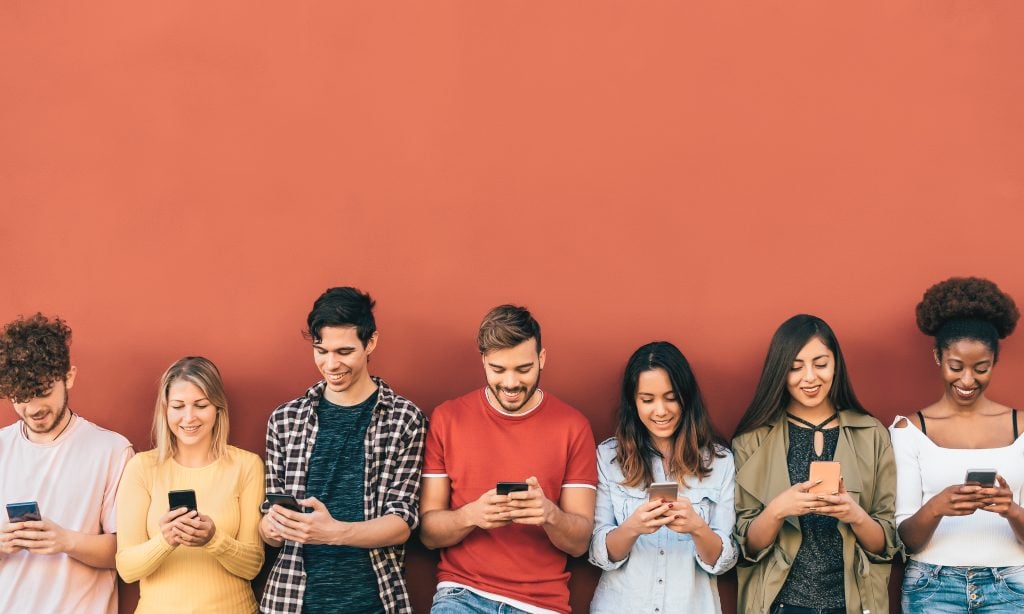
Swipe culture was supposed to make connection effortless. Instead, it made it exhausting.
Gen Z is increasingly shifting away from swipe-based platforms toward more intentional, real-world ways of connecting.
By mid-2025, 69% of downloaded swipe-based apps were deleted within 30 days, according to mobile analytics firm AppsFlyer. That number has been steadily rising. Match Group reported its fifth consecutive quarter of subscriber losses. Bumble’s paying user base dropped 21% in Q4 2025, while Tinder’s direct revenue declined 7% year over year.
At the same time, a July 2025 Forbes Health survey revealed that more than half of Gen Z users feel burned out often or always while using these platforms. Across all age groups, 78% reported emotional, mental, or even physical exhaustion tied to app usage. This growing dating app fatigue is pushing users to rethink how they connect.
The complaints are consistent: too many shallow interactions, too much rejection, and too little real connection.
People are logging off. But they’re not giving up on meeting someone—they’re just changing how they do it.
Swipe Culture Meets Digital Fatigue
The shift away from swipe-based platforms is not happening in isolation. It’s part of a broader cultural movement tied to screen fatigue and digital overload.
Gen Z, more than any other generation, has grown up inside algorithm-driven environments—social media feeds, short-form video loops, and endless notifications. Swipe-based apps followed the same model: fast, repetitive, and built for volume.
But that model is now colliding with a desire for something more intentional.
An Axios and Generation Lab survey found that 79% of Gen Z respondents prefer in-person interaction over regular app use. The appeal of real-world experiences—something unpredictable, unscripted, and human—is becoming stronger than the convenience of digital matching.
From Swipes to Real-World Interaction
One of the clearest offline dating trends is happening outside the screen.
Fitness communities, social clubs, and activity-based meetups are becoming modern spaces for connection. According to Strava’s 2025 Year in Sport report, Gen Z users are 39% more likely than Gen X to use fitness as a way to meet people. Clubs on the platform have surged past one million, with hiking and running groups growing rapidly.
These spaces are replacing what bars and traditional social venues once provided—but with a different energy. They’re structured, interest-driven, and less transactional than swipe-based interaction.
The trend reflects a deeper shift: people are no longer looking for endless options. They’re looking for shared experiences.
Why “Old-School” Formats Are Back
In a surprising turn, formats once considered outdated are gaining traction again.
Eventbrite data shows that speed-based social events increased by 63% compared to 2022 levels, with game-based and activity-driven formats growing even faster. Board game events, fitness-based meetups, and sober social gatherings are all seeing strong participation.
What’s different now is the intent. These events are not just about meeting someone quickly—they’re about creating a setting where conversation happens naturally and without the pressure of constant comparison.
Even platforms are adapting. While many users leave swipe-heavy apps, Hinge alternatives and similar platforms are gaining attention by encouraging slower, more thoughtful interactions rather than endless scrolling.
The shift suggests that people are not rejecting digital tools entirely—they’re rejecting how those tools were designed.
The Rise of Human-Centered Matchmaking
Another major shift is the return of human involvement in connection-building.
The matchmaking service market was valued at $4.37 billion in 2024, and it continues to grow as more people look for curated, high-quality introductions. What was once seen as a luxury service is becoming more accessible, driven by demand for better outcomes rather than more options.
Modern matchmaking services focus on compatibility, feedback, and real-world chemistry. Instead of relying on algorithms alone, they incorporate human judgment—something many users feel has been missing from swipe culture.
This reflects a larger trend: people are willing to invest time and money if the experience feels meaningful.
AI Tries to Fix What Swiping Broke
While some move away from apps entirely, others are turning to a new generation of platforms trying to fix the system.
Known, a San Francisco-based company, raised $9.7 million to build a different kind of matching experience. Instead of quick profiles and endless swiping, it uses AI-powered voice onboarding that takes significantly longer to complete, focusing on depth over speed.
The platform also introduces structured timelines—users must respond quickly and commit to meeting in person. The goal is simple: eliminate passive browsing and push toward real interaction.
This approach highlights an important shift in design philosophy. The future of digital connection may not be faster—it may be more deliberate.
What This Cultural Shift Really Means
The data points to a consistent pattern across modern Gen Z social trends.
People are moving away from systems built on volume and convenience, and toward experiences built on effort and intention.
Swipe culture made meeting people easy, but it also made it disposable. The alternatives gaining momentum—real-world events, curated matchmaking, and slower digital platforms—add friction back into the process.
That friction is not a flaw. It’s the point.
Showing up to a run club, attending an event, or committing to a structured introduction requires more effort. But that effort filters out the noise and creates space for genuine connection.
Conclusion
Swipe culture didn’t disappear—it reached its limit.
What we’re seeing now is not the end of digital connection, but its evolution. Gen Z is redefining how people meet by prioritizing real-world experiences, intentional interactions, and meaningful engagement over endless choice.
The future of connection is not about more options. It’s about better ones—and the willingness to show up for them.
Frequently Asked Questions (FAQ)
Why is Gen Z moving away from swipe culture?
Many users experience dating app fatigue due to repetitive interactions, lack of genuine connections, and overwhelming choices, leading them to seek more meaningful alternatives.
Are people completely leaving swipe-based apps?
Not entirely. While many are reducing usage, others are switching to redesigned platforms or alternatives that focus on deeper connections.
Why are offline interactions becoming more popular?
Offline experiences offer real-time, authentic interaction, which feels more natural compared to digital communication and aligns with growing offline dating trends.
What role does AI play in modern connection platforms?
AI is being used to improve match quality through deeper onboarding and structured interaction, rather than quick swiping.
Is swipe culture disappearing completely?
No. It is evolving. The shift is toward more intentional, experience-driven ways of connecting rather than purely algorithm-driven interactions.