

When we think of addiction in today’s day and age, we’ll probably think of the opioid crisis in the USA or the amount a loved one drinks. These are, of course, extremely damaging to a person’s health.
More and more people are living with addiction, needing an alcohol detoxification to get their lives back on track. This type of addiction, we’re probably more aware of – the cravings, loss of control, growing need for stronger stimulation over time and the rehabilitation needed to enter recovery. However, we’re probably less aware of the addictions that aren’t tied to a substance and, actually, adrenaline junkies can find themselves addicted to the extremities of their sport.
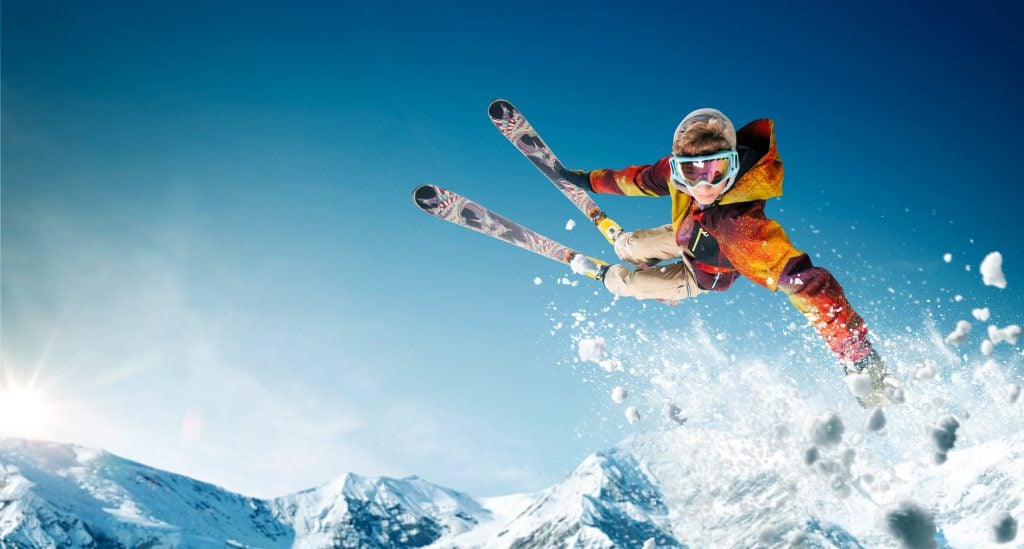
Activities such as skydiving, wingsuit flying, big-wave surfing, free solo climbing and downhill mountain biking can produce intense emotional highs. Participants frequently describe feeling most alive when confronting danger, speed and uncertainty. For some, the pursuit of these sensations becomes more than a hobby or passion. It can resemble an addictive cycle.
Like traditional addictions, the person may begin chasing stronger experiences, take increasing risks and struggle to stop despite injury, financial cost or strain on relationships. While extreme sports participation is not automatically pathological, there are cases where thrill-seeking crosses into compulsion.
What Happens in the Brain
The appeal of extreme sport lies partly in the body’s stress response. When a person faces genuine danger, the brain releases adrenaline and noradrenaline, increasing heart rate, sharpening attention and preparing the body for rapid action. This is accompanied by dopamine, a neurotransmitter strongly linked to motivation, reward and reinforcement.
The combination can feel exhilarating. Fear transforms into relief and euphoria once the challenge is completed safely. Many athletes report a profound sense of clarity during these moments, with ordinary worries disappearing entirely.
This reward process mirrors mechanisms seen in more traditional addictions. The brain learns to associate the activity with intense pleasure, emotional escape or heightened meaning. Repetition strengthens that connection, making the person more likely to seek the experience again.
Tolerance and Escalation
A common feature of addiction is tolerance: over time, the original stimulus no longer creates the same effect, so greater intensity is required. This pattern can appear in extreme sports.
Someone who once found indoor climbing exciting may move to outdoor lead climbing, then multi-pitch routes, then solo ascents with minimal protection. A skydiver may progress from tandem jumps to solo jumps, then wingsuiting or BASE jumping. The activity itself is not the issue; progression is natural in sport. The concern arises when escalating danger becomes necessary simply to feel normal or satisfied.
Participants may start to dismiss hazards that once seemed serious. Near misses can be reframed as proof of skill rather than warnings. This reduced sensitivity to risk can lead to poor judgement.
Why Some People Are More Vulnerable
Not everyone who tries an extreme sport becomes dependent on it. Personality and life circumstances matter greatly. Research suggests that high sensation-seeking individuals are more drawn to novel, intense experiences. These people may naturally crave stimulation and become bored by routine.
Others may use extreme sport as a coping mechanism. The complete focus required during a dangerous descent or jump can silence anxiety, intrusive thoughts or emotional pain. In this sense, the activity functions like escape. If life feels dull, stressful or emotionally overwhelming, the contrast of high-risk sport can become especially attractive.
Identity also plays a role. Some participants come to define themselves through being fearless, adventurous or exceptional. Walking away may then feel like losing status or purpose.
When Passion Turns Harmful
Many people engage in extreme sports responsibly and gain confidence, fitness and joy from them. The goal is not to pathologise adventure. However, warning signs emerge when the behaviour becomes rigid and self-destructive.
These may include training or participating despite serious injury, repeatedly hiding risks from loved ones, neglecting work or finances, feeling restless when unable to take part, or taking reckless shortcuts for a bigger rush. Relationships can suffer when others feel permanently anxious or sidelined.
Some individuals may also combine thrill-seeking with alcohol or drugs, increasing both impulsivity and danger.
Finding Balance
Managing this form of addiction often involves understanding what the sport provides psychologically. Is it mastery, community, identity, escape or stimulation? Once these needs are recognised, healthier balance becomes possible.
Therapy can help address compulsive patterns, emotional avoidance and risk-taking impulses. Structured training, recovery periods and honest conversations with coaches or peers may also reduce escalation.

Amanda Lancaster is a PR manager who works with 1resumewritingservice. She is also known as a content creator. Amanda has been providing resume writing services since 2014.