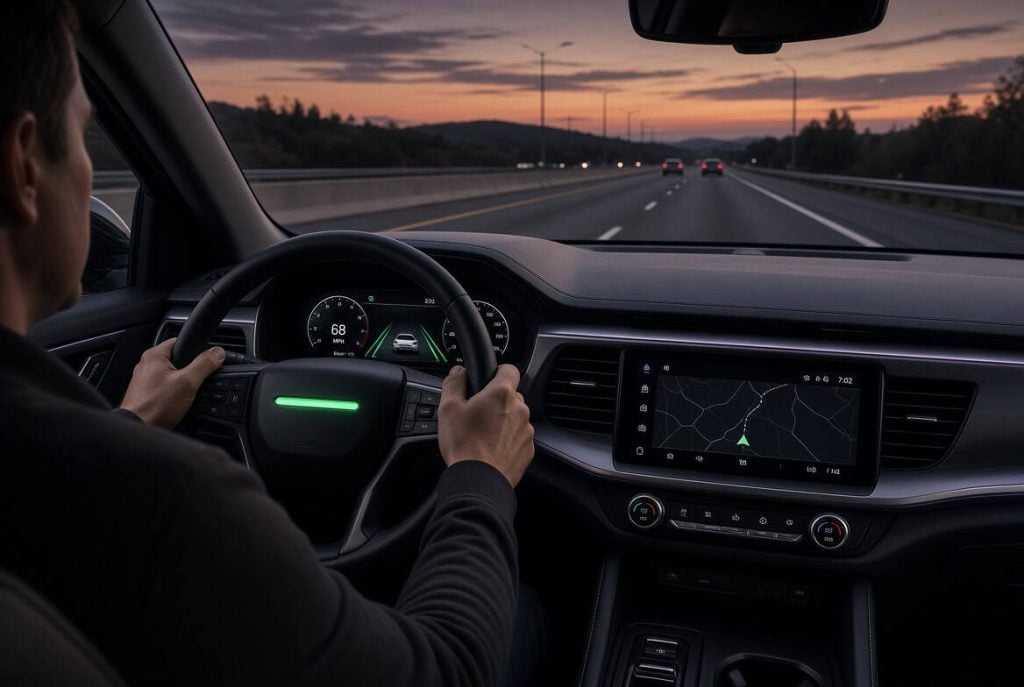
Modern Chevrolet vehicles offer much more than traditional safety equipment. New Chevy models increasingly use cameras, radar, sensors, digital systems, and connected technology to help drivers monitor traffic, maintain lane position, park, and manage long highway journeys. For shoppers comparing options at a Chevy dealer in Knoxville, understanding these technologies can make it easier to identify the features that fit their driving habits. Chevrolet’s available driver-assistance technologies range from collision alerts and automatic braking to advanced Super Cruise hands-free assistance. Although these systems are designed to support drivers rather than replace them, they can add another layer of awareness and convenience to everyday driving.
Understanding Chevy Safety and Driver Assistance
Before comparing individual features, it is important to understand that Chevrolet does not equip every vehicle or trim level with exactly the same technology. Chevy states that available safety and driver-assistance features can vary according to the model, brand, and trim level. Drivers can also check the vehicle’s center-display settings to identify available systems and customize certain functions.
This means buyers should look beyond a model’s name and examine the specific configuration. Two vehicles from the same model family can have different driver-assistance equipment depending on their trim and options.
A useful comparison should focus on what each system actually does, when it operates, and whether it matches the conditions in which you normally drive.
Forward Collision Alert
Forward Collision Alert is designed to warn drivers when the vehicle detects a potential collision with traffic ahead. This type of technology can be particularly useful during highway driving or situations where traffic suddenly slows.
The purpose of an alert system is to give the driver additional time to recognize a developing situation and respond. It should not be treated as a replacement for watching the road.
When comparing Chevy models, check whether Forward Collision Alert is included and whether other related systems, such as automatic emergency braking, are also available. The distinction matters because an alert system primarily provides a warning, while automatic braking can provide braking assistance under appropriate circumstances.
Automatic Emergency Braking
Automatic Emergency Braking can take driver assistance a step further by applying braking when the vehicle determines that a collision may be imminent. Chevrolet identifies automatic braking among its available active safety technologies.
Depending on the vehicle and system, detection capabilities can vary. Some systems are designed to recognize vehicles, while additional technologies may assist with detecting pedestrians or other objects.
When shopping for a new Chevy, ask for the exact capabilities of the system on the model and trim you are considering. Understanding its operating conditions is more useful than simply seeing the feature listed on a specification sheet.
Lane-Keeping and Lane-Centering Assistance
Lane-related technologies can provide useful assistance during longer drives. Depending on the vehicle, Chevrolet systems may warn drivers when they unintentionally move from their lane or provide steering assistance to help maintain lane position.
Lane-centering technology is especially relevant to Chevrolet’s newer Super Cruise-equipped vehicles. On select 2026 and 2027 models, Hands-On Steering Assist can help keep the vehicle centered while Adaptive Cruise Control manages speed and following distance.
These systems still require an attentive driver. The technology provides assistance, but the driver remains responsible for controlling the vehicle and responding to changing road conditions.
Adaptive Cruise Control
Traditional cruise control allows a driver to maintain a selected speed. Adaptive Cruise Control adds another layer by adjusting the vehicle’s speed to help maintain a selected following distance from traffic ahead.
This can be particularly convenient during highway travel, where traffic speeds may change frequently. Instead of repeatedly adjusting the cruise-control setting, the system can respond to vehicles detected ahead within its operating parameters.
Adaptive Cruise Control is also an important component of Super Cruise. Chevrolet explains that Super Cruise works with Adaptive Cruise Control to manage speed and following distance while the system provides steering assistance on compatible roads.
When comparing vehicles, check the system’s operating range and settings rather than assuming every adaptive cruise system works identically.
Blind-Zone and Lane-Change Alerts
Blind-zone technology is another useful feature to consider, particularly for drivers who frequently travel on multilane roads.
Lane Change Alert with Side Blind Zone Alert can notify the driver when another vehicle is detected in a blind-zone area. This information can provide an additional reference before changing lanes.
Chevrolet also offers Trailer Side Blind Zone Alert on certain configurations, which can be particularly relevant for pickup drivers who tow. Chevrolet’s Super Cruise documentation lists both Lane Change Alert with Side Blind Zone Alert and Trailer Side Blind Zone Alert among safety features that may be integrated with the system on applicable vehicles.
Drivers should still check mirrors and surroundings manually before changing lanes. Electronic alerts are another source of information, not a substitute for visual observation.
Rear Camera and Parking Assistance
Parking technology has also become more sophisticated. A standard rear camera can make reversing easier by providing a view of the area behind the vehicle, while additional systems can provide broader perspectives.
Chevrolet’s available technology includes features such as Rear Camera Mirror with Wash Camera and Rear Pedestrian Alert. Its support resources also identify turn-signal activated views that can show the side of the vehicle and trailer.
These technologies can be particularly helpful when driving a larger SUV or pickup. Before buying, test the camera system and look at the quality of the image. Check whether parking sensors or additional camera views are included with the specific configuration.
Rear Pedestrian Alert
Pedestrian detection is another area where modern vehicle technology can provide additional awareness. Rear Pedestrian Alert is designed to warn drivers about pedestrians detected behind the vehicle when reversing.
This can be useful in parking lots, driveways, and other environments where pedestrians may move behind a vehicle unexpectedly. However, drivers should continue checking the surroundings directly rather than relying exclusively on the warning system.
The availability of Rear Pedestrian Alert varies by vehicle, so it is worth checking the specific equipment list before purchasing.
Traffic Sign Recognition
Some new Chevrolet vehicles can also recognize certain traffic signs and display information to the driver. Chevrolet lists Traffic Sign Recognition among its available vehicle technologies, including the ability to display detected speed-limit signs in the instrument cluster.
This can provide useful information when traveling through areas with changing speed limits. On certain 2026 models, Chevrolet says Traffic Sign Recognition can also work with Intelligent Adaptive Cruise Control to adjust the cruise-control set speed when a newly detected speed limit is recognized.
As with other driver-assistance technologies, drivers should continue observing posted signs themselves.
Super Cruise Hands-Free Driver Assistance
Super Cruise is one of Chevrolet’s most advanced available driver-assistance technologies. On compatible roads and properly equipped vehicles, it can provide hands-free assistance with steering, acceleration, and braking. Chevrolet says Super Cruise is available on select models including the Bolt, Equinox EV, Blazer EV, Traverse, Tahoe, Suburban, Silverado, and Silverado EV.
Chevrolet currently states that Super Cruise works across more than 600,000 miles of compatible roads in the United States and Canada. These roads are pre-mapped, and the system depends on conditions such as visible lane markings and appropriate sensor visibility.
For drivers who frequently travel long distances, this can be an important technology to investigate. However, Super Cruise is not an autonomous driving system. Chevrolet explicitly states that drivers must remain attentive and ready to take control.
Automatic Lane Changes
Some Super Cruise-equipped Chevrolet vehicles can also perform automatic lane changes under appropriate conditions. The system may change lanes to pass a slower vehicle, respond to a route requirement, or create space for merging traffic.
Chevrolet explains that Super Cruise can also support driver-initiated lane changes through the turn signal on properly equipped vehicles.
This technology demonstrates how driver assistance is moving beyond simply maintaining a vehicle’s lane. Nevertheless, drivers must continue monitoring surrounding traffic and be prepared to intervene.
Driver Attention Monitoring
Advanced assistance technology is also becoming more focused on the driver. Super Cruise uses a Driver Attention System that monitors head position and eye gaze to help determine whether the driver is paying attention to the road.
If the system detects that the driver is not paying sufficient attention, it can provide escalating alerts. This is an important reminder that hands-free driving does not mean unattended driving.
Drivers should understand the difference between reducing the physical workload of driving and eliminating responsibility for the vehicle.
How to Compare These Features
When comparing new Chevy vehicles, start by identifying the technologies that fit your routine. A driver who spends hours on highways may prioritize Adaptive Cruise Control and Super Cruise. A parent who frequently parks in crowded areas may focus on cameras and pedestrian alerts. A pickup owner may place greater emphasis on trailer-related technology.
Also compare availability by trim level. Chevrolet’s own support information confirms that safety and driver-assistance equipment varies by model and trim.
During a test drive, ask the salesperson to demonstrate each system rather than simply describing it. Understanding how the alerts appear, when the systems activate, and how drivers can adjust them can make the technology much easier to evaluate.
Conclusion
Advanced driver-assistance features are becoming an increasingly important part of new Chevy vehicles. Technologies such as Forward Collision Alert, Automatic Emergency Braking, lane assistance, Adaptive Cruise Control, blind-zone monitoring, rear pedestrian alerts, Traffic Sign Recognition, and Super Cruise can provide drivers with additional information and assistance in a wide range of situations.
The key is to choose technology based on actual driving needs rather than simply selecting the vehicle with the longest feature list. Every system has operating conditions and limitations, and drivers remain responsible for paying attention and maintaining control.
By comparing specific trims, testing the available systems, and understanding what each technology is designed to do, shoppers can make a more informed decision about which new Chevrolet vehicle and driver-assistance package fits their everyday driving.

Matthew is a Sr. Content Writer working as a freelancer in Outreachmonks for the past 5 years. He has completed his education in Bachelor’s in Business Administration. With his articles he loves to impart information about the latest business trends and models.