The logistics of modern film, television, and commercial production are more fragmented than they have ever been. In the current media landscape, it is entirely common for a project to be filmed on location in one country, edited by a post-production house in another, and feature a lead voice actor who is currently touring or working internationally. When production audio is compromised by environmental noise, poor weather, or unexpected script changes during the editing phase, capturing seamless Automated Dialogue Replacement (ADR) becomes critical to the project’s survival.
Historically, securing pristine dialogue replacement or additional voice tracking required significant travel budgets, scheduling headaches, and flying talent back to a centralized studio hub. Today, boutique, highly specialised technical setups have completely decentralized the process, transforming how directors, producers, and creative agencies capture high-end audio without being bound by geographic limits.
The Technical Precision of Modern Dialogue Replacement
ADR is fundamentally far more demanding than standard studio tracking. It requires frame-accurate video synchronization, absolute acoustic isolation, and precise microphone matching to ensure that lines recorded months later in a studio environment blend flawlessly with the original production audio captured on a noisy set. If the acoustic space or the proximity effect of the microphone doesn’t match the original scene, the illusion is broken instantly for the audience.
For international production companies and independent filmmakers alike, finding a reliable technical partner overseas is an essential asset. Utilizing a premium ADR studio in Dublin allows global creative teams to coordinate complex replacement sessions across borders effortlessly.
By deploying robust remote review systems like Source-Connect Pro, Zoom, and Microsoft Teams, directors can actively guide an actor’s performance from thousands of miles away. They can monitor rhythmic inflection, check lip-sync accuracy, and review line placements in real-time—all with zero latency and complete confidence. This remote capability ensures that directors maintain absolute artistic control without the necessity of physical travel.
Expanding the Sonic Landscape: The Voiceover Integration
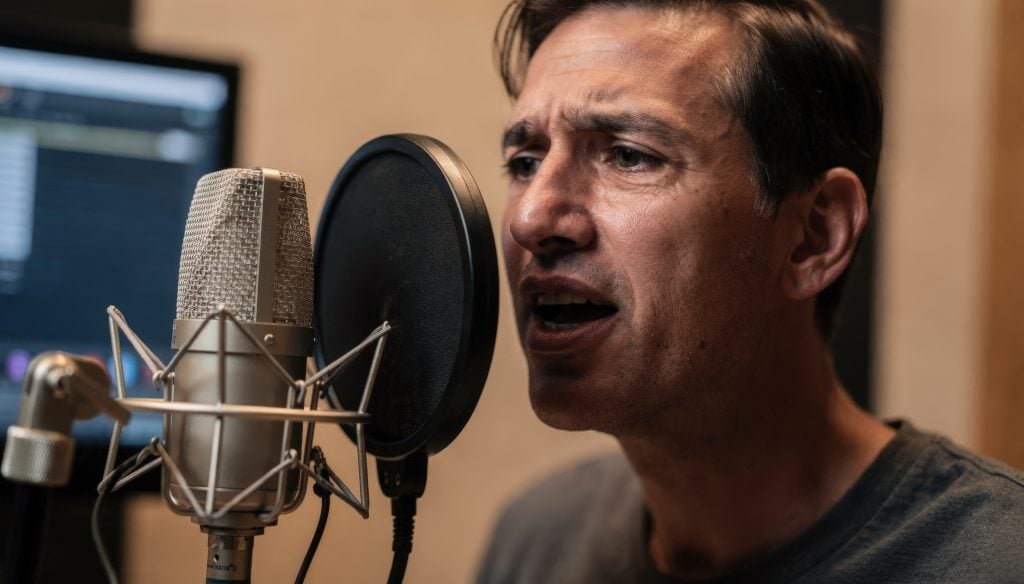
While narrative clarity through dialogue tracking forms the backbone of feature filmmaking and television drama, premium audio post-production demands a much more holistic approach to sound. Studios that excel in the strict discipline of remote dialogue tracking are uniquely positioned to serve a much broader creative market. The exact same high-fidelity isolation booths, pristine signal chains, and ultra-low noise-floor environments required for film dialogue are perfectly optimized for commercial applications.
As a result, forward-thinking production houses, corporate brands, and digital publishers are relying on these specialised hubs to manage a dedicated voice-over studio in Dublin. Whether an agency is tracking a fast-paced commercial campaign, casting a localized corporate narrator, or recording long-form audiobook narration that requires days of consistent vocal tone, the technical requirements remain identical.
The integration of professional voiceover talent into an established ADR workflow means that technical directors can switch seamlessly between different project demands. Furthermore, the rise of global speech recognition software and high-fidelity training datasets has created a surge in demand for structured voiceover collection. Having access to a studio space that understands how to record, label, and export clean dialogue data according to rigid engineering standards is a massive competitive advantage for modern businesses.
The Intersect of Vocal Tracking and Creative Sound Design
Capturing a clean voice recording is only half the battle; how that voice interacts with the surrounding space defines the ultimate quality of the mix. Integrating pristine vocal tracks with bespoke sound design for film and advertising creates a powerful synergy for brands looking to cut through the digital noise. In the realm of television and radio advertising, the relationship between the voiceover actor, the atmospheric soundscapes, and the musical score must be intricately balanced.
When a single post-production hub handles the entire audio lifecycle—from tracking the initial voice-over session to editing complex sound effects layers and mixing the final broadcast file—the overall identity of the project becomes significantly more cohesive.
In a commercial context, sound design brings advertising concepts to life by adding depth, impact, and emotional resonance that visuals alone cannot achieve. A carefully placed audio transition, a subtle background texture, or a punchy sound effect can elevate a standard voiceover track into a cinematic experience that drives immense brand recall.
Streamlined Infrastructure for Global Creative Teams
Whether a creative project requires a quick, single-line patch for an independent feature film or a massive, cross-media sonic branding overhaul for a multinational advertising campaign, the core requirement remains completely unchanged: pristine audio quality backed by rock-solid remote infrastructure.
By utilizing low-latency tracking frameworks alongside traditional, battle-tested recording techniques, modern multi-room studios ensure that distance is no longer a barrier to creative or technical excellence. For directors managing tight post-production schedules, ad agencies working toward strict broadcast deadlines, and global publishers handling extensive narration assets, the future of audio production lies in flexible, digitally integrated environments that keep the human voice front and center.

Ashley Rosa is a freelance writer and blogger. As writing is her passion that why she loves to write articles related to the latest trends in technology and sometimes on health-tech as well. She is crazy about chocolates. You can find her at twitter: @ashrosa2.