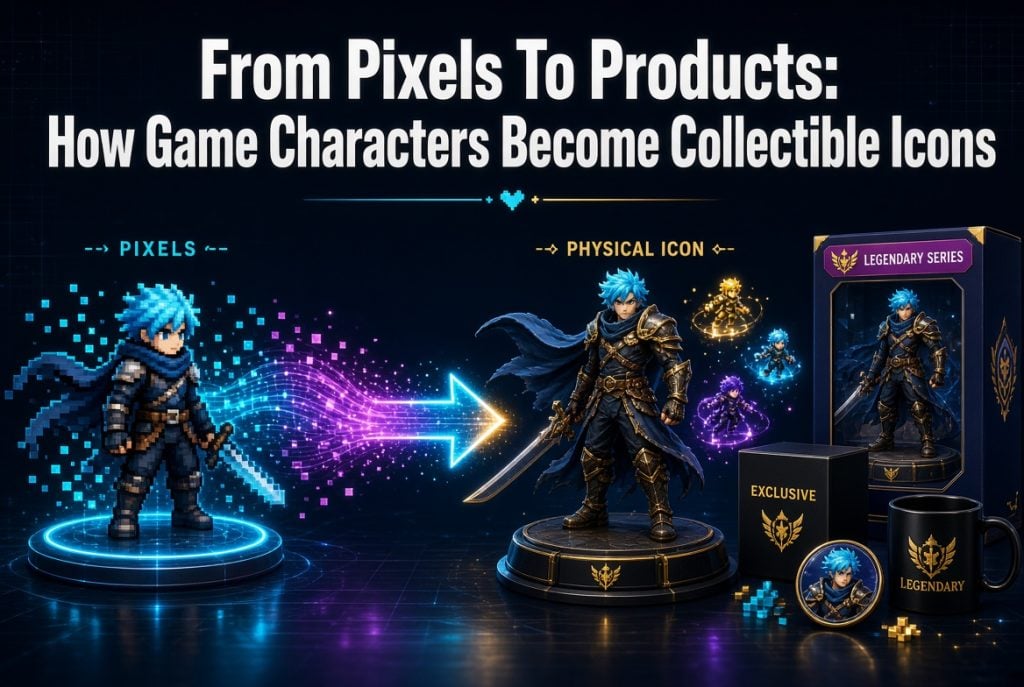
Video game characters have come a long way from simple digital designs created to support gameplay. Today, some characters become recognizable icons that inspire fan communities, artwork, and physical collectibles around the world. As gaming culture continues to expand, the connection between players and fictional characters has created new opportunities for creators to bring their ideas beyond the screen. From independent developers to artists, turning memorable characters into collectible products has become a meaningful way to celebrate creativity and build stronger connections with audiences.
Why Game Characters Become More Than Just Digital Assets
Video games are built around interactive experiences, but the characters within those worlds are often what players remember most. A well-designed character can represent a story, an emotion, or a personal connection that lasts long after a player finishes the game.
Today, many video game characters have evolved beyond their original roles as digital assets. They become recognizable symbols within gaming communities, appearing in fan artwork, collectibles, and merchandise. Characters that once existed only through pixels can eventually become part of everyday life through physical products that allow fans to express their connection with a game.
The most memorable characters usually share several important qualities:
- A distinctive visual identity
- A compelling personality,
- A community that feels emotionally connected to their journey.
These elements help transform fictional designs into characters that fans want to support, collect, and share.
The Journey From Pixels to Physical Collectibles
Turning a game character into a physical collectible involves much more than placing artwork onto a product. The process requires understanding which elements make the character recognizable and finding ways to preserve that identity in a physical format.
From early concept sketches to final merchandise, every detail plays a role. Colors, expressions, silhouettes, and signature features all influence whether a character feels authentic outside the original game environment.
For many creators, merchandise is also an extension of storytelling. A collectible allows fans to keep a physical reminder of the worlds and characters they enjoy, creating a stronger connection between the creator and the community.
Turning Character Designs Into Collectible Products
Advancements in custom manufacturing have made it easier for independent creators and smaller game studios to explore character-based merchandise without the need for large production budgets.
Products such as acrylic keychains, stickers, art prints, and other collectibles allow creators to bring their designs into the real world while maintaining control over their artistic vision.
For artists who develop original characters and illustrations, building a wider product collection can also create new ways to connect with audiences. Many creators now explore opportunities to sell art prints online and offer their artwork directly to fans who want to support their creative journey.
Successful collectibles are usually built around authenticity. Fans are not simply looking for promotional items; they want products that capture the personality and creativity behind the characters they love. A carefully designed collectible can become a meaningful part of a fan’s personal collection.
Why Collectibles Matter for Indie Game Creators
For major gaming companies, merchandise has been a common part of franchise development for years. However, independent game creators are increasingly discovering that collectibles can also play an important role in growing smaller projects.
An indie game may not have the marketing reach of a large franchise, but a unique character can still attract a dedicated audience. Merchandise gives creators another opportunity to maintain engagement with players and continue building their community after a game is released.
Building New Revenue Opportunities Beyond Game Sales
Traditionally, many game developers have focused primarily on revenue from game sales and additional digital content. While these remain important, character merchandise provides another way to create long-term value from original ideas.
Small-batch production allows independent creators to experiment with different products, understand what their audience enjoys, and develop stronger connections with supporters. Limited-edition collectibles, creator-designed items, and fan-focused products can all help extend the life of a game beyond its initial release.
This reflects a broader change in the creator economy. Today, artists and developers are not only creating digital experiences but also building communities and recognizable brands around their original concepts.
How Gaming Culture Is Driving the Growth of Collectible Merchandise
Gaming has become a global culture where players actively participate in communities, share creative work, and celebrate the characters they connect with. The relationship between fans and games now extends far beyond simply playing a title.
Collectibles have become one way for players to express their identity. A sticker on a laptop, a keychain on a backpack, or a piece of character artwork displayed at home can represent personal interests and connections within a larger gaming community.
Social media has also accelerated the growth of this culture. Fans regularly share collections, artwork, and custom creations, giving independent developers and artists more opportunities to reach audiences around the world.
As gaming continues to influence entertainment, art, and online communities, collectible merchandise has become an important part of how fans interact with their favorite characters.
The Future of Game Characters Beyond the Screen
The future of gaming characters will not be limited to digital experiences alone. As creative tools become more accessible, more independent developers and artists will have opportunities to transform their original characters into complete creative ecosystems.
A character created for a small indie game can eventually become much more than an in-game asset. Through artwork, collectibles, and community engagement, it can develop into a recognizable symbol with a lasting impact.
The journey from pixels to products represents the growing connection between digital creativity and physical experiences. When players can bring a piece of their favorite games into the real world, those characters become more than designs on a screen — they become collectible icons that connect creators and fans in meaningful ways.

Amanda Dudley is a lecturer and writer with a Ph.D. in History from Stanford University. After earning her doctorate in 2001, she decided to pursue a fulfilling career in the educational sector. So far, she has made giant strides by working as an essay writer for EssayUSA, where she delivers high-quality academic papers to students who need them.