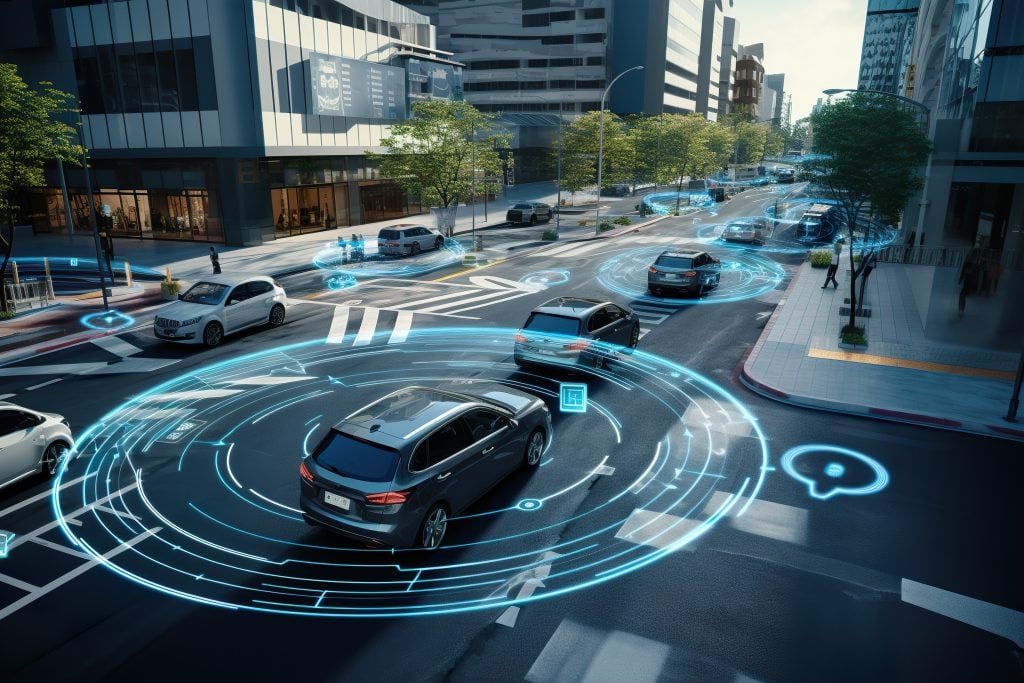
Buying a used car no longer means giving up access to modern safety technology. Many vehicles from recent model years were equipped with advanced driver assistance systems designed to help drivers recognize hazards, maintain awareness, and respond to changing road conditions. For shoppers comparing used car dealerships Sterling Heights, these features can be an important part of evaluating a vehicle’s overall value. Technologies such as automatic emergency braking, blind-spot monitoring, lane departure warning, and rear cross-traffic alert can add practical benefits without requiring buyers to purchase a brand-new vehicle.
Advanced safety technology does not replace attentive driving, but it can provide an additional layer of assistance. Understanding what these systems do, how they work, and how to check them on a used vehicle can help buyers make more informed decisions.
What Is Advanced Safety Technology?
Advanced safety technology generally refers to electronic systems that use cameras, radar, sensors, or other equipment to monitor the vehicle’s surroundings and assist the driver. The National Highway Traffic Safety Administration explains that some systems provide warnings while others can intervene to help avoid or reduce the severity of a crash.
The technology available in a used car depends on its model year, trim level, options, and manufacturer. Some systems may have been standard equipment, while others were offered as part of an optional package.
This means two used vehicles of the same model year may not necessarily have identical safety equipment. Buyers should check the specific vehicle rather than assuming that every example includes the same features.
Automatic Emergency Braking Can Add an Extra Layer of Protection
Automatic emergency braking is one of the most significant safety technologies to look for in a used vehicle. The system typically monitors the road ahead and can warn the driver when a potential forward collision is detected. If the driver does not respond quickly enough, compatible systems may automatically apply the brakes.
NHTSA identifies automatic braking and forward collision warning among today’s driver-assistance technologies, while IIHS reports that front crash prevention systems have demonstrated real-world crash reductions.
For a used-car buyer, having this technology can add value because the vehicle may provide assistance in situations where a driver’s reaction is delayed or a hazard develops unexpectedly.
Blind-Spot Monitoring Helps With Lane Changes
Changing lanes requires drivers to check mirrors, look toward adjacent lanes, and remain aware of vehicles that may be difficult to see. Blind-spot monitoring adds another source of information by using sensors to detect vehicles alongside the car.
Depending on the system, a warning light may appear near a side mirror when another vehicle enters the monitored area. Some systems can provide an additional audible warning if the driver activates a turn signal while another vehicle is detected.
IIHS research has found that blind-spot detection is associated with a reduction in lane-change crashes.
For used vehicles, this feature can be especially useful for drivers who frequently travel on multilane roads or highways.
Lane Departure Systems Can Support Highway Driving
Lane departure warning systems use cameras or other sensors to monitor the vehicle’s position relative to lane markings. If the system detects an unintended departure, it can provide an audible, visual, or physical warning.
More advanced lane-keeping systems can provide steering assistance or other interventions to help keep the vehicle within its lane. These systems are intended to support the driver, not replace the driver.
NHTSA classifies lane departure warning among Level 0 driver-assistance technologies and emphasizes that the driver remains responsible for steering, braking, and accelerating.
When evaluating a used vehicle, buyers should therefore view lane assistance as an additional safety tool rather than an automated driving system.
Rear Safety Features Improve Visibility
Backing out of a parking space or driveway can create situations where objects, pedestrians, or approaching vehicles are difficult to see. Rearview cameras provide a wider view behind the vehicle, while other systems can add rear parking sensors, rear cross-traffic alerts, or automatic braking.
IIHS notes that rear cross-traffic alert can detect vehicles approaching from either side while a driver is reversing, while rear automatic braking can apply the brakes to help prevent a collision with an object behind the vehicle.
These technologies can be particularly valuable in busy parking lots, residential areas, and other environments where visibility is limited.
Adaptive Cruise Control Adds Convenience
Adaptive cruise control is another feature that can increase the usefulness of a used vehicle. Unlike traditional cruise control, adaptive cruise control can automatically adjust speed to maintain a selected following distance from a vehicle ahead.
The system can make long highway journeys less demanding, but it still requires active driver attention. NHTSA’s guidance emphasizes that current driver-assistance systems do not remove the driver’s responsibility for safe operation.
For buyers who regularly take highway trips, adaptive cruise control can therefore be both a convenience feature and a useful component of the vehicle’s broader driver-assistance package.
Safety Technology Can Increase Long-Term Value
A used vehicle equipped with desirable safety technology can remain attractive as it ages. Features that were considered advanced several years ago can still provide meaningful assistance during everyday driving.
IIHS research has found that advanced driver-assistance features can be effective in reducing certain types of crashes. The organization reports real-world reductions associated with front crash prevention, lane departure prevention, blind-spot detection, and rear crash prevention.
This can make safety equipment an important consideration when comparing otherwise similar used vehicles. Instead of focusing only on mileage, age, and cosmetic condition, buyers can also consider the technology included in the vehicle.
Check Whether the Technology Still Works Properly
Having advanced safety features is useful only if the systems are functioning correctly. During a used-car inspection, buyers should pay attention to warning lights, sensor damage, camera condition, and system messages.
A vehicle involved in a previous collision may have had cameras, radar sensors, bumpers, grilles, mirrors, or other components repaired or replaced. Because some driver-assistance systems depend on precisely positioned sensors, repairs can affect their operation if the components are not properly restored or calibrated.
A pre-purchase inspection can help identify potential issues that are not obvious during a short test drive. Buyers should also review the owner’s manual to understand how the vehicle’s individual systems operate.
Understanding the Technology Is Just as Important
Used-car buyers should not assume that a safety feature works exactly the same way across different brands or model years. System names, warning methods, operating conditions, and intervention capabilities can vary.
IIHS research has also found that used-car buyers were less likely than new-car buyers to know which advanced driver-assistance features their vehicles had or accurately describe how those systems worked.
That makes education an important part of the buying process. Before purchasing, buyers should ask which systems are installed, request demonstrations when appropriate, and consult the owner’s manual for detailed information.
Compare Safety Features Alongside Condition and History
Advanced technology should be considered together with the fundamentals of used-car shopping. A vehicle’s maintenance records, accident history, mileage, mechanical condition, tire condition, and inspection results remain important.
A car with numerous safety features may not be the right choice if those systems are damaged or poorly maintained. Conversely, a well-maintained used vehicle with proven driver-assistance technology can offer a combination of modern safety support and established ownership history.
Looking at the entire vehicle rather than one specification provides a more complete picture of its value.
Conclusion
Advanced safety technology can add meaningful value to a used car by providing additional assistance during everyday driving. Automatic emergency braking, forward collision warning, blind-spot monitoring, lane departure systems, rear cross-traffic alerts, rear cameras, and adaptive cruise control can all contribute to a more technology-focused driving experience.
The key is to understand exactly what each system does and verify that it is working properly. Safety technology should complement attentive driving rather than replace it. By comparing available features alongside vehicle condition, maintenance history, and overall reliability, used-car shoppers can better understand the practical value a modern safety-equipped vehicle can provide.

Sandra Larson is a writer with the personal blog at ElizabethanAuthor and an academic coach for students. Her main sphere of professional interest is the connection between AI and modern study techniques. Sandra believes that digital tools are a way to a better future in the education system.