Modern Chevy trucks combine traditional strength with advanced technology designed to make driving, towing, connectivity, and everyday tasks more manageable. For drivers researching a Chevy Truck Dealer In Lagrange KY, understanding how these systems work can be just as useful as comparing engine specifications, towing capacity, and cargo space. Today’s Chevrolet trucks can use cameras, radar sensors, GPS, digital displays, smartphone integration, connected services, and driver-assistance technology to provide information and support in different driving situations.
Technology in a Chevy truck is not limited to the infotainment screen. It can influence how the truck handles a trailer, maintains a selected following distance, provides visibility around the vehicle, connects with a smartphone, and keeps its software current. The exact features depend on the model, trim, model year, and available equipment.
Digital Displays Put Vehicle Information in One Place
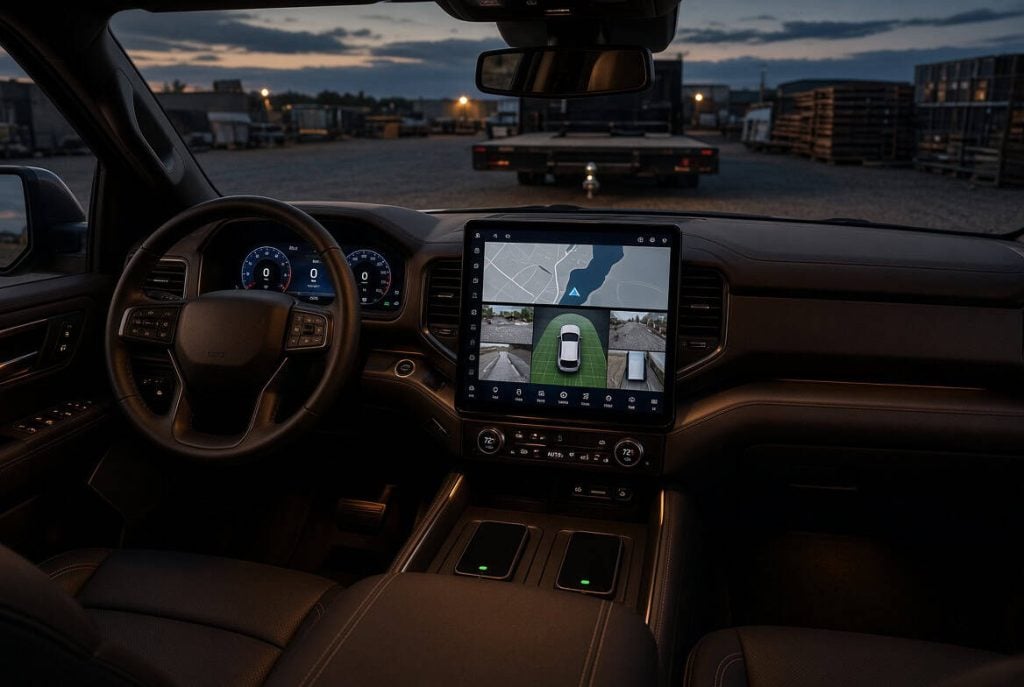
Modern Chevy trucks increasingly use digital displays to organize important information. The instrument cluster can present driving information, while the center touchscreen can provide access to navigation, entertainment, vehicle settings, connected services, and available trailering tools.
The 2027 Chevrolet Silverado 1500, for example, introduces a digital cockpit with a 16.3-inch center display and a 12.2-inch driver information center across the lineup. Chevrolet says the system is designed to organize navigation, media, vehicle information, and available trailering technologies.
A digital display can make it easier for drivers to see relevant information without searching through multiple controls. Some systems can also change the information presented according to the task being performed.
How Super Cruise Uses Multiple Technologies
One of Chevrolet’s most advanced driver-assistance systems is Super Cruise. On compatible roads and properly equipped vehicles, it can control steering, acceleration, and braking while allowing hands-free driving under specified conditions.
The system does not rely on one sensor. Chevrolet explains that Super Cruise uses precision map data, cameras, radar sensors, GPS information, adaptive cruise control, and a Driver Attention System. These technologies work together to determine the vehicle’s position, monitor traffic, maintain lane position, and monitor driver attention.
The Driver Attention System uses a camera to monitor the driver’s head and eye position. If the system detects that the driver is not paying sufficient attention, it can provide alerts and request that the driver take control.
Super Cruise is still a driver-assistance system, so drivers must remain attentive and ready to take control whenever necessary.
Adaptive Cruise Control Helps Manage Following Distance
Adaptive Cruise Control is another important technology available on select Chevy trucks. Instead of simply maintaining a preset speed like traditional cruise control, the system can detect vehicles ahead and adjust the truck’s speed to maintain a selected following distance.
This can be particularly useful in highway traffic where speeds frequently change. Chevrolet explains that Super Cruise works with Adaptive Cruise Control to manage speed and following distance when the system is operating under appropriate conditions.
The technology uses sensors to monitor vehicles ahead and can automatically accelerate or brake within its operating parameters. However, the driver remains responsible for observing traffic and controlling the vehicle when necessary.
Camera Technology Improves Towing Visibility
Towing is one area where advanced technology can make a major difference. A trailer can block rearward visibility and make hitching, turning, reversing, and parking more difficult.
Chevrolet’s Silverado 1500 and Silverado HD can be equipped with up to eight cameras providing as many as 14 unique views. Available views and features include Bed View, Hitch Guidance, Trailer Angle Indicator, Trailer Length Indicator, and other trailering perspectives.
These cameras give the driver more information about the truck, trailer, and surrounding environment. Instead of relying only on the traditional rearview mirror and side mirrors, drivers can use different camera angles for specific tasks.
Trailering Technology Helps With Pre-Trip Preparation
Modern Chevy trucks can also use digital technology before the vehicle begins moving. The available In-Vehicle Trailering App can help drivers create trailer profiles, use pre-departure checklists, perform trailer-light tests, and monitor certain trailer information.
A trailer profile allows information about a specific trailer to be stored within the truck’s system. This can be useful for owners who regularly tow different trailers.
The technology does not replace a physical inspection, but it can provide an organized digital checklist for important preparations. Checking lights, connections, tires, and other equipment remains essential before every trip.
How Super Cruise Works With Trailering
Chevrolet has also developed Super Cruise to work with compatible trailers on properly equipped vehicles. When the system recognizes that a trailer is being towed, it can adjust the following distance to provide additional stopping space.
This is important because adding a trailer changes how a truck behaves. The combination has additional weight and requires more distance for braking.
Chevrolet’s Super Cruise system uses information from the trailer configuration along with its normal sensors and mapping technology. However, some Super Cruise lane-changing functions are unavailable while trailering.
The technology therefore adapts to the towing situation rather than treating the truck and trailer exactly like an unloaded vehicle.
Google Built-In Connects Navigation and Apps
Some newer Chevy trucks offer Google built-in, which integrates services such as Google Maps, Google Play, and voice-assistant functionality directly into the vehicle’s infotainment system.
Chevrolet says compatible vehicles can access Google Maps and Google Gemini through the center display.
This integration can make navigation more convenient because drivers can use a familiar mapping platform without relying exclusively on a connected smartphone. On compatible Super Cruise vehicles, Google Maps can also identify Super Cruise-compatible roads and indicate how much of a route may be available for hands-free driving.
The exact Google built-in features vary by vehicle, software, and service availability.
Smartphone Integration Keeps Drivers Connected
Chevy trucks can also support smartphone connectivity, allowing compatible devices to work with the vehicle’s infotainment system. Depending on the model and equipment, drivers can access phone calls, navigation, music, and other supported functions through Apple CarPlay or Android Auto.
This can be useful for drivers who already rely on smartphone applications for navigation and entertainment. Instead of mounting a phone separately and interacting directly with it, supported functions can appear on the vehicle’s display.
The availability and type of smartphone integration can differ by model year, so buyers should check the exact specifications of the truck they are considering.
OnStar Extends Connectivity Beyond the Cabin
Chevrolet’s connected technology also includes OnStar services. Depending on the vehicle and plan, OnStar can provide services such as roadside assistance, emergency services, navigation assistance, vehicle diagnostics, and stolen-vehicle assistance.
The available myChevrolet mobile app can also provide remote vehicle functions on compatible vehicles. Chevrolet describes the app as a command center for properly equipped vehicles.
These connected features show how modern trucks can remain digitally connected even when the driver is not sitting inside them.
Over-the-Air Updates Keep Software Current
Another major development in truck technology is the ability to update vehicle software remotely. Chevrolet says compatible vehicles can receive software updates over the air, allowing certain updates to be delivered directly to the vehicle.
This is different from traditional vehicles, where software changes often required a service visit. Over-the-air updates can help improve certain vehicle functions, infotainment systems, and connected technologies without requiring the owner to manually install new software.
Not every update applies to every vehicle, so availability depends on the model, equipment, software, and connectivity.
Driver-Assistance Technology Adds Another Layer of Awareness
Chevy trucks also use technology to help drivers monitor potential hazards. Depending on the model, available systems can include Forward Collision Alert, Automatic Emergency Braking, Front Pedestrian Braking, Lane Departure Warning, Rear Cross Traffic Alert, and other assistance features.
The 2027 Silverado 1500, for example, includes several advanced safety technologies as standard equipment, including Intersection Automatic Emergency Braking, Front Pedestrian and Bicyclist Braking, Reverse Automatic Braking, Adaptive Cruise Control, Blind Zone Steering Assist, and Rear Cross Traffic Braking.
These technologies are designed to assist attentive drivers rather than replace them. Their availability and capabilities can differ significantly between Chevrolet trucks.
How Technology Makes a Chevy Truck More Versatile
The real value of advanced truck technology comes from how different systems work together. A camera can help with hitching, a trailering app can organize trailer information, sensors can monitor surrounding traffic, and navigation can help plan a route. Meanwhile, smartphone integration and connected services can make everyday travel more convenient.
This combination is particularly useful because pickup trucks often serve multiple purposes. The same vehicle may be used for commuting during the week, towing equipment on a job, hauling materials, and taking a family trip on the weekend.
Technology can help the truck adapt to these different situations while keeping important information accessible.
Technology Does Not Replace Proper Truck Operation
Despite the capabilities of modern systems, technology does not eliminate the need for responsible driving. Chevrolet states that its safety and driver-assistance technologies are not substitutes for the driver’s responsibility to operate the vehicle safely.
Drivers still need to understand towing ratings, payload limits, road conditions, weather, traffic, and the specific operating limitations of each system.
This is especially important when towing. Camera systems can improve visibility, and electronic systems can provide useful information, but drivers still need to inspect the trailer, secure the load, check tires and lights, and operate within the truck’s rated capabilities.
Conclusion
Advanced technology has become an important part of the modern Chevy truck. Digital displays organize vehicle information, cameras improve visibility, trailering systems assist with towing preparation, and driver-assistance technologies can provide additional support in everyday traffic. Connected services, smartphone integration, Google built-in, and over-the-air updates add another layer of convenience.
The most important point is that these technologies work together rather than operating as isolated features. By combining cameras, sensors, GPS, software, connectivity, and digital controls, Chevy trucks can provide drivers with more information and assistance across a wide range of driving situations. Understanding how these systems work can help drivers make better use of the technology while remembering that attentive, responsible driving remains essential.

Caroline is doing her graduation in IT from the University of South California but keens to work as a freelance blogger. She loves to write on the latest information about IoT, technology, and business. She has innovative ideas and shares her experience with her readers.