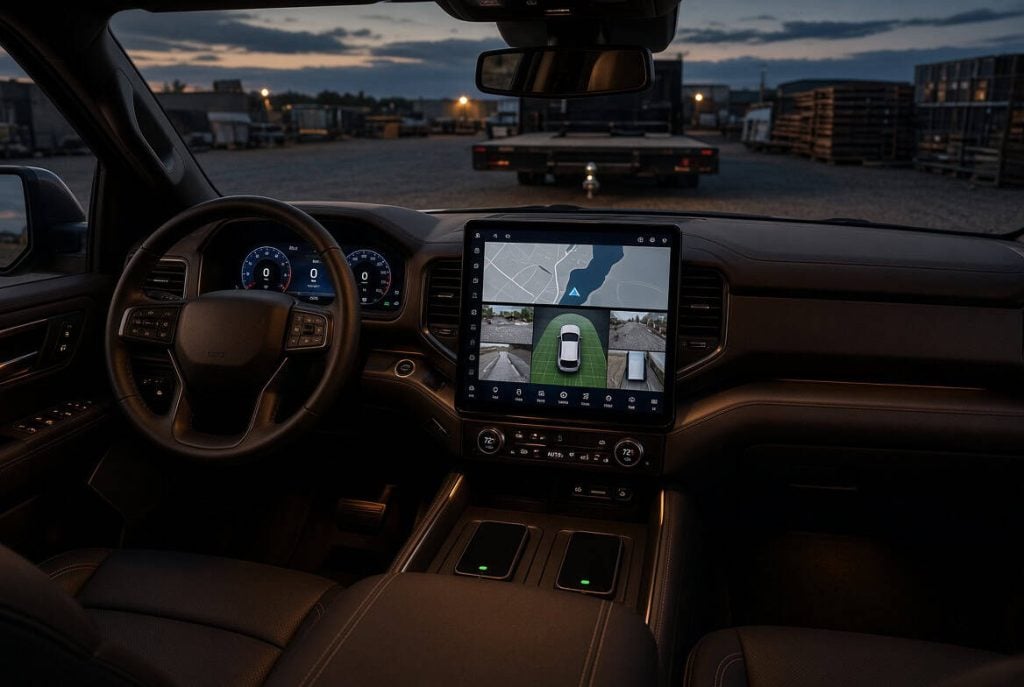
GMC trucks have traditionally been associated with towing, hauling, durability, and capability, but modern models are increasingly defined by technology as well. Today’s GMC trucks combine traditional utility with advanced driver assistance, connected services, sophisticated camera systems, digital displays, and increasingly capable electric powertrains. For drivers comparing their options through a GMC Dealer In St Peters MO, understanding how truck technology is changing can make it easier to determine which features are genuinely useful. From hands-free driver assistance to technology designed specifically for towing, modern GMC trucks are becoming more connected and adaptable without abandoning their practical purpose.
Advanced Driver-Assistance Technology
One of the most noticeable changes in modern trucks is the expansion of driver-assistance technology. Features that were once associated mainly with luxury vehicles are now available on select GMC trucks and can help make everyday driving more comfortable.
GMC’s available Super Cruise technology is an example. On compatible roads and under appropriate conditions, the system can provide hands-free assistance with steering, acceleration, and braking. It uses cameras, sensors, GPS, precision LiDAR map data, and Adaptive Cruise Control to help maintain the vehicle’s position and following distance.
Super Cruise remains a driver-assistance system rather than an autonomous driving system. Drivers must continue paying attention and be prepared to take control when required. That distinction is important when considering what modern truck technology can and cannot do.
Smarter Towing Technology
Towing is one area where GMC technology has evolved significantly. Instead of relying solely on the driver’s mirrors and experience, modern trucks can provide additional information through cameras, displays, sensors, and towing-specific controls.
Available camera systems can provide different views around the truck and trailer, helping drivers monitor areas that may otherwise be difficult to see. GMC also offers technologies such as transparent trailer views on certain vehicles, allowing drivers to see a representation of the area behind the trailer.
These systems can make tasks such as hitching, changing lanes, maneuvering, and reversing more manageable. However, drivers still need to understand trailer dimensions, weight limits, braking requirements, and safe towing practices.
Technology works best as an additional source of information rather than a substitute for attentive driving.
More Comprehensive Camera Systems
Large trucks can be challenging to maneuver in crowded parking lots, narrow driveways, or construction areas. Modern camera technology addresses some of these challenges by giving drivers a broader view around the vehicle.
GMC offers systems with multiple camera perspectives, and certain models can provide views of areas around and underneath the truck. GMC’s technology information also lists features such as an UltraVision system with multiple available camera views and a rear camera mirror with a washer designed to help maintain visibility.
The 2026 Sierra EV, for example, offers up to 14 available camera views. These can be particularly useful when maneuvering a large vehicle or positioning a trailer.
This trend reflects a broader shift in truck design. Instead of making drivers adapt entirely to the vehicle’s size, manufacturers are using technology to provide more information about the space surrounding it.
Digital Displays and Infotainment
The traditional dashboard is also changing. Modern GMC trucks can replace some conventional gauges and controls with digital displays that allow drivers to customize the information they see.
Infotainment systems have become central parts of the cabin as well. GMC offers available connected infotainment technology with features for navigation, entertainment, directions, traffic information, and in-vehicle applications.
The Sierra EV demonstrates how far this approach can go. It offers an available 16.8-inch diagonal premium infotainment touchscreen with Google built-in compatibility, while an available 11-inch driver information center can display driving information and high-resolution maps.
These larger displays can make information easier to organize, although drivers should still avoid unnecessary interaction with screens while moving.
Technology Designed for Passenger Convenience
Truck technology is no longer focused entirely on the person behind the wheel. Modern GMC interiors increasingly incorporate features designed to keep passengers connected and comfortable.
Available wireless smartphone connectivity, voice controls, connected services, charging options, and multiple display functions can make longer journeys more convenient. Some future GMC Sierra technology is also expanding the role of the front passenger with an available 11.5-inch passenger infotainment screen.
This reflects changing expectations about what a truck interior should provide. A pickup can serve as a work vehicle during the week and a family or travel vehicle on weekends, so the cabin increasingly needs to accommodate both roles.
Connected Services and Remote Functions
Connectivity is another major part of GMC’s technology strategy. Through available OnStar services, compatible GMC vehicles can provide functions such as remote commands, Automatic Crash Response, and access to connected applications.
For truck owners, connected technology can be useful beyond entertainment. Remote functions may make it easier to interact with the vehicle before getting inside, while connected services can provide additional information and assistance.
Some advanced features also depend on an active data connection. For example, GMC states that Super Cruise requires connectivity for positioning information and map updates.
This illustrates an important change in vehicle ownership: certain truck capabilities increasingly rely on software and connectivity as well as physical hardware.
Electric Truck Technology
Perhaps the biggest technological development in the GMC truck lineup is the expansion of electric power. The Sierra EV demonstrates how electric propulsion can be combined with traditional pickup capabilities and advanced digital technology.
Electric trucks introduce different considerations for drivers, including charging, range planning, regenerative braking, and energy management. At the same time, they can incorporate advanced features such as one-pedal driving and Regen On Demand. GMC’s technology guides identify both as available technologies within its vehicle lineup.
The Sierra EV also combines electric power with features such as Super Cruise, multiple camera views, a large infotainment display, and an available head-up display on select trims.
This combination shows that truck technology is evolving in multiple directions simultaneously. Modernization is not simply about adding screens; it also involves changing how the vehicle generates, manages, and delivers power.
Better Technology for Everyday Work
Many truck buyers still need their vehicle to function as a working tool. Modern technology is increasingly designed around that reality.
For example, drivers can use camera systems when connecting trailers, digital displays when monitoring vehicle information, and connected features when managing trips. Available technology can also help drivers keep track of towing-related information and vehicle surroundings.
This is especially valuable because truck owners may use their vehicles in very different environments. A truck might spend Monday at a job site, Tuesday commuting on the highway, and Saturday towing equipment for a recreational trip.
The goal of evolving truck technology is therefore not simply to make vehicles more complicated. Ideally, technology should make common tasks easier while allowing drivers to maintain control.
The Importance of Choosing the Right Technology Package
Not every GMC truck includes every available technology. Features can vary according to model, trim, configuration, and option package. Buyers should therefore compare the actual equipment on individual trucks rather than assuming that every model in a particular lineup has the same technology.
Start by identifying the features that would make a meaningful difference in your driving. Someone who regularly tows may place greater importance on camera systems and towing assistance. A long-distance commuter might be more interested in available Super Cruise and navigation technology. Someone who works at construction sites may prioritize visibility and durable, practical equipment.
Taking this approach can prevent technology from becoming a simple checklist of impressive-sounding features.
How Technology May Continue to Evolve
The development of GMC truck technology points toward vehicles that are increasingly software-driven, connected, and adaptable. Digital interfaces will likely continue to become more integrated, while driver-assistance systems may expand their capabilities and compatible road networks.
GMC says its Super Cruise-compatible road network has grown substantially since the technology was introduced and continues to expand.
At the same time, electric trucks are introducing new possibilities for energy management, charging, regenerative braking, and digital vehicle controls. These developments suggest that future trucks will continue combining traditional mechanical capability with increasingly sophisticated software.
Conclusion
GMC truck technology is evolving from simple convenience features into systems that can influence how drivers tow, navigate, park, communicate, and manage their vehicles. Advanced camera systems provide greater visibility, digital displays organize important information, connected services add new functions, and Super Cruise brings hands-free driver assistance to compatible roads under appropriate conditions.
Electric models such as the Sierra EV demonstrate another side of this evolution by combining electric propulsion with advanced technology and truck capability. Yet the most useful technology is ultimately the technology that matches the driver’s needs.
When comparing modern GMC trucks, consider how each feature can fit into your actual routine. Whether your priority is towing, commuting, work, recreation, or long-distance travel, understanding the technology behind today’s trucks can help you choose a configuration that provides useful capability without unnecessary complexity.

Matthew is a Sr. Content Writer working as a freelancer in Outreachmonks for the past 5 years. He has completed his education in Bachelor’s in Business Administration. With his articles he loves to impart information about the latest business trends and models.