Franchises encompass a multitude of avenues within the film landscape, and the world of franchise horror is no exception. Everyone knows of the classic slashers and exorcism films that have shaped horror to what it is now, but this makes a case like Lee Cronin’s The Mummy particularly fascinating. The Mummy franchise, before this new film, has never really had a set route of what it’s known for; there’s the 1932 Universal monster classic, the globe-trotting, charming adventuring of the Brendan Fraser-led films, whatever the hell that Tom Cruise movie was, and a plethora of others. The facts clearly show that there is no set standard for what exactly constitutes a mummy movie, and they often blend different genres more than anything else.
Cronin seems more than aware of this, as his stint with The Mummy is a blend of Evil Dead gross-out, exorcism madness, and a layer of family drama throughout its runtime. The film works best when it’s at its goopiest and meanest, leaning hard into the gore and Cronin’s abrasive camera when he shoots horror, but it ultimately comes up short in its lengthy melodrama between its characters and insanely drawn-out runtime that leads to wheel spinning way too early on. Cronin’s take on the mummy is largely frustrating since it’s a clear example of a film where a more streamlined version was potentially on the cutting room floor that bolstered its stronger elements, but the film ultimately ends up a mixed bag of hits and misses.
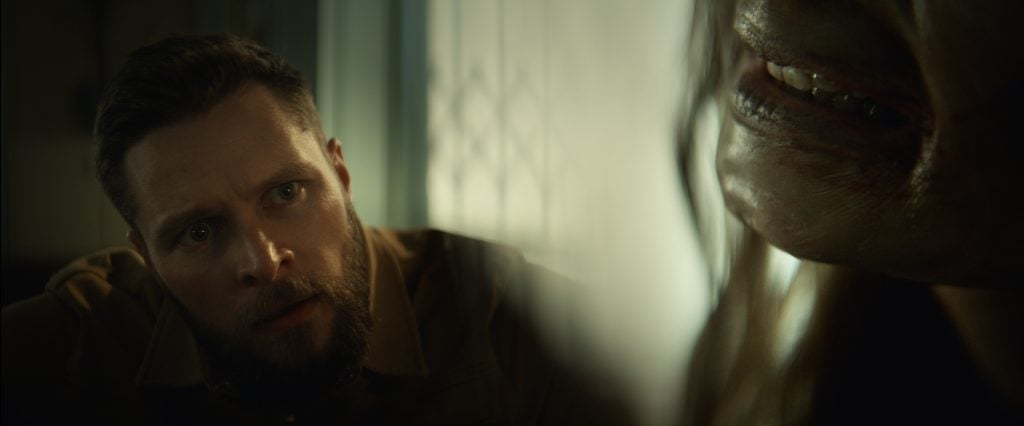
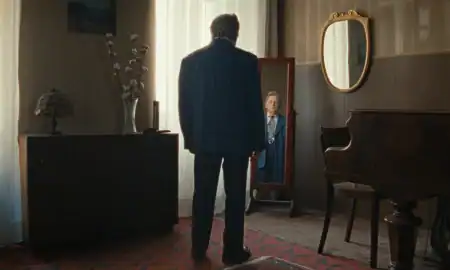
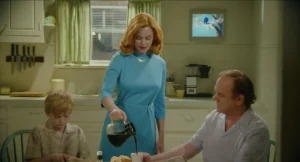
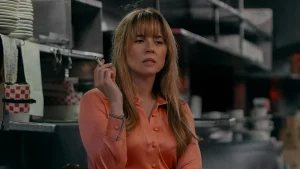
The Mummy is centered on the family of Charlie (Jack Reynor) and Larissa (Laia Costa) Cannon; they reside in Cairo, Egypt, where Charlie works as a journalist. On one random day, their eldest daughter, Katie, is kidnapped by a mysterious woman (Hayat Kamille), and there are virtually no traces left for Charlie, Larissa, or the detective on their missing child case, Dalia Zaki (May Calamawy) to find or search for Katie with.
We flash forward eight years, where the Cannons now live in Albuquerque, New Mexico, with their two other children, Sebastián (Shylo Molina) and Maud (Billie Roy), and the children’s grandmother, Carmen (Veronica Falcón). The family, despite doing their best to move on from it, is still shattered from the sudden disappearance of Katie until they receive a sudden phone call, that against all odds Katie (now played by Natalie Grace) has been found.
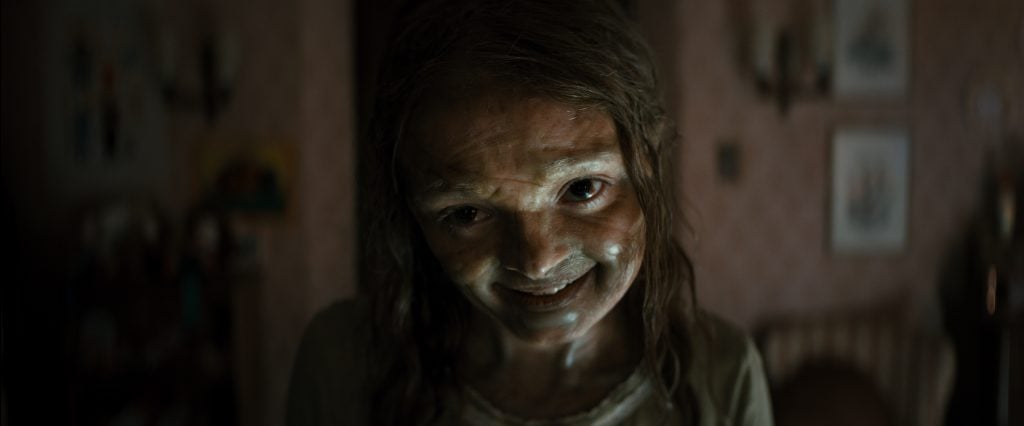
Katie was found in a sarcophagus at the site of a brutal plane crash, and despite the now disheveled and unnatural look of Katie’s body after so many years, Charlie and Larissa are naturally thankful to have their long-lost daughter back. Of course, what seemed a blessing turns out to be a nightmare as Katie is much more violent, crude, and consumes a lot more bugs in her diet than before, and Charlie and Larissa now just want to know what exactly happened to their daughter those eight years ago.
Lee Cronin is no stranger to demonic incantations of the dead or creepy demonic children, considering his directorial work on Evil Dead Rise and The Hole In The Ground, respectively, and his Mummy film stands out most when it’s clearly going all in at what he delivered best in his Evil Dead film. Most of the movie, from the central revelation behind its mystery to its bodily fluids sprayed nearly on every crevice of the frame screams, “What if we made a Mummy movie that was an Evil Dead film in disguise!” And that’s not necessarily a bad thing in this case.
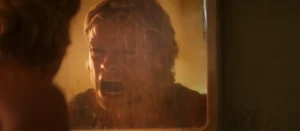
I love how aggressive Cronin gets with his visuals, where before his flourishes were mere inklings compared to what’s being done here, where the Irish filmmaker operates at his biggest scale yet. The cuts are as rapid as ever, the split diopter lens is used to a tee, and you’re always just close up enough to any gnarly gore to give you the desired effect. The movie works best when it’s at its most mean-spirited, with nasty bloody brutality and a committed performance from Natalie Grace that will greatly appease most genre fans.
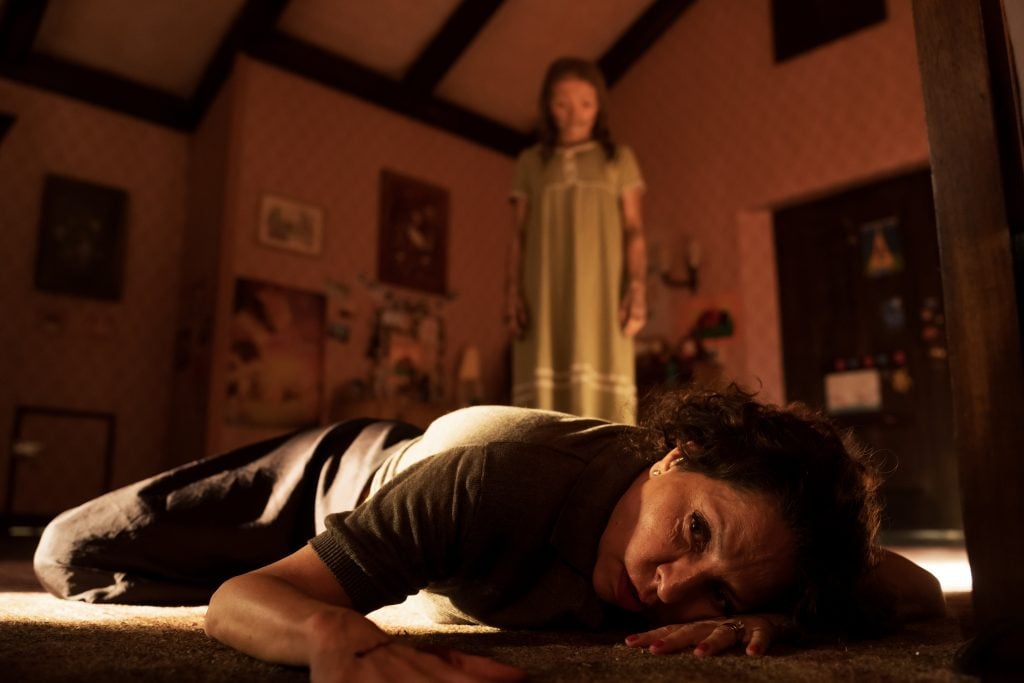
The main problem, however, is that not only does the film trade in its rancid texture for more shoddy CGI as it reaches its third act, but the length of its runtime is truly confounding. The movie often jumps back and forth between two modes of grimy gross-out and exorcism horror; anytime the film opts for more of the constant tropes we see in exorcist films, like the floating child in the chair or the predictable aspect of how possession spreads from one host to the next, it becomes much less interesting and becomes more of an imitation of better horror films.
Matters aren’t helped when, after a while, both the family drama elements and the buildup of the terror and mystery surrounding Katie’s new appearance start to become repetitive around the movie’s middle chunk. The story surrounding the film’s central mystery grows largely predictable with the way things are drawn out, and it leads to a period of time in the film where the cliched dramatic writing isn’t strong enough to make you care more about the stakes surrounding its titular family.
It’s hard when a film is more frustrating than it is plainly good or bad because you can see all the pieces to something that would’ve made a great picture, and you instead get one that’s okay, and Lee Cronin’s The Mummy unfortunately falls into this camp. There are decent bits of gory, grungy dismemberment or stomach-churning horror that’s sure to make anyone exclaim, but there are honestly multiple moments where the film could’ve taken things even harder in the mean spirit of its concept, but its conclusion is far too clean, and its narrative way too stretched out to fully execute on the limits of its brutality.
There are decent bits of gory, grungy dismemberment or stomach-churning horror that's sure to make anyone exclaim, but there are honestly multiple moments where the film could’ve taken things even harder in the mean spirit of its concept, but its conclusion is far too clean, and its narrative way too stretched out to fully execute on the limits of its brutality.

Lover of film writing about film. Member of the Dallas Fort-Worth Critics Association. The more time passes, the more the medium of movies has become deeply intertwined with who I am.