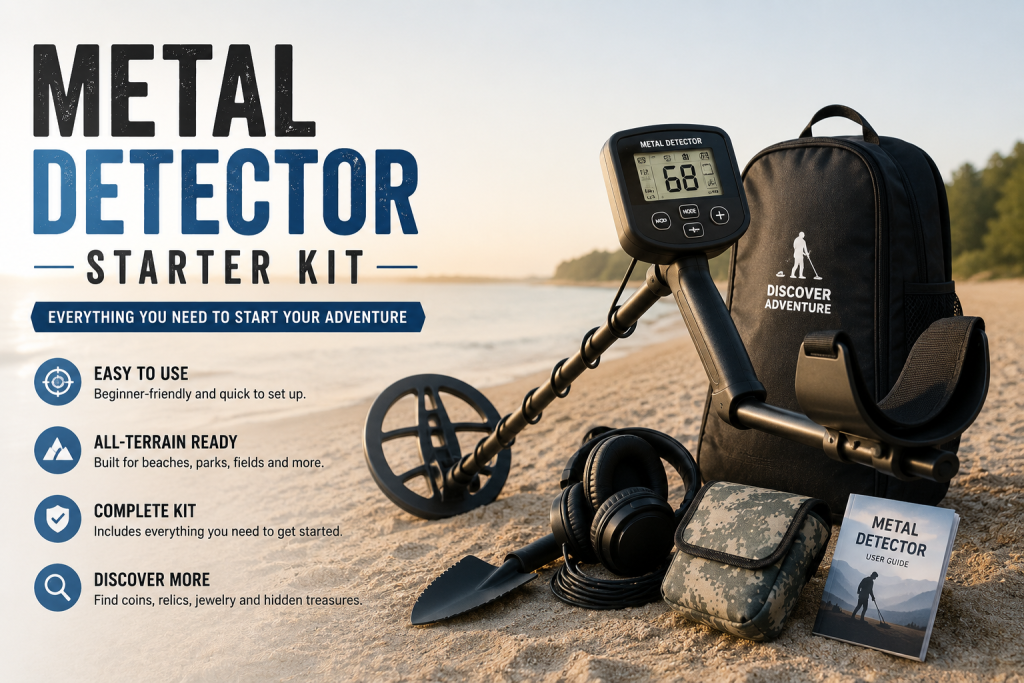
Metal Detector Starter Kit: What Beginners Really Need for Their First Hunt
A good metal detector starter kit helps beginners move from their first signal to a successful recovery without guessing which tools are actually necessary.
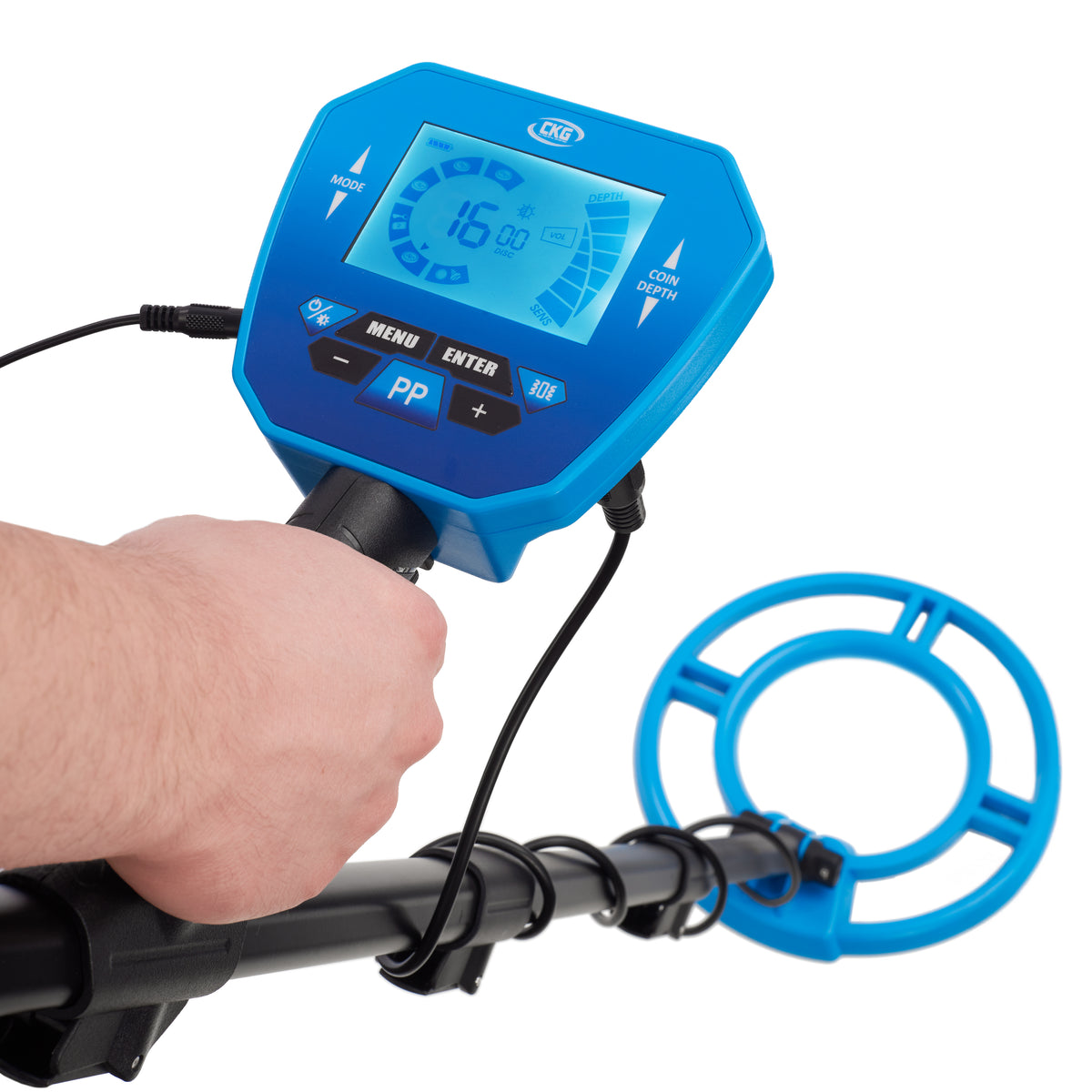
Many new detectorists focus only on the metal detector. That makes sense, because the detector is the main search tool. But after the first strong signal appears, the real work begins. The target may be buried in soil, hidden in a grass plug, mixed with sand or sitting near roots and small stones. Without the right accessories, even an easy signal can become frustrating.
A starter kit should solve the basic problems every beginner faces: locating the target, digging safely, carrying finds and protecting hands.
What should be in a beginner kit?
A practical metal detecting kit does not need to be complicated. The most useful items are usually simple:
- a metal detector;
- pinpointer;
- digging tool or shovel;
- finds pouch;
- gloves;
- sand scoop for beach hunting;
- small container for coins or relics.
A pinpointer is especially helpful because it narrows the target location after the detector finds the general area. Instead of digging wider and wider, the beginner can check the plug, hole or loose soil more accurately.
Why recovery tools matter
Finding a target is only half of the process. Recovering it cleanly is just as important.
In parks and grassy areas, a compact digging tool helps cut a neat plug and reduce ground damage. In fields or harder soil, a stronger metal detecting shovel can provide better leverage. On beaches, a sand scoop is often the best choice because it lets sand fall away while coins, rings or jewelry stay inside the basket.
The right recovery tool saves time and helps protect both the find and the location.
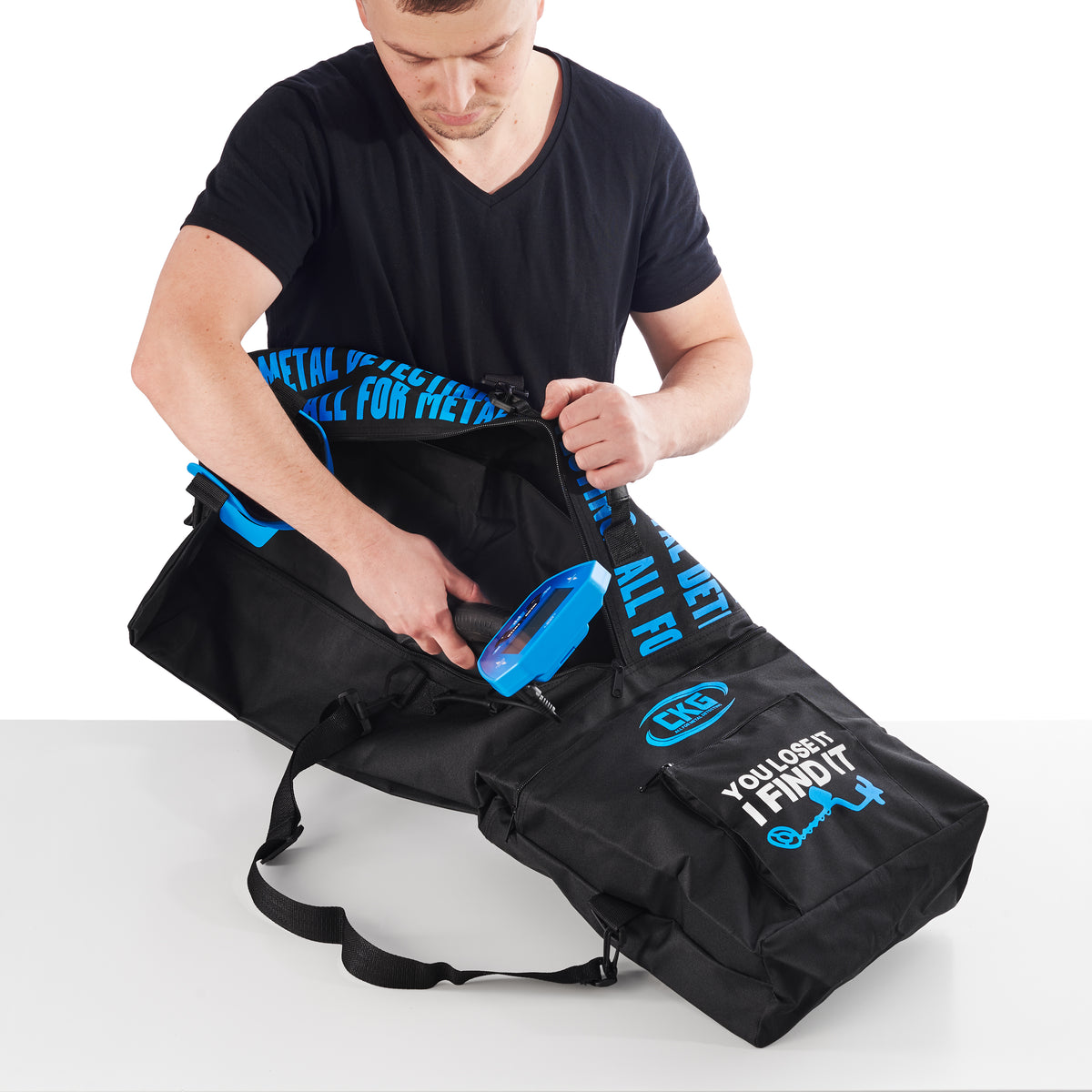
Keep finds and trash separate
A finds pouch is one of the most underrated beginner accessories. During one hunt, a detectorist may recover coins, pull tabs, nails, bottle caps, foil and small pieces of jewelry.
Keeping valuable finds separate from trash prevents scratches and makes the hunt more organized. Carrying away trash is also part of responsible metal detecting. It leaves the search area cleaner and removes unwanted signals for future hunts.
Starter kit for different locations
A beginner searching parks may need a detector, pinpointer, hand digger, gloves and pouch. A beach hunter should add a sand scoop and tools that can handle sand and moisture. Someone searching fields may prefer a stronger shovel and a secure finds box.
The best beginner metal detecting kit is not always the largest one. It is the kit where every tool has a clear purpose.
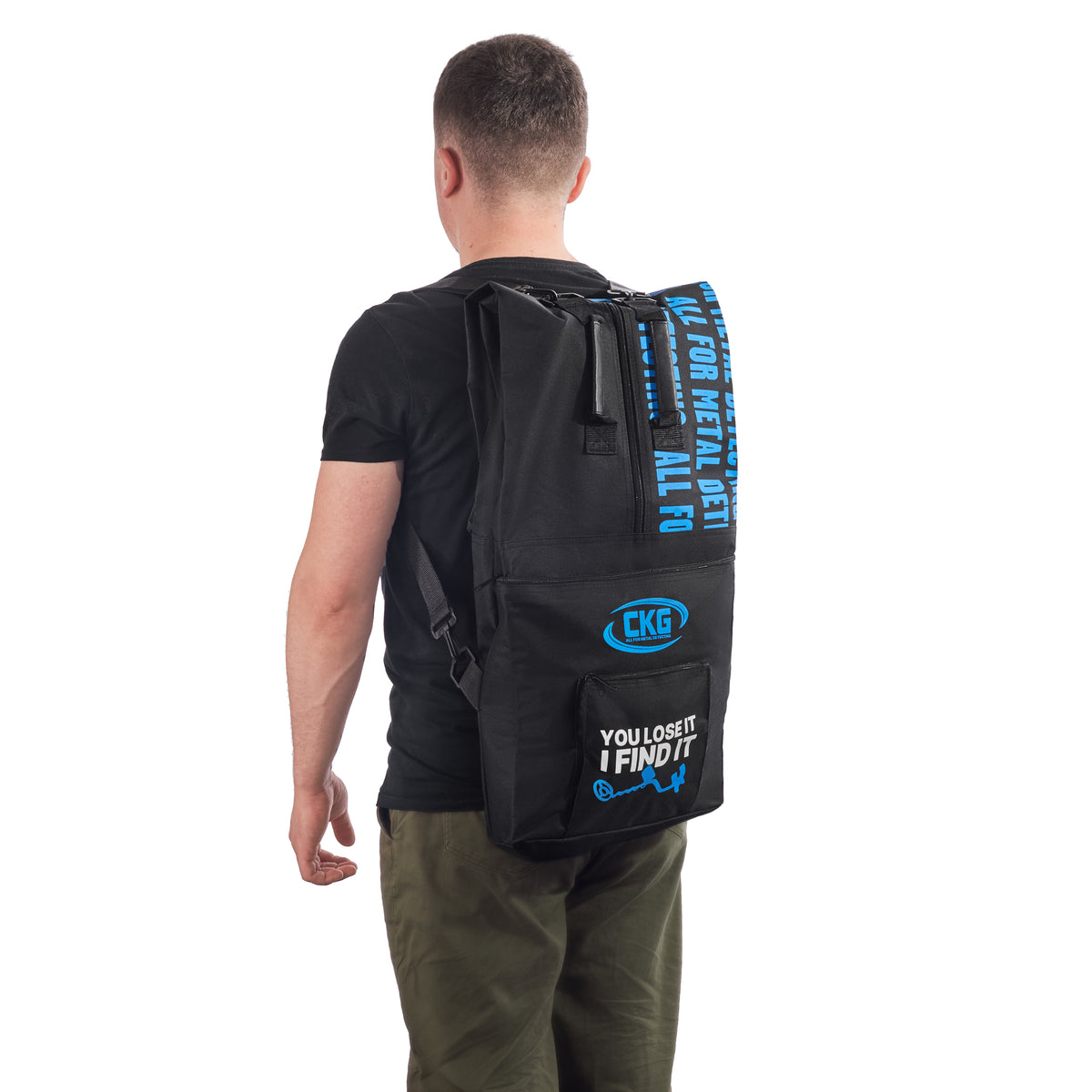
Final thought
A metal detector starter kit gives beginners confidence because it prepares them for the full search process. With the right detector, pinpointer, digging tool and storage, new treasure hunters can recover targets faster, protect their finds and enjoy the hobby from the first trip.

Sandra Larson is a writer with the personal blog at ElizabethanAuthor and an academic coach for students. Her main sphere of professional interest is the connection between AI and modern study techniques. Sandra believes that digital tools are a way to a better future in the education system.