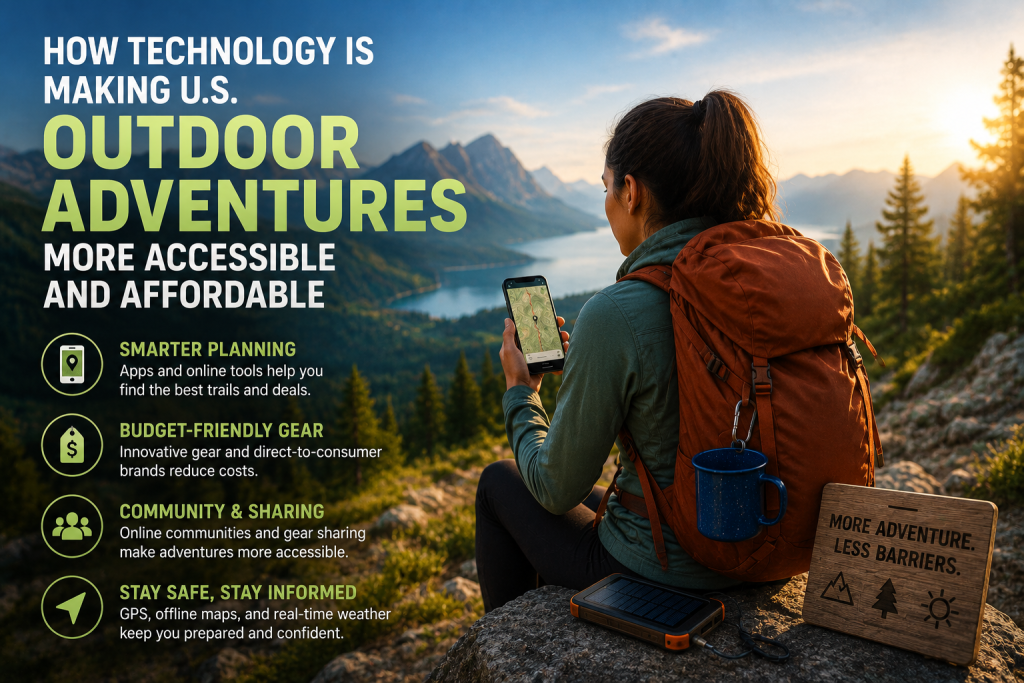
America’s outdoor culture has never been limited to experienced hikers, campers, or adventure travelers. From national parks and scenic road trips to outdoor festivals, beaches, cycling trails, and weekend getaways, there are countless ways to enjoy the outdoors across the United States. What has changed is how technology helps people discover, plan, and experience these adventures.
Today, travelers can use smartphones, online platforms, navigation apps, budgeting tools, and wearable devices to make outdoor experiences easier and more affordable. Technology can reduce planning stress, help travelers avoid unnecessary expenses, and provide useful information before they leave home.
Finding Outdoor Experiences With Digital Tools
One of the biggest advantages of modern technology is access to information. Travelers no longer have to depend entirely on guidebooks or recommendations from friends to find interesting outdoor destinations.
Online maps and travel platforms can help people discover hiking trails, public parks, beaches, campgrounds, scenic viewpoints, cycling routes, and outdoor attractions. Reviews and community recommendations can also provide practical information about parking, difficulty levels, facilities, and accessibility.
This is especially useful for travelers visiting an unfamiliar city. Someone planning a weekend in Denver, Seattle, San Diego, Austin, or Portland can research outdoor activities before arriving and build an itinerary around locations that match their interests and budget.
Weather Information Makes Planning Easier
Weather can have a major impact on outdoor plans. A sunny afternoon can be perfect for hiking or sightseeing, while unexpected rain can quickly change an itinerary.
Checking a weather forecast online before leaving for an outdoor activity can help travelers make better decisions about timing, clothing, transportation, and backup plans. Instead of discovering unfavorable conditions after arriving at a destination, travelers can adjust their schedules in advance.
Weather information can also help visitors decide which activities belong on which days. For example, a traveler might schedule a trail hike for a clear morning and save museums, restaurants, or indoor entertainment for a day when conditions are less favorable.
This type of preparation can make a trip more comfortable while reducing the likelihood of wasting money on activities that weather conditions prevent.
Saving Money Through Smarter Planning
Technology can also make outdoor adventures more affordable. Travel apps and comparison platforms allow visitors to research accommodation, transportation, attractions, and other expenses before committing to a trip.
Budget-conscious travelers can compare different lodging options, identify free or low-cost attractions, and plan transportation more efficiently. Digital maps can help create routes that combine several destinations, potentially reducing unnecessary driving and fuel costs.
Even small decisions can add up. Finding a nearby public park instead of paying for an expensive attraction, for example, can leave more room in the budget for food or other experiences.
Technology also makes it easier to keep track of spending. Budgeting apps and simple digital spreadsheets can help travelers establish limits for accommodation, meals, transportation, event tickets, and activities before their trip begins.
Smartphones Are Becoming Outdoor Travel Companions
A modern smartphone can serve as a surprisingly useful outdoor travel tool. Navigation apps can help travelers find their way, while digital maps can provide directions and information about nearby attractions.
Cameras allow people to document their experiences without carrying additional equipment, while emergency communication features can provide an extra layer of convenience during many types of trips.
For longer adventures, portable chargers and power banks can help keep essential devices running. Travelers can also download maps or important information before heading into areas where mobile connectivity may be limited.
The result is a lighter and more flexible approach to outdoor travel. Instead of carrying several separate devices, travelers can often handle multiple tasks with a phone and a few compact accessories.
Wearable Technology and Outdoor Recreation
Wearable technology has also become increasingly popular among people who enjoy outdoor activities. Fitness trackers and smartwatches can monitor steps, distance, heart rate, and other activity data.
For hikers, runners, cyclists, and casual outdoor enthusiasts, these features can make activities more engaging. People can set personal goals, monitor progress, and use recorded information to understand how they performed during a particular adventure.
Some devices also offer navigation and safety-related features, making them useful companions for travelers who spend significant time outdoors.
Technology does not replace preparation, however. Travelers should still understand their destination, follow local rules, carry appropriate supplies, and avoid relying entirely on electronic devices.
Key Ways Technology Improves Outdoor Adventures
Technology can benefit outdoor travelers in several practical ways:
- Better planning: Digital resources make it easier to research destinations, trails, attractions, and local conditions.
- Lower costs: Comparison tools and budgeting apps help travelers find affordable transportation, accommodation, and activities.
- Weather awareness: Forecasting tools allow visitors to plan around changing conditions and reduce disruptions.
- Navigation: GPS and digital maps can make unfamiliar locations easier to explore.
- Accessibility: Online information helps travelers research facilities, routes, and destinations before arriving.
- Activity tracking: Wearables can monitor fitness goals and provide useful information during outdoor recreation.
- Convenience: Smartphones can combine maps, cameras, travel information, communication, and other useful functions in one device.
Technology Can Make Outdoor Culture More Inclusive
Accessibility is another area where technology can make a meaningful difference. Online information can help travelers research trails, parks, transportation options, facilities, and other features before visiting a location.
This allows people to choose experiences that better match their individual needs and abilities. Families, older travelers, and people with different mobility requirements can research destinations in advance rather than arriving without knowing what to expect.
Clear digital information can therefore make outdoor recreation feel less intimidating and more approachable to a wider audience.
Making the Most of America’s Outdoor Culture
Technology has not changed the appeal of America’s outdoor spaces. Mountains, beaches, forests, parks, trails, and scenic highways remain the main attractions. What technology has changed is the process of getting there and making the most of the experience.
With better planning tools, weather information, navigation apps, budgeting resources, and wearable devices, travelers can approach outdoor adventures with greater confidence. They can research destinations, compare costs, prepare for changing conditions, and build itineraries that fit their interests.
Conclusion
The combination of technology and outdoor recreation gives modern travelers more control over how they explore the United States. A well-planned trip does not necessarily require a large budget or complicated preparation. With the right digital tools, travelers can discover affordable destinations, monitor conditions, navigate unfamiliar areas, and make smarter decisions throughout their journey.
As technology continues to evolve, it will likely become an even more useful companion for people who want to experience America’s outdoor culture. The key is to use technology as a planning and support tool while still enjoying the natural environments, local communities, and real-world experiences that make outdoor adventures memorable.

Hi! I’m Bryan, and I’m a passionate & expert writer with more than five years of experience. I have written about various topics such as product descriptions, travel, cryptocurrencies, and online gaming in my writing journey.