

On paper, The Christophers has this perfect premise. You’ve got Steven Soderbergh directing, Ed Solomon writing, and a cast led by Ian McKellen and Michaela Coel. It’s built around a pretty strong idea, too, as it asks questions about authorship, legacy, and what makes art “real” when the person behind it starts to fade. That’s all there, but the strange part is how muted the final result feels despite all of that.
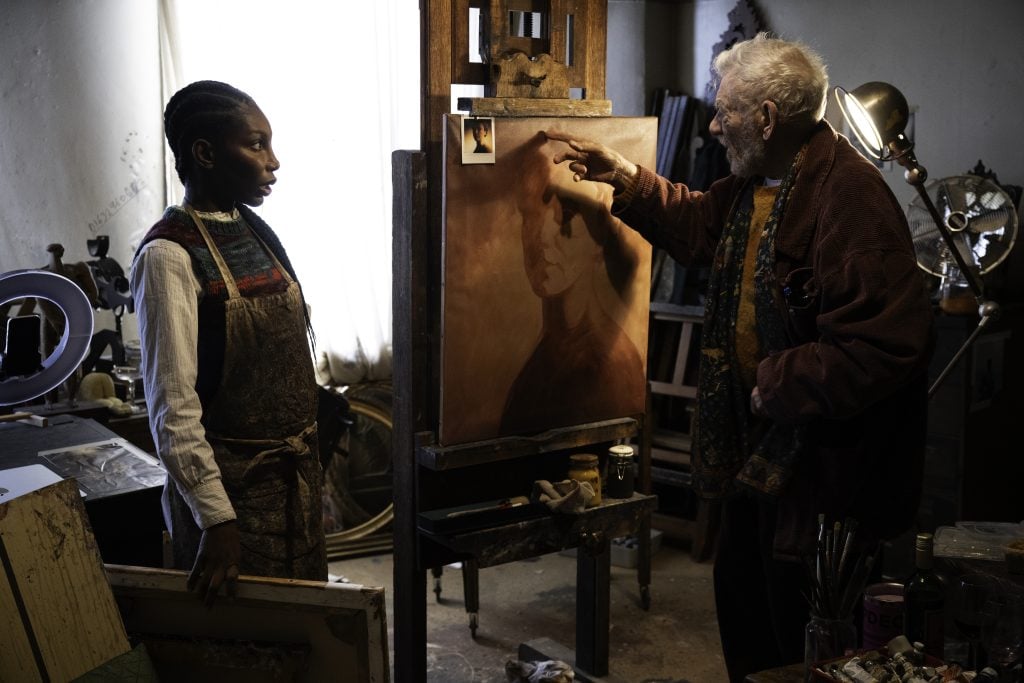
The film centers on Julian Sklar (Ian McKellen), a once-celebrated painter from the London art scene who now lives in isolation, surrounded by unfinished canvases and a reputation that’s clearly doing more work than he is. McKellen plays him as someone aware of his own decline but unwilling to fully admit it. He’s very sharp, difficult to be around, occasionally funny, and very aware of how people see him. There’s a lived-in quality to the performance that carries a lot of the film, especially in quieter moments where it’s him talking about his past or circling around why he stopped painting in the first place.
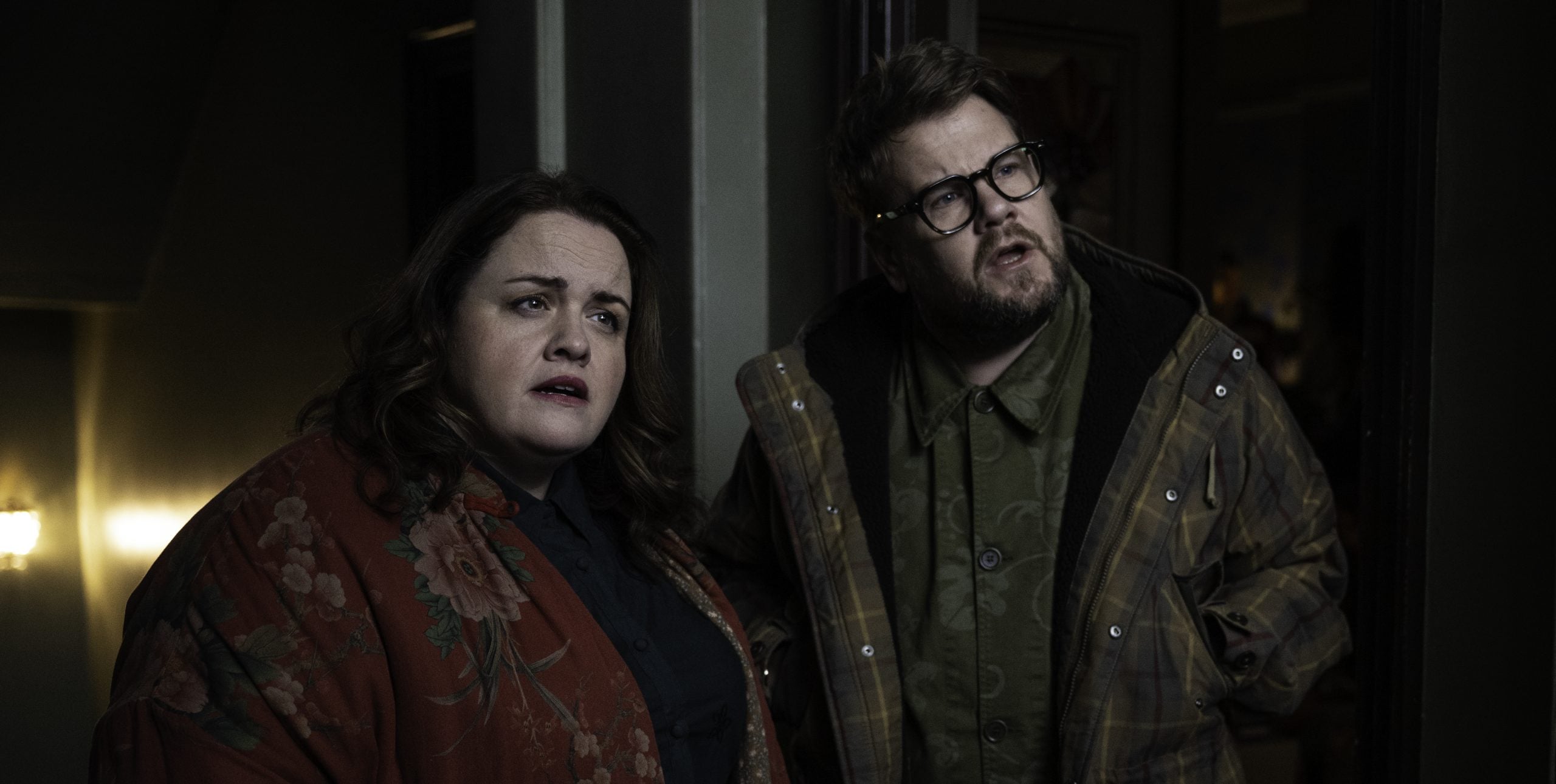
Outside of that house, there’s a much more cynical story unfolding. His estranged children, Barnaby (James Corden) and Sallie (Jessica Gunning), want control of his legacy before he’s even gone. Their plan is simple: hire someone to finish his abandoned series of paintings—The Christophers so they can be sold as part of his body of work. That someone is Lori Butler (Michaela Coel), a younger artist who specializes in imitation and steps into Julian’s life under the pretense of being his assistant.
That setup is where the film is at its most interesting. Instead of Lori straight-up copying him, she ends up “studying” him, watching how he talks about art, how he justifies his choices, how he avoids certain truths. The longer she stays, the more the job starts to shift. It becomes about understanding the person behind them, and whether that even matters if the end result looks convincing enough.
The dynamic between McKellen and Coel is easily the best part of the movie. Their scenes have a looseness to them that the rest of the film doesn’t quite match. There’s a playful edge to their conversations, but also a quiet tension underneath it. You can feel two very different perspectives on art and purpose brushing up against each other as one coming from experience and ego, the other from observation and adaptability. The film slows down in these moments, and it benefits from that.

It’s also where the writing is at its sharpest. The dialogue has a wit to it that keeps things engaging even when the story isn’t moving much. There are stretches where it feels like the film is content to just sit in those conversations, and honestly, those are the parts that work best.
The issue is everything around that central relationship. The subplot involving the children never fully comes together. Barnaby and Sallie feel more like ideas than actual people, which makes the entire scheme less engaging than it should be. You understand their motivation, but there’s not much depth there, and the film doesn’t spend enough time developing them beyond that initial setup. As a result, the tension between what’s happening inside the house and what’s being planned outside of it never really builds.
The pacing doesn’t help either. The film has long stretches where it feels like it’s idling, not quite pushing forward and not fully committing to staying still. It creates this strange middle ground where scenes are individually interesting, but the overall momentum just isn’t there. You keep waiting for something to tighten or escalate, and it never really does.
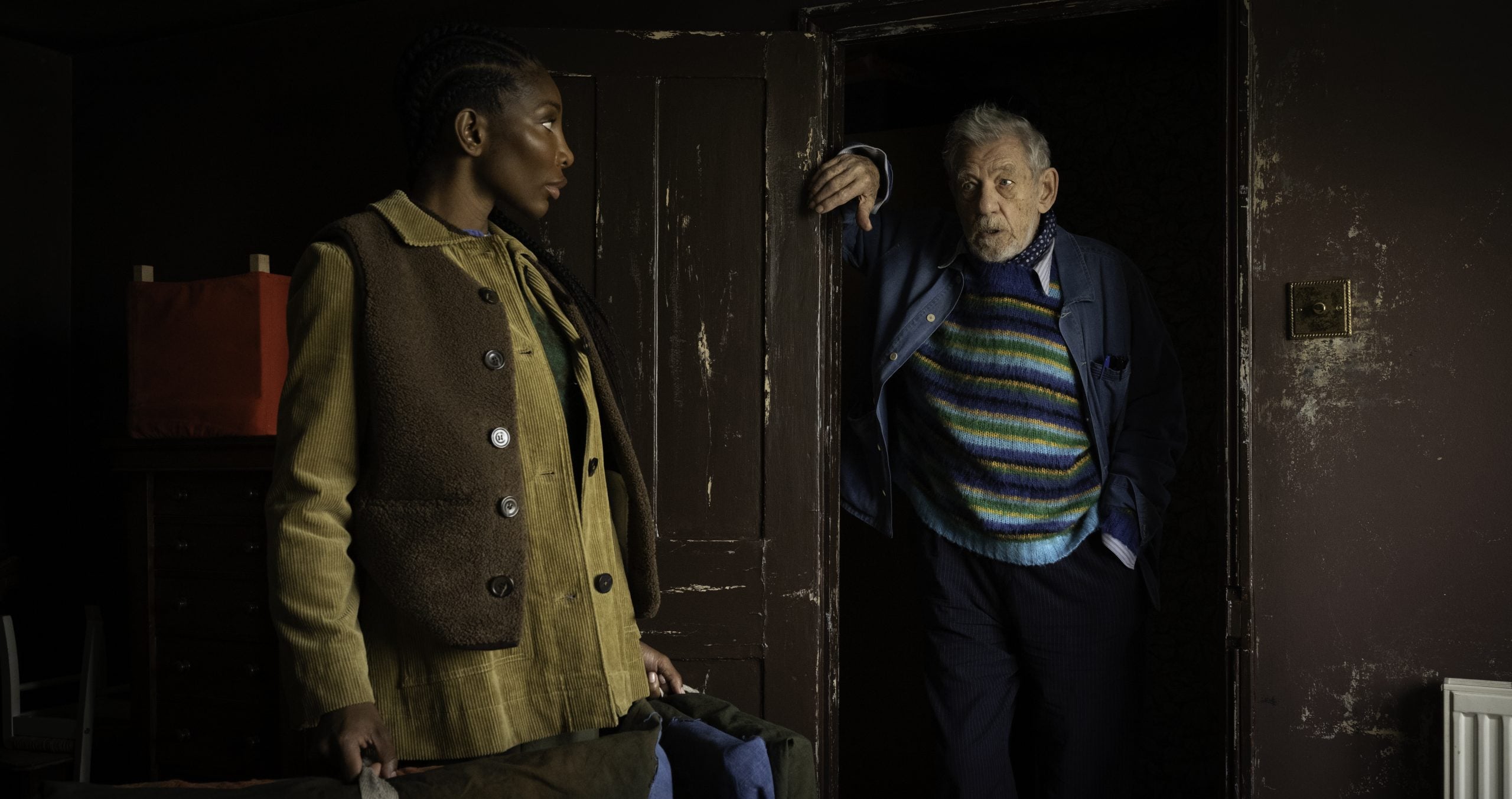
What’s more surprising is how visually flat the film feels. For a director like Soderbergh, whose work usually has a distinct rhythm or visual identity, this comes off unusually plain. There’s nothing distracting about it, but there’s also nothing that stands out. Given that the film is about art, about texture, authorship, and the act of creation, it’s a bit disappointing that it doesn’t find a stronger visual language to match those ideas. The one thing it does get right is a certain sense of presence; the spaces feel lived-in, even if they’re not particularly memorable.
To the film’s credit, the themes are clear. It’s interested in what happens to art when it becomes a product, in whether authenticity actually matters if no one can tell the difference, and in how legacy can be shaped or manipulated by the people left behind. It also touches on mentorship in a way that feels slightly off-center, especially as Lori’s role becomes less defined. Those ideas are there, and they’re compelling. The film just doesn’t always push them far enough. With all that said, The Christophers feels like it’s built around two really strong performances and a solid central idea, but it never fully connects everything around them. McKellen and Coel give the film a pulse, and their scenes are worth sticking around for. It’s just that the rest of it doesn’t quite meet them there.
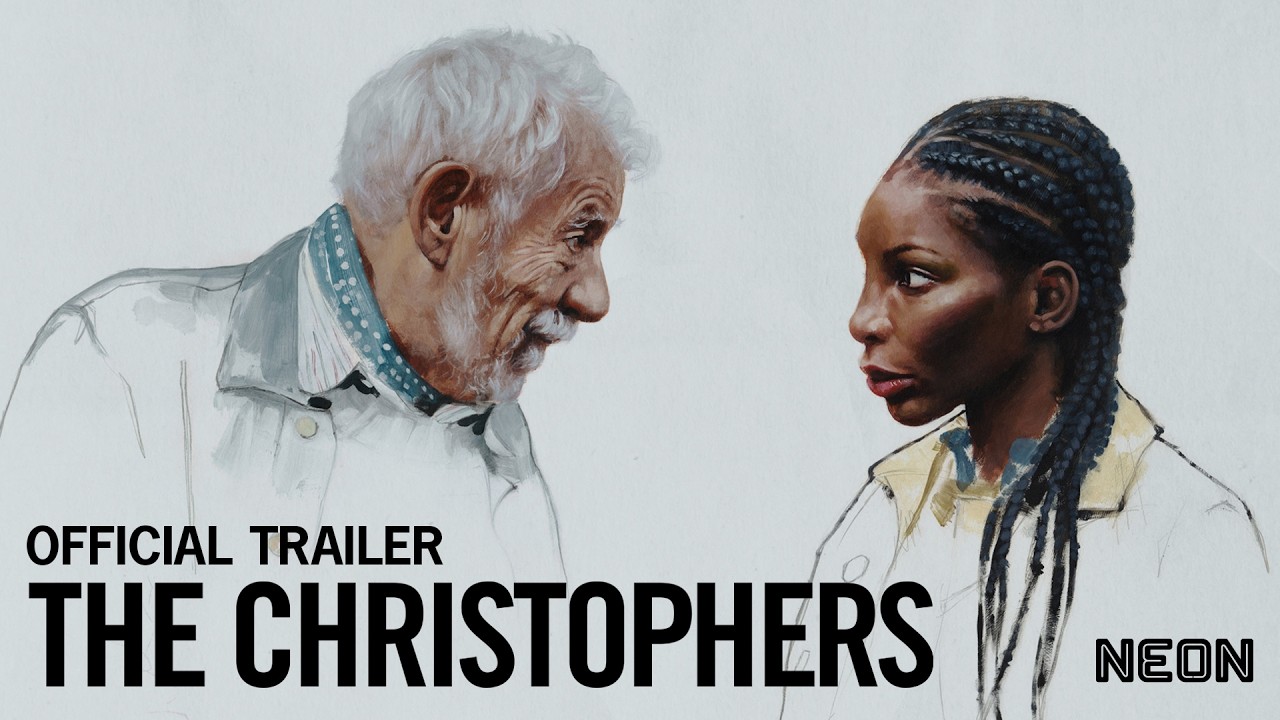
The Christophers is now playing in theaters courtesy of NEON.
The Christophers feels like it’s built around two really strong performances and a solid central idea, but it never fully connects everything around them. McKellen and Coel give the film a pulse, and their scenes are worth sticking around for. It’s just that the rest of it doesn’t quite meet them there.

Roberto Tyler Ortiz is a movie and TV enthusiast with a love for literally any film. He is a writer for LoudAndClearReviews, and when he isn’t writing for them, he’s sharing his personal reviews and thoughts on Twitter, Instagram, and Letterboxd. As a member of the Austin Film Critics Association, Roberto is always ready to chat about the latest releases, dive deep into film discussions, or discover something new.



1 Comment
l find it hard to equate my opinion of The Christophers, with the general consensus of the critics.
l found the plot somewhat tedious and thin. The sets within the house far too ‘arty’ and unnecessarily cluttered. The dialogue between the children and their father was stilted.
The script writing needed improving, but even then it cannot make much of a tepid storyline.