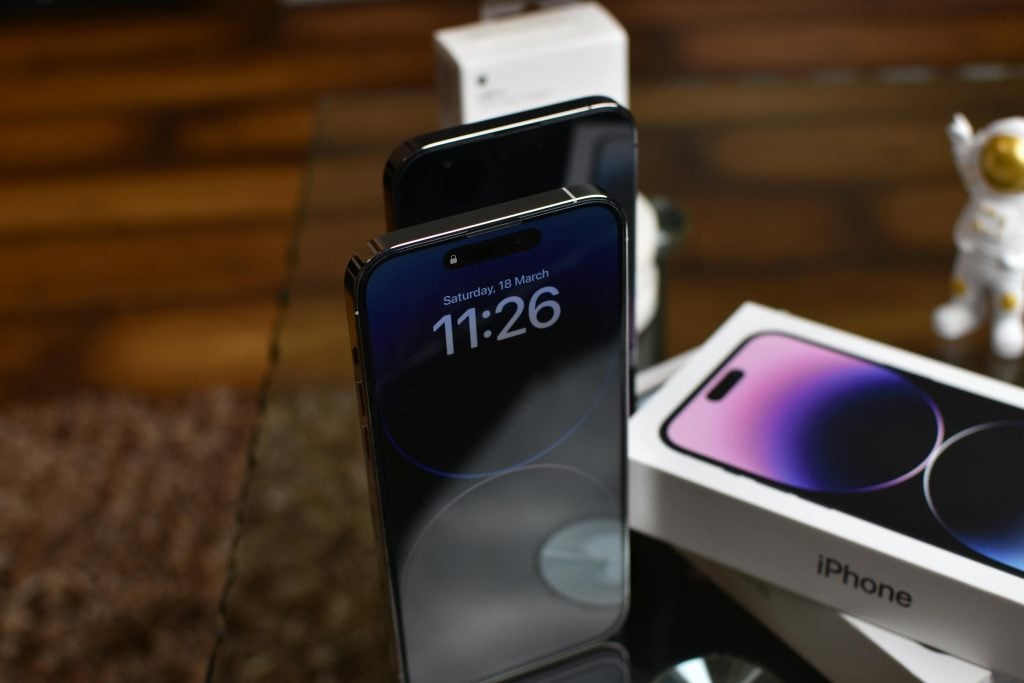
Owning an iPhone used to mean walking into an Apple store, picking the latest model, and signing up for a long contract. That was the routine for years. But in 2026, the way people buy, use, and replace iPhones looks very different. With prices climbing higher each year and new models arriving like clockwork, more buyers are stepping back and asking a simple question. Do I really need a brand new iPhone, or can I get the same experience for half the cost?
For many, the answer is no, and that shift is changing how we shop for smartphones.
Why Buying Brand New Feels Outdated
A new iPhone Pro now costs more than some laptops. For students, families, and casual users, that price tag is hard to justify. Most people use only a small slice of what their phone can do. They check messages, scroll through social media, take photos, and stream videos. None of that requires the latest chip or the newest camera setup.
There is also the upgrade cycle to think about. Apple releases a new iPhone every September. Within months, the device you bought at full price loses a big chunk of its value. Buying brand new starts to feel like driving a car off the lot, with the same fast drop in worth.
This is where the smarter buyer steps in.
The Quiet Rise of Refurbished iPhones
A few years ago, the word “refurbished” came with hesitation. People worried about scratched screens, weak batteries, or dodgy sellers. That picture has changed completely. Today, trusted sellers test, repair, and certify each device before it goes back on the market. You get a phone that works like new, often with a warranty, at a much better price.
Buyers in Australia have caught on quickly. Stores offering quality refurbished iPhone models now stock everything from the iPhone 12 to recent Pro Max models, fully tested and ready to go. . For anyone who wants a flagship experience without the flagship price, this is the easiest route.
A recent TechRadar review on switching to a refurbished iPhone 16 made the case clearly. The savings are real, the quality is solid, and there is no reason to keep paying full retail.
What “Refurbished” Actually Means Now
Not every refurbished phone is the same. Quality depends on the seller, so it helps to know what to look for. A well-refurbished iPhone usually goes through:
- A full hardware check covering screen, battery, speakers, and ports
- Replacement of any worn parts, including the battery if needed
- A software reset and update to the latest iOS
- Cleaning and packaging that looks close to new
- A return policy and warranty, often six to twelve months
When all those steps are followed, the device is hard to tell apart from a brand new unit. The only real difference is that someone else used it first.
Trading Up Without the Sting
There is also a second piece to this puzzle. Most people upgrade their phone every two or three years, but the old device usually ends up sitting in a drawer. That phone still has value. Selling it can cover a big part of your next purchase, and sometimes even all of it.
Online services have made this part easy too. You can easily sell your iPhone in a few simple steps, often without leaving the house. You enter the model, describe its condition, get a quote, ship it, and receive payment. No haggling, no listing photos, no waiting weeks for a buyer.
Pair this with buying a refurbished model, and the math suddenly looks great. You sell your old iPhone, put that money toward a refurbished one, and walk away with a newer device while spending almost nothing out of pocket.
The Sustainability Angle
There is a bigger reason why this shift matters. Smartphones are one of the largest sources of electronic waste in the world. According to a UNITAR report, of the sixteen billion mobile phones owned globally, more than five billion were expected to fall out of use in a single year. Most of those end up in landfills or forgotten in drawers, even though they still contain valuable metals like gold, copper, and silver.
When you buy a refurbished and sell your old device, you join a much better cycle. The phone keeps working. The metals stay in use. Less waste is produced. It is one of the easiest ways to be a smarter consumer without giving up the tech you love.
Who Wins With This Approach
This new way of owning an iPhone works for almost everyone:
- Students who need a reliable phone but cannot afford the latest Pro model
- Parents shopping for safe, working iPhones for their kids
- Travellers who want a backup device without taking a big risk
- Tech fans who enjoy trying different models without losing money each year
Even people who used to buy new every year are starting to see that the savings free up cash for other things, like accessories, AppleCare, or a better data plan.
Final Thoughts
The iPhone has not lost its appeal. It is still the most polished smartphone experience you can buy. What has changed is how you get one. In 2026, smart buyers no longer line up on launch day. They wait, they trade, and they buy refurbished. They sell their old phone for cash, put the money toward a great condition iPhone, and end up with the same lifestyle at half the cost.
Owning an iPhone used to be about status. Now it is about strategy. And that is a much better way to play the game.