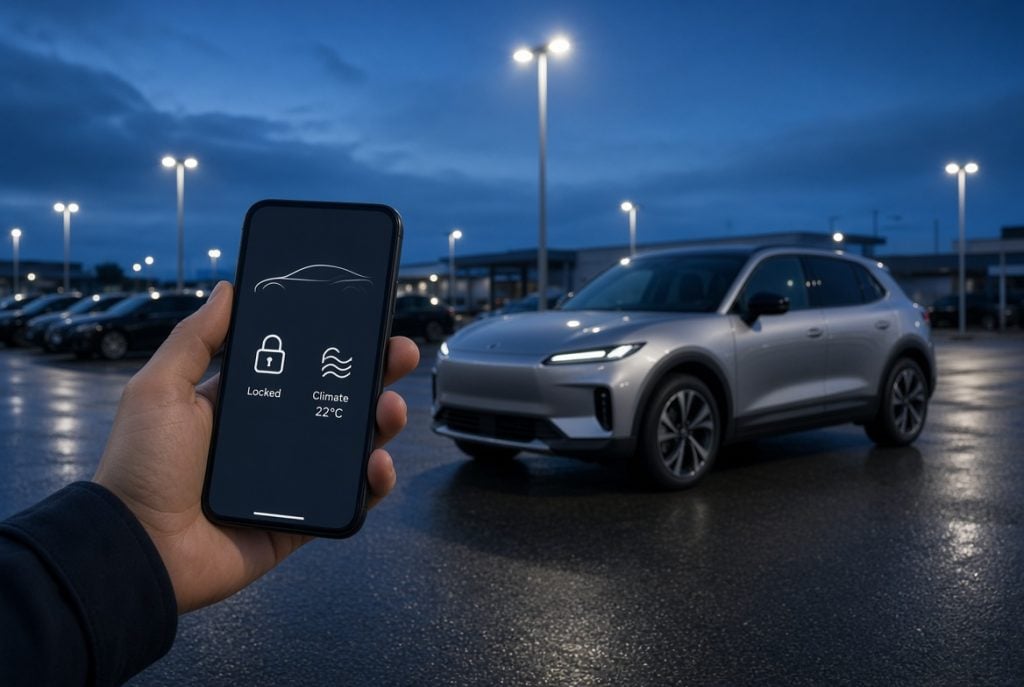
The modern vehicle is becoming more than a way to travel from one place to another. New Toyota models increasingly combine familiar qualities such as practicality and efficiency with digital features that can make everyday driving more convenient. For drivers exploring Toyota’s new inventory near Seattle, connected technology is an important part of understanding what today’s vehicles can offer. From smartphone-based controls to cloud-connected navigation and vehicle health information, these features are changing how drivers interact with their cars.
The growth of connected vehicles also means that choosing a new vehicle involves looking beyond engine performance, cargo space, and interior design. Technology, connectivity, software, and digital services can now influence the ownership experience just as much.
What Makes a Vehicle Connected?
A connected vehicle uses communication technology to exchange information with external systems, smartphones, cloud services, or other networks. Instead of operating entirely as an independent machine, the vehicle can share selected information and receive updates or commands through connected services.
Toyota’s current connected-services platform includes several functions designed around different parts of ownership. Depending on the vehicle and subscription, drivers may have access to Safety Connect, Service Connect, Remote Connect, Drive Connect, and Wi-Fi Connect. Availability varies by model and configuration.
This approach makes connectivity useful in practical situations rather than treating it simply as entertainment technology.
Remote Features Make Daily Ownership Easier
One of the most noticeable benefits of connected technology is the ability to interact with a vehicle without being inside it. Toyota’s Remote Connect service can allow compatible vehicles to be started, locked, or unlocked through a smartphone. The system can also help owners locate their vehicle, check vehicle status, and access certain information remotely.
These capabilities can be helpful during ordinary routines. A driver might check whether the doors are locked after walking away from a parking area or locate a vehicle in a large parking lot. Depending on the vehicle and service plan, remote climate controls can also help prepare the cabin before a journey.
The Toyota App brings several of these functions together, giving owners a central place to interact with compatible connected services.
Navigation Is Becoming More Dynamic
Traditional navigation systems depend heavily on information stored within the vehicle. Connected navigation can take a more dynamic approach by using cloud-based information and updated traffic data.
Toyota’s Drive Connect service includes cloud navigation, Destination Assist, and an Intelligent Assistant on compatible vehicles. Toyota describes the service as providing access to real-time traffic information, live-agent assistance, and voice commands.
This can make navigation more adaptable during everyday driving. A route can account for changing traffic conditions, while voice-based functions can reduce the need to manually interact with a screen.
For drivers who regularly travel unfamiliar roads, commute through busy areas, or take longer trips, these capabilities can become an important part of the driving experience.
Smartphone Integration Keeps Familiar Apps Within Reach
Connected vehicles also bridge the gap between the smartphone and the vehicle’s built-in multimedia system. Toyota supports wireless Apple CarPlay and Android Auto on applicable models, allowing compatible smartphones to connect with the vehicle’s multimedia interface.
This integration can make common tasks more convenient. Drivers can access compatible navigation, communication, and media applications through the vehicle’s display and controls rather than relying exclusively on the phone itself.
The benefit is not simply having more applications. A well-integrated system can help create a more familiar interface for drivers who already depend on their smartphones throughout the day.
Vehicle Health Information Can Simplify Maintenance
Connected technology can also extend into vehicle maintenance. Toyota’s Service Connect provides vehicle health reports, vehicle alerts, maintenance alerts, and maintenance reminders on compatible vehicles.
This creates another connection between the driver and the vehicle. Instead of relying entirely on memory for routine maintenance, owners can receive information through connected services and the Toyota App.
The system can also provide information related to recalls and service campaigns through available vehicle health features.
For busy drivers, having vehicle information organized digitally can make it easier to keep track of ownership responsibilities.
Connectivity Can Support Safety and Assistance
Connected technology is not limited to convenience. Toyota’s Safety Connect service includes features such as an Emergency Assistance Button, Automatic Collision Notification, Enhanced Roadside Assistance, and a Stolen Vehicle Locator, depending on vehicle and service availability.
These features are designed to provide additional assistance when unexpected situations occur. They work alongside, rather than replacing, the vehicle’s built-in driver-assistance technologies.
Toyota has also continued developing its driver-assistance systems. Toyota Safety Sense 4.0, introduced in 2026, includes improvements involving sensors, processing, software, and system functionality.
The combination of driver-assistance technology and connectivity illustrates how modern vehicles are increasingly built around software as well as mechanical components.
In-Car Entertainment Is Becoming More Connected
Entertainment has also changed as vehicles gain access to internet-connected services. Toyota’s available Wi-Fi Connect can provide a 4G LTE hotspot for compatible devices, while select vehicles support integrated streaming services such as Apple Music and Amazon Music.
For families, passengers, and people who spend significant time on the road, an in-car connection can be useful beyond simply playing music. Multiple devices can potentially remain connected during longer journeys, although availability and subscription requirements vary.
The important development is that entertainment is increasingly integrated into the vehicle’s broader digital ecosystem.
Connected Vehicles Depend on Data and Privacy
The advantages of connectivity also come with another consideration: data. Modern connected vehicles can collect and transmit information related to the vehicle and its operation.
Toyota’s current Connected Services privacy notice explains that connected vehicles may transmit information such as location, driving data, and vehicle health information. Toyota says this data is used to provide connected services and for purposes including quality improvement, research and development, warranty support, and product recall assistance.
For consumers, understanding privacy settings, service terms, and the information associated with connected features is therefore an important part of evaluating a modern vehicle.
New Inventory Is About More Than Physical Features
When examining new Toyota vehicles, technology can be another useful category for comparison alongside fuel economy, powertrain, passenger space, cargo capacity, and comfort.
Not every Toyota model offers identical connected features. Toyota’s 2026 feature-availability information shows differences among models and configurations for services such as Remote Connect, Drive Connect, Wi-Fi Connect, wireless smartphone integration, and other multimedia functions.
This makes it worthwhile to check the specific vehicle rather than assuming that every feature is included across the entire lineup. Trial periods, subscriptions, network requirements, and equipment packages can also affect how a connected service works after purchase.
The Future of Everyday Driving
The rise of connected vehicles suggests that automotive technology will continue moving toward greater integration between the vehicle, smartphone, cloud services, and software. Features that once seemed separate—navigation, maintenance information, entertainment, remote controls, and safety assistance—are increasingly being connected through shared digital systems.
For drivers, the result is a vehicle that can provide information and assistance before, during, and after a trip. The technology does not replace the fundamentals of good vehicle design, but it can add another layer of convenience to everyday ownership.
Conclusion
Toyota’s new inventory reflects a broader shift in the automotive industry toward connected driving. Remote controls, cloud-based navigation, smartphone integration, maintenance information, safety services, and in-car connectivity are becoming important parts of the modern ownership experience.
As these systems continue to develop, understanding what each vehicle offers will be just as important as comparing traditional specifications. By looking at both physical capabilities and connected features, drivers can better understand how a modern Toyota may fit into their daily routines and technology needs.

Matthew is a Sr. Content Writer working as a freelancer in Outreachmonks for the past 5 years. He has completed his education in Bachelor’s in Business Administration. With his articles he loves to impart information about the latest business trends and models.