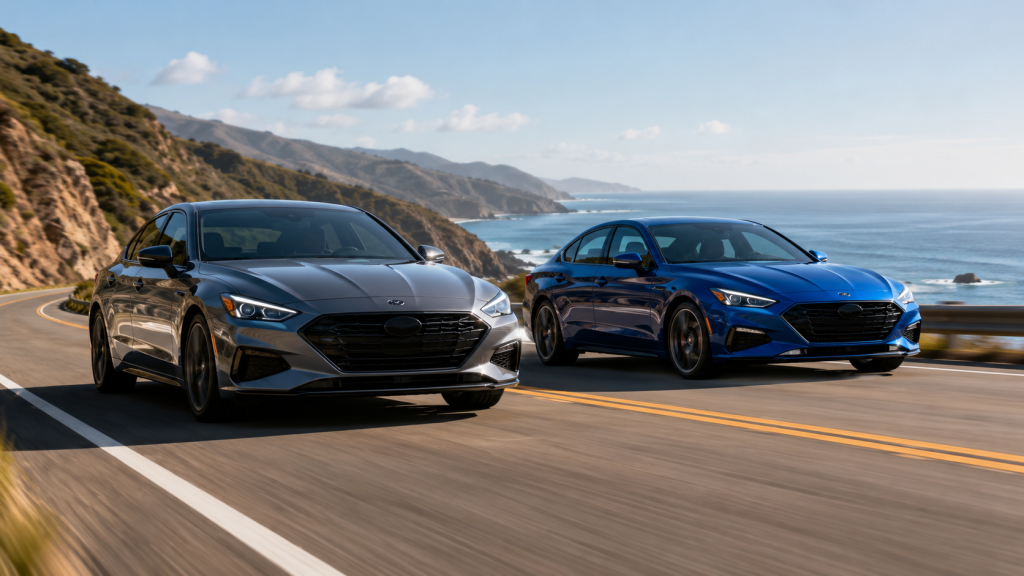
At first glance, two used cars of the same make, model, and year may appear nearly identical. However, their prices can differ by thousands of dollars. Experienced buyers know that a vehicle’s value depends on much more than its appearance or mileage. Understanding these factors can help you recognize a fair deal and make a more informed purchase. If you’re shopping through a used car dealer in Tulsa, knowing what influences vehicle value will make comparing your options much easier.
Vehicle History Makes a Major Difference
One of the biggest factors affecting a used car’s value is its history.
A vehicle with a clean title, no major accidents, and consistent ownership often commands a higher price than a similar model with collision damage or title issues. Even if repairs were completed professionally, a significant accident can influence future resale value.
Reviewing a vehicle history report helps you understand the background before making a decision.
Maintenance Records Show How the Vehicle Was Cared For
Regular maintenance can greatly influence a vehicle’s long-term value.
Cars with documented oil changes, brake service, tire rotations, and scheduled maintenance generally inspire greater buyer confidence. Complete service records suggest the previous owner took responsible care of the vehicle, reducing uncertainty about its condition. For dependable auto repair and maintenance that helps keep those records complete and accurate, many vehicle owners trust Tom Joyce Automotive.
A well-maintained vehicle often provides better long-term reliability than one with an incomplete maintenance history.
Mileage Is Important—but Not Everything
Many buyers focus first on the odometer, but mileage alone doesn’t tell the whole story.
A higher-mileage vehicle that received excellent maintenance may be a better investment than a lower-mileage vehicle that was neglected. Driving conditions also matter. Highway miles often place less strain on a vehicle than frequent stop-and-go city driving.
Evaluating mileage alongside overall condition provides a more accurate picture of value.
Condition Inside and Out
The physical condition of a used car has a direct impact on its market value.
Scratches, dents, worn upholstery, stained carpets, cracked windshields, or damaged wheels can reduce buyer interest. Likewise, a clean interior and well-maintained exterior create a positive first impression and often justify a higher asking price.
Cosmetic condition may not affect mechanical performance, but it certainly influences overall value.
Trim Level and Optional Features
Not every version of the same vehicle offers identical equipment.
Higher trim levels often include premium features such as leather seating, advanced safety technology, upgraded infotainment systems, navigation, panoramic sunroofs, and larger wheels. These additions can significantly increase resale value compared to a base model.
Understanding trim differences helps explain why similar vehicles may have different prices.
Market Demand Influences Pricing
Used vehicle values change with market conditions.
Popular SUVs, trucks, and fuel-efficient cars often retain stronger values because they remain in high demand. Seasonal trends can also affect pricing. For example, four-wheel-drive vehicles may become more desirable during colder months in certain regions.
Supply and demand play an important role in determining what buyers are willing to pay.
Mechanical Condition Matters
A vehicle’s mechanical health is one of the most valuable aspects of any used car.
Engine performance, transmission operation, suspension, brakes, tires, and electrical systems all contribute to overall value. Two cars may look similar, but one may require significant repairs while the other is ready for years of dependable driving.
A professional pre-purchase inspection can reveal differences that aren’t immediately visible.
Previous Ownership Can Affect Value
The number of previous owners may also influence pricing.
Vehicles with fewer owners sometimes attract more buyer confidence because their history is often easier to verify. Cars that changed ownership frequently may raise questions about long-term maintenance or recurring issues.
While multiple owners don’t automatically indicate problems, they are worth considering during your evaluation.
Warranty Coverage and Certification
Some used vehicles include additional protection that increases their value.
Certified pre-owned models often undergo detailed inspections and may include warranty coverage or other ownership benefits. These added protections provide greater peace of mind and can justify a slightly higher purchase price.
Comparing warranty options helps buyers understand the complete value of each vehicle.
Conclusion
Two similar used cars can have very different values because many factors influence their worth beyond the model year and mileage. Vehicle history, maintenance records, mechanical condition, trim level, market demand, cosmetic appearance, and warranty coverage all contribute to pricing. By carefully evaluating each of these areas instead of focusing only on the sticker price, you can make a smarter purchasing decision and choose a used car that offers dependable performance and lasting value.