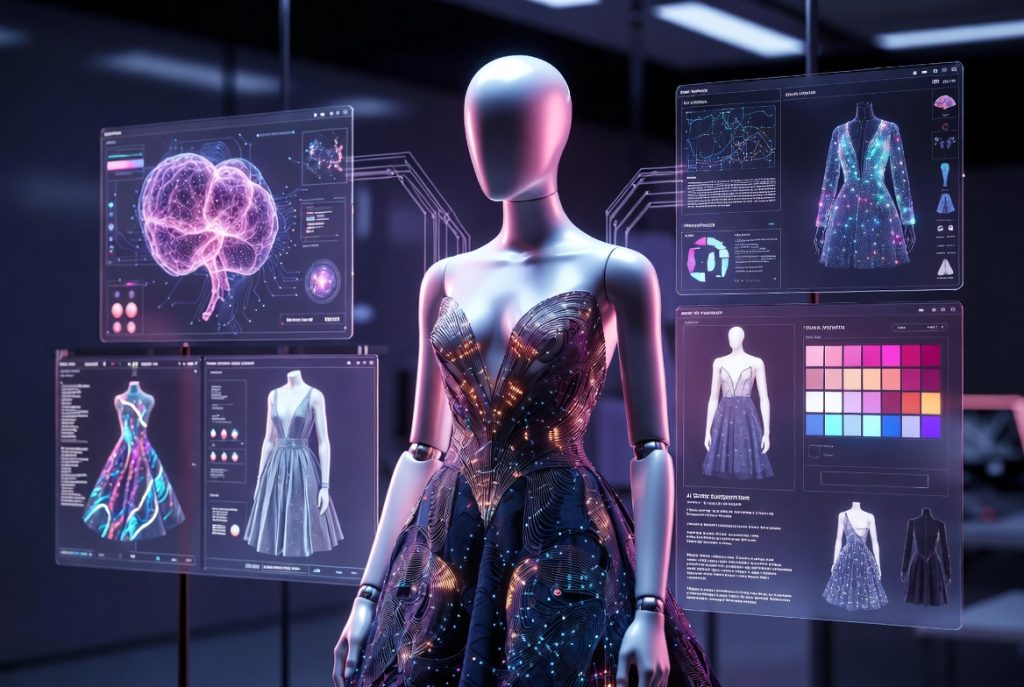
Fashion has always blended imagination with precision. A flowing sketch may capture the soul of a garment, but factories still need exact measurements, material details, color references, and construction notes before sampling can begin. An AI tech pack generator can help organize this information into a production-focused document, giving designers a faster way to build the foundation of their specifications. It does not replace technical understanding or thoughtful decision-making. Instead, it supports the people behind the product, helping them spend less time formatting repetitive pages and more time refining fit, function, and creative details.
Moving Beyond the Blank Page
Creating a technical package from scratch can feel daunting, especially for someone developing a first collection. Each style may require flat drawings, measurement charts, bills of materials, trim information, colorways, labeling details, and packaging instructions. Forgetting one section can lead to questions later.
AI-assisted software can make the starting point less intimidating. The user enters available product details, selects relevant categories, and receives a structured draft that can be reviewed and expanded. Rather than staring at an empty document, the designer begins with an organized framework. This makes it easier to notice missing information and understand what a manufacturer will need before preparing a sample.
Turning Creative Ideas into Clear Instructions
Designers naturally think in colors, textures, shapes, and moods. Manufacturers need those ideas translated into instructions that can be measured, sourced, cut, sewn, and checked. Bridging those two perspectives has traditionally taken considerable technical effort.
Modern digital tools can help convert product descriptions and visual references into useful specification categories. A designer may describe an oversized cotton shirt with a dropped shoulder, curved hem, and concealed button placket. The system can then suggest sections where dimensions, fabric properties, button details, seam finishes, and construction notes should be recorded.
The designer still decides what is correct. Technology simply helps arrange the information so creative intentions become easier for production partners to understand.
Speeding Up Repetitive Documentation
Fashion collections often include several related styles. A brand might produce the same blouse in multiple colors or create a family of garments that shares fabrics, labels, and packaging. Re-entering identical information for every product consumes time and increases the chance of inconsistency.
AI-supported platforms can reuse approved details, populate repeated fields, and create consistent layouts across several styles. Teams can then focus on the characteristics that make each garment different. That could include a revised sleeve, another closure, a new print placement, or adjusted measurements.
This efficiency is useful for independent designers and established product teams alike. Saving time on repetitive administration leaves more room for fabric review, fitting sessions, supplier communication, and other work that depends heavily on human experience.
Making Collaboration More Consistent
Apparel development may connect designers, pattern makers, sourcing specialists, merchandisers, buyers, and manufacturers across different locations. When each person uses a different document format, important details can become difficult to locate.
A consistent digital structure gives team members a familiar place to find drawings, measurements, materials, and revision notes. Suppliers can review the same categories for every style, while internal teams can compare products without navigating completely different layouts.
Consistency also improves feedback. Instead of sending a vague message asking for a shorter sleeve, a reviewer can identify the exact measurement point and enter the revised value. Clear references make comments more actionable and reduce the likelihood that a correction will be misunderstood.
Supporting Faster Sample Development
The first sample rarely matches every expectation. A neckline may sit differently on the body than it appeared in the sketch. Fabric can drape in an unexpected way, or a pocket may need to move for better balance. Sampling remains an essential part of developing a successful garment.
Digital tools can help teams document each fitting more efficiently. Photographs, comments, measurement updates, and construction changes can be connected to the relevant section. When the revised document returns to the sample maker, the requested adjustments are easier to follow.
A clear revision history is particularly valuable. It shows what changed, when the decision was made, and which version is current. This helps prevent old specifications from reappearing during later sampling rounds.
Improving Cost and Sourcing Discussions
Accurate pricing depends on specific information. Fabric weight, trim selection, stitch type, artwork, garment complexity, packaging, and order quantity can all influence the final cost. When these details are missing, suppliers may provide only rough estimates or include extra allowances for uncertainty.
Well-structured documents give sourcing teams and factories more information to review. They can identify expensive features, unavailable components, or processes that require longer lead times. The brand can then consider practical alternatives before committing to production.
Perhaps a custom zipper can be replaced with a reliable stock option, or a decorative detail can be adjusted without changing the overall design. Earlier visibility supports thoughtful decisions and helps protect a developing budget.
Recognizing Where Human Expertise Still Matters
Artificial intelligence can organize information, suggest fields, and reduce repetitive work, but it cannot physically evaluate a garment. It cannot feel whether a waistband is uncomfortable, watch how fabric moves while someone walks, or judge whether a seam creates unwanted bulk.
Generated content may also contain incorrect assumptions or generic suggestions that do not suit a particular design. Every measurement, material description, construction instruction, and component choice should be checked by someone with appropriate product knowledge.
Pattern makers, garment technicians, designers, and manufacturers remain essential. Their experience catches problems that software may overlook. The best results come when technology supports professional judgment rather than being treated as an automatic replacement for it.
Choosing a Tool That Fits the Workflow
Not every platform offers the same features. Some focus on generating technical flats, while others emphasize measurement tables, material lists, collaboration, costing, or revision management. The right choice depends on the products being developed and the experience of the team.
Before committing, users should look at how easily information can be edited, exported, shared, and updated. A useful system should allow human review at every stage. It should also produce documents that suppliers can open and understand without needing specialized access.
Starting with one or two styles can reveal whether the tool genuinely saves time. Feedback from pattern makers and manufacturing partners can then guide adjustments to the workflow.
A More Practical Future for Fashion Teams
The value of new technology is not simply that it makes documents faster. Its real promise lies in helping people communicate with greater consistency and approach development with better preparation.
When used responsibly, AI can reduce repetitive formatting, organize complex product information, and give new designers a clearer route into manufacturing. Experienced teams can use it to streamline familiar tasks and keep larger collections aligned. In every case, careful review remains essential.
A garment still begins with a human idea and succeeds through human skill. Technology provides another useful layer between inspiration and production, helping a delicate sketch become a product that can be measured, sampled, refined, and eventually worn.

Amanda Lancaster is a PR manager who works with 1resumewritingservice. She is also known as a content creator. Amanda has been providing resume writing services since 2014.