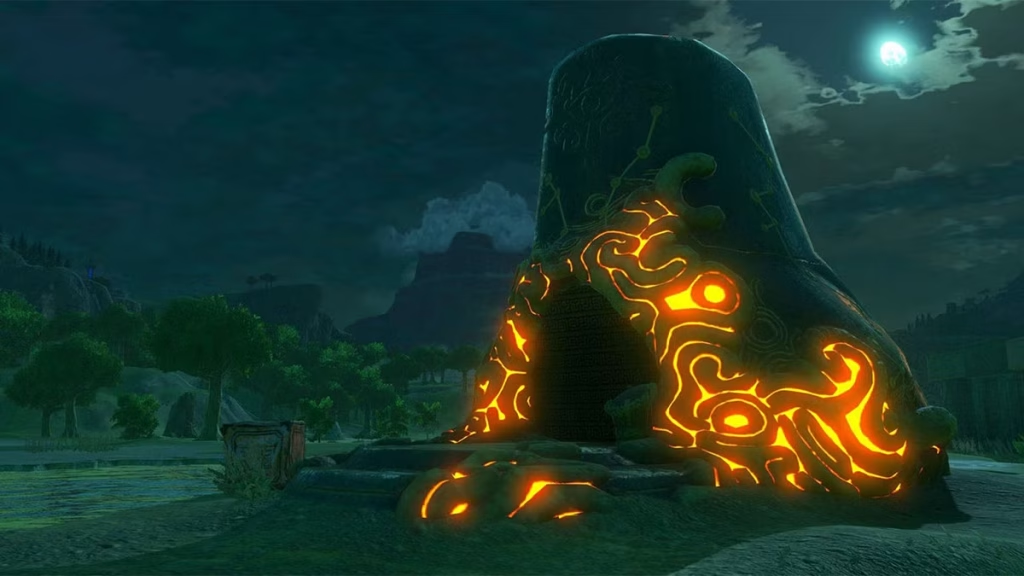
Why Zelda’s Shrines Are Still One of Nintendo’s Smartest Open-World Ideas
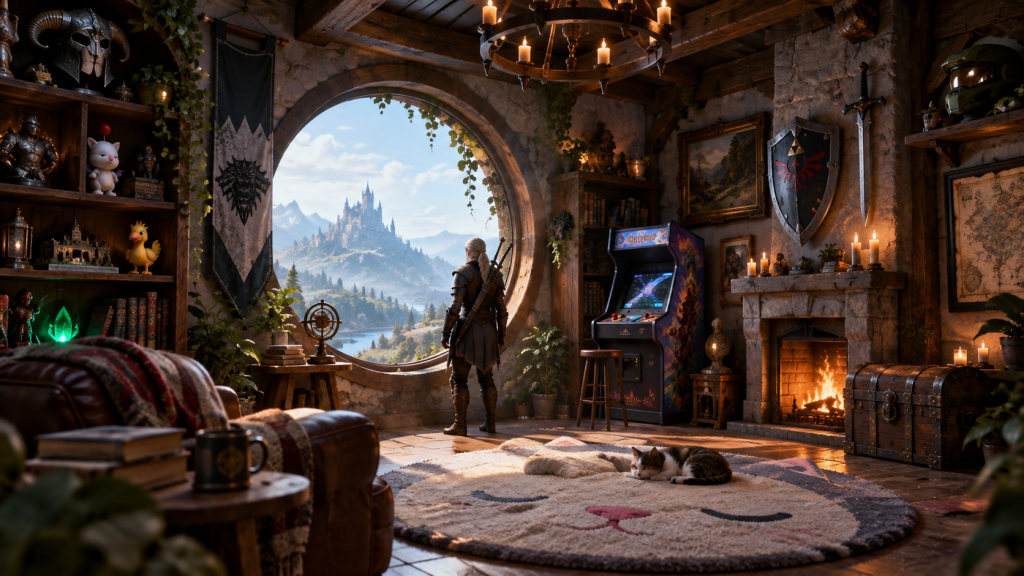
Zelda’s shrines remain one of Nintendo’s smartest open-world ideas — short, optional puzzles that reward exploration without forcing a linear path through the map.
In the conversation
25 results
Zelda’s shrines remain one of Nintendo’s smartest open-world ideas — short, optional puzzles that reward exploration without forcing a linear path through the map.
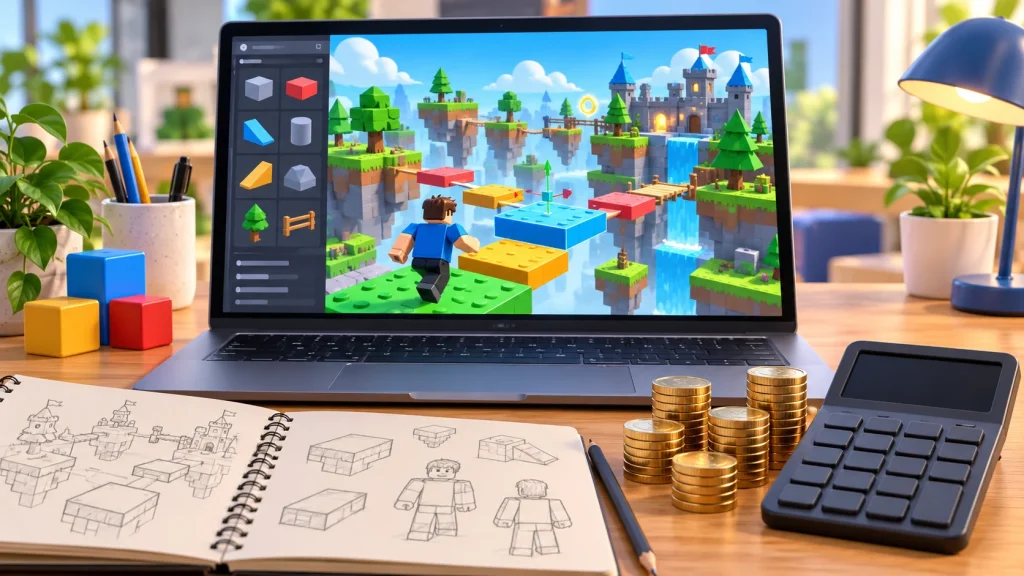
A Roblox game budget starts with what you want players to experience. Turning that idea into a working game means weighing the scope, the…
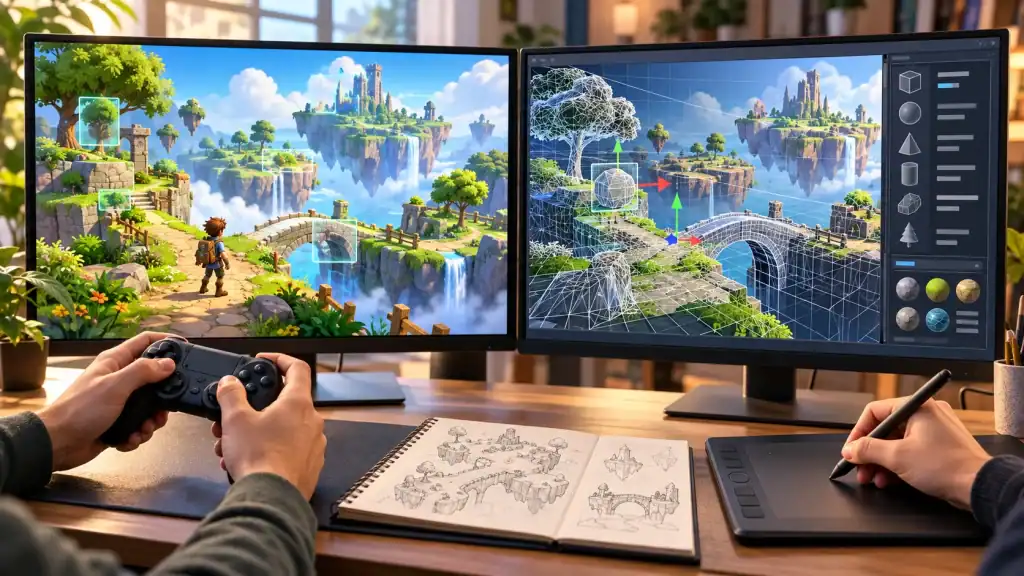
Finding what breaks a game and deciding how it should play involve different kinds of problem-solving. Game testing and game design offer two perspectives…
Not every room in a game needs loot or a quest. Sometimes seemingly pointless spaces are what make virtual worlds feel believable.
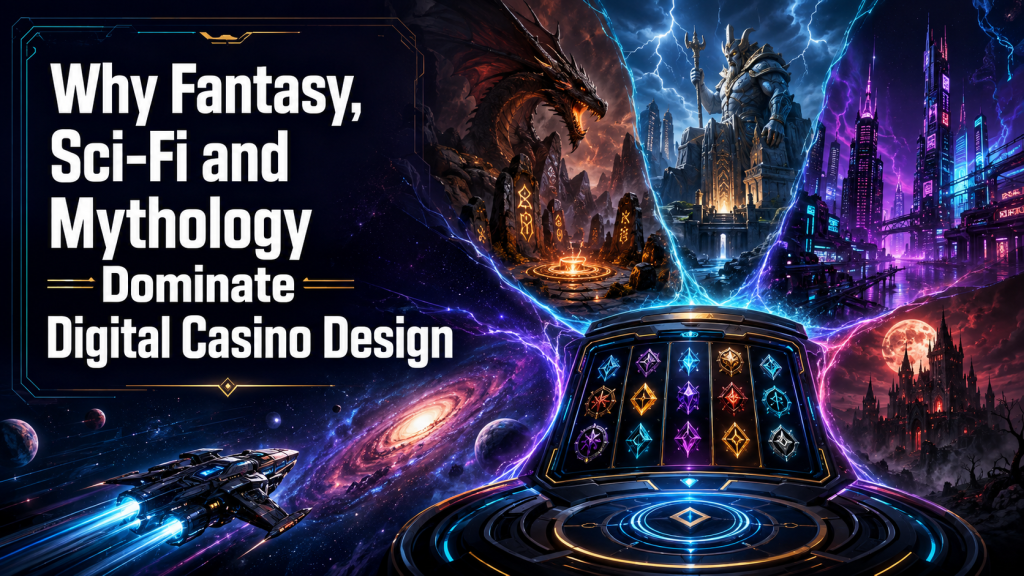
Dragons, Norse gods and cyberpunk rule slot design because myth is public domain and a pantheon is already a paytable. The craft behind the…
Energy systems, timers, and daily rewards are the hidden structure of mobile games, shaping player habits, engagement, and retention.
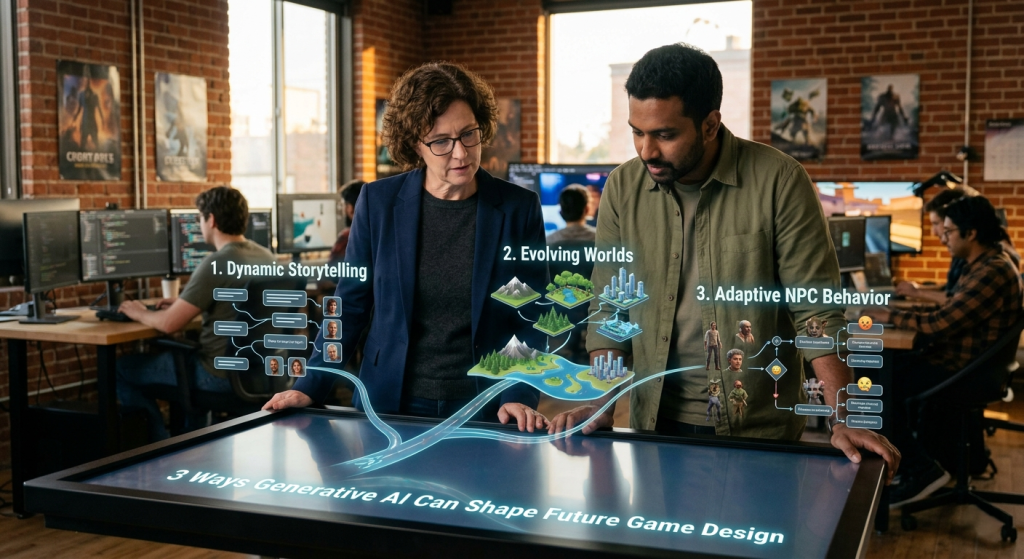
3 ways generative AI can shape future game design by enhancing creativity, procedural worlds, and smarter NPC behaviors.
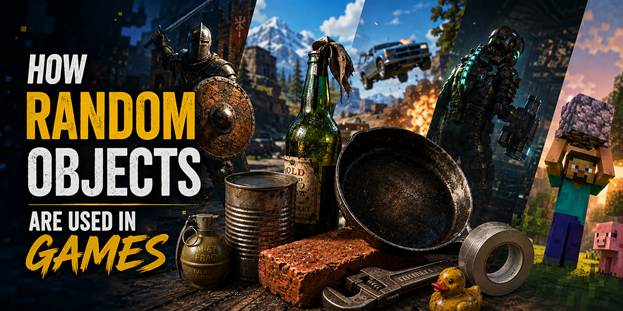
Random objects in games drive creativity, gameplay mechanics, environmental storytelling, and emergent player experiences.
Indie developers are using AI tools to build immersive worlds, branding, and audio experiences faster than ever before.
The gaming industry is expanding fast, with new career paths emerging in design, esports, development, and content creation.